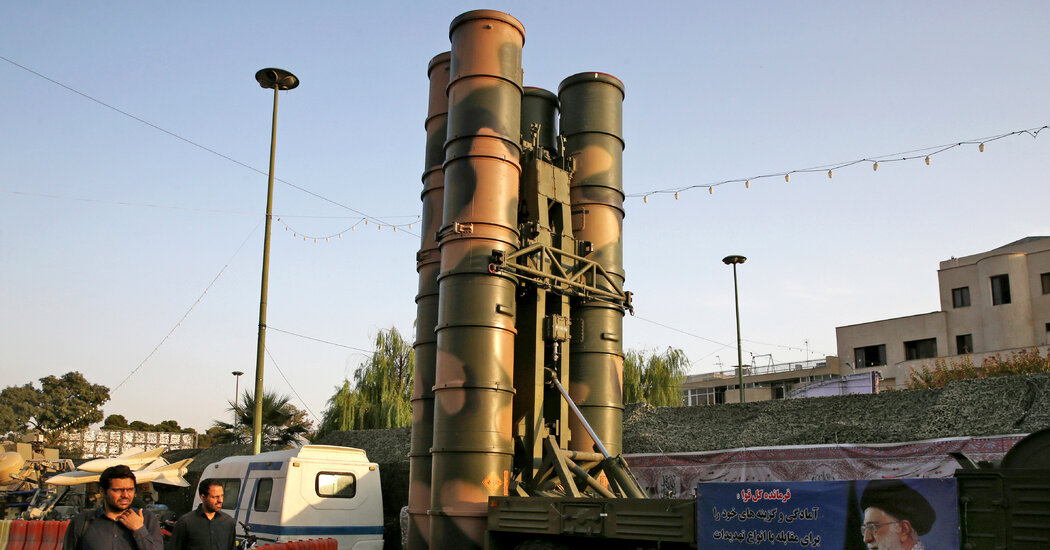
The U.S. Defense Secretary has emphasized that the coming days will be critical in the conflict with Iran, noting that the United States is nearing victory in this context. These statements come at a sensitive time when tensions in the region are escalating, as Iran continues to bolster its military capabilities and expand its influence in the Middle East.
The Secretary's remarks coincide with an increase in Iranian military activities, including missile tests and military operations in various parts of the Middle East. There is also growing concern among Western nations regarding Iran's nuclear program, which is considered one of the most significant security challenges in the region.
Details of the Event
During a press conference, the U.S. Defense Secretary stated that the United States is working to enhance its military presence in the region, and that the coming days will witness strategic moves aimed at countering Iranian threats. He pointed out that cooperation with allies in the region will be key to achieving U.S. objectives.
The Secretary also affirmed that the United States would not hesitate to use military force if necessary, and that it is committed to protecting its interests and those of its allies in the region. These remarks come at a time when U.S.-Iran relations are under severe strain, especially following Washington's withdrawal from the nuclear agreement in 2018.
Background & Context
Historically, U.S.-Iran relations have been tense since the Islamic Revolution in 1979. These relations have witnessed numerous crises, including the hostage-taking of American citizens in Tehran, proxy wars in Iraq and Syria, and mutual threats between the two sides.
In recent years, Iran has increased its military activities, including the development of its nuclear program, raising concerns in the international community. These activities have led to the imposition of strict economic sanctions on Tehran, but they have not prevented it from continuing to develop its military capabilities.
Impact & Consequences
The statements made by the U.S. Defense Secretary indicate a potential escalation in the conflict with Iran, which could lead to increased tensions in the region. Should the United States implement its military plans, this could adversely affect regional security and escalate armed conflicts.
Additionally, these statements may impact relations between the United States and its allies in the region, as some allies may feel apprehensive about military escalation, while others may see it as an opportunity to strengthen security cooperation with Washington.
Regional Significance
Developments in the U.S.-Iran conflict directly affect Arab countries, especially those sharing borders with Iran or suffering from its influence in the region. Any military escalation could destabilize Iraq, Syria, and Lebanon, where Iranian-backed militias are present.
Arab nations may find themselves compelled to take clear stances regarding the escalation, which could lead to new divisions in the region. At the same time, some countries may seek to strengthen their ties with the United States as a means to protect their security interests.
In conclusion, the coming days remain critical in determining the course of the U.S.-Iran conflict, as the international community looks to see how events will unfold in light of these military statements.