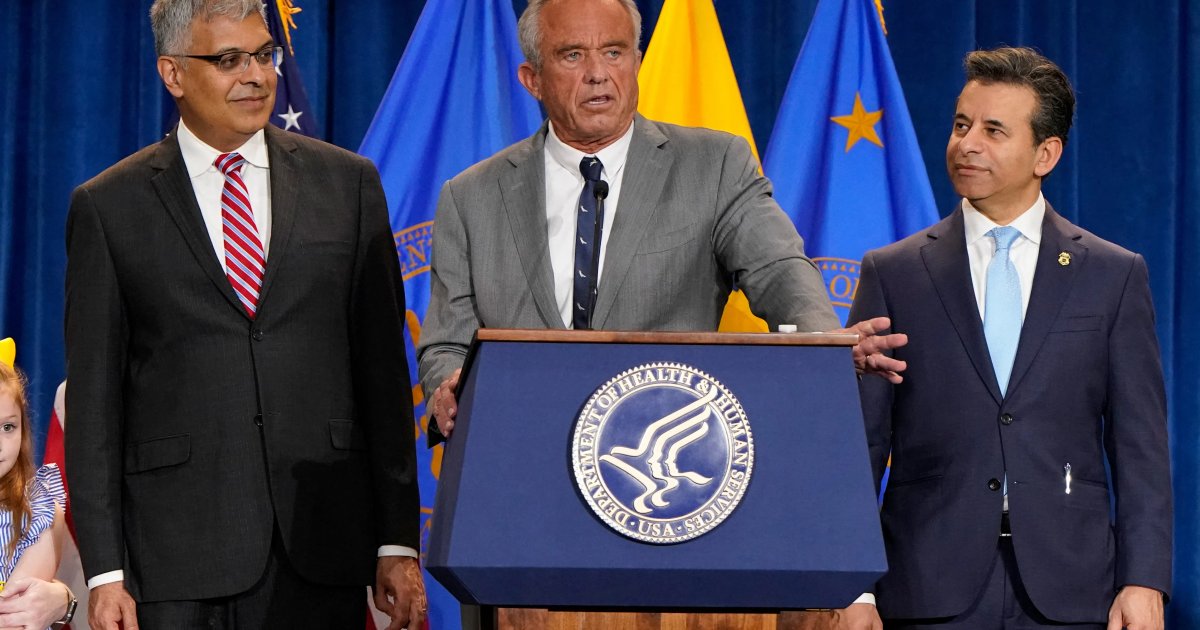
U.S. Defense Secretary Pete Hegseth has requested the resignation of Chief of Staff General Randy George, according to informed sources. This step comes at a sensitive time when the United States is facing multiple military challenges, raising questions about military strategy and senior management within the army.
This action is seen as part of a potential restructuring within U.S. military leadership, as Hegseth aims to enhance the effectiveness of command in the face of increasing global challenges. It is noteworthy that General George has held the position of Chief of Staff for some time and has faced numerous pressures during his tenure.
Details of the Event
According to available information, the request was made as part of Hegseth's efforts to reassess military leadership, especially under current circumstances that require a rapid and effective response. Several factors are believed to be behind this decision, including military performance and the ability to implement new strategies required by security challenges.
It is important to note that Hegseth, who took office as Secretary of Defense earlier, has shown significant interest in enhancing military efficiency, which may be a primary motivation behind this request. This change is considered part of a broader vision to reshape military leadership in the United States.
Background & Context
Historically, the U.S. Department of Defense has witnessed leadership changes in line with military and political challenges. In recent years, the U.S. military has faced multiple challenges, including conflicts in the Middle East and threats from countries like China and Russia. These leadership changes may reflect a response to these challenges.
Furthermore, the relationship between the Department of Defense and military leadership is extremely sensitive, as strategic decisions impact national security. In this context, the request for resignation by the Secretary of Defense is seen as a bold move that could lead to significant changes in how military operations are managed.
Impact & Consequences
This step could lead to changes in U.S. military strategy, as a new commander may be appointed who adopts a different vision. These changes may affect military operations in conflict areas and could lead to a reassessment of military priorities.
Additionally, this decision may provoke reactions within the U.S. military, as some officers may feel concerned about instability in leadership. It is crucial to handle these changes carefully to ensure the continuity of military operations efficiently.
Regional Significance
The United States is a key player in the Arab region, with its forces present in several countries and influencing security policies. Any changes in U.S. military leadership could impact the United States' strategies in the region, including its handling of crises in Syria, Iraq, and Libya.
Moreover, reshaping military leadership may affect relationships with allies in the region, necessitating a reassessment of partnerships and security cooperation. It is important to monitor developments in this context, as any changes could directly impact security and stability in the region.
In conclusion, the request by the U.S. Defense Secretary for the resignation of the Chief of Staff highlights the importance of changes in military leadership amid increasing global challenges. The United States must handle these changes cautiously to ensure the continuity of military effectiveness.