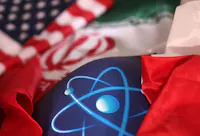
The United States has categorically denied allegations suggesting it might resort to nuclear options in its dealings with Iran. A spokesperson for the U.S. Department of Defense emphasized that these reports do not reflect current U.S. policy, stressing the importance of diplomatic solutions in addressing security challenges in the region.
These statements come at a sensitive time as tensions between Washington and Tehran are escalating, particularly following a series of incidents in the region, including attacks on oil facilities in the Gulf. These events have raised fears of a potential military escalation that could have dire consequences for both regional and international security.
Details of the Incident
Reports indicated that some officials within the U.S. administration had hinted at the possibility of using nuclear options as part of their strategy to pressure Iran. However, the U.S. Department of Defense quickly refuted these claims, clarifying that nuclear options are not part of its current strategy. The spokesperson reiterated that the United States prefers to use diplomacy as a means to resolve disputes.
The spokesperson also noted that the U.S. remains committed to the Iranian nuclear agreement and is seeking to bring Iran back to the negotiating table. This comes at a time when pressures on Iran are increasing due to its nuclear program, which the international community views as a threat to regional security.
Background & Context
Historically, U.S.-Iran relations have been marked by ongoing tensions since the Islamic Revolution in 1979. These tensions have led to the imposition of stringent economic sanctions on Iran, significantly impacting its economy. In recent years, fears have escalated that Iran may seek to develop nuclear weapons, prompting the international community to take stricter actions.
In 2015, the nuclear agreement was reached between Iran and major powers, aimed at curbing Iran's nuclear program in exchange for the easing of sanctions. However, the United States withdrew from the agreement in 2018, leading to a resurgence of tensions.
Impact & Consequences
The recent U.S. statements may alleviate some concerns in the region, but they also raise questions about U.S. intentions. As Iran seeks to bolster its regional influence, any indication from Washington regarding the use of nuclear options could provoke varied reactions from neighboring countries.
Additionally, these statements could affect relations between the United States and its allies in the region, as all parties strive for stability and security. It is crucial for the U.S. to adopt a clear policy that avoids escalation and promotes dialogue.
Regional Significance
The Arab region is one of the most affected areas by the tensions between the United States and Iran. Arab countries, especially those located in the Gulf, are concerned about any military escalation that could impact their security and stability. Any escalation could lead to increased sectarian tensions and divisions within the region.
Moreover, the economic situation in the region could be adversely affected by these tensions, as many Arab countries rely on stable oil prices. Therefore, any military escalation could lead to rising oil prices and impact the global economy.
In conclusion, the U.S. denial of using nuclear options against Iran reflects its desire to avoid escalation; however, the biggest challenge remains how to achieve stability in the region through diplomacy and dialogue.