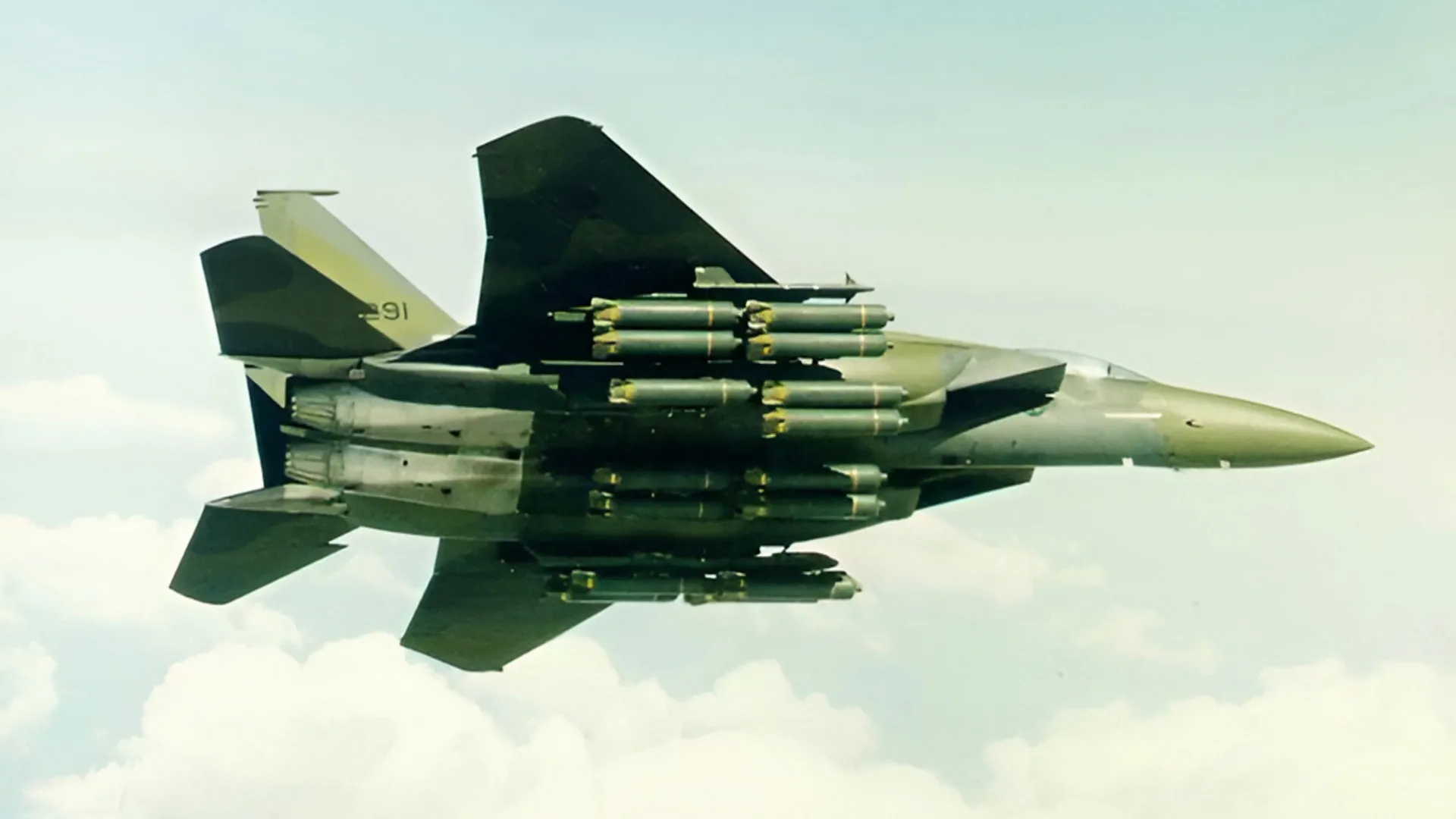
Reports of the United States utilizing rare air mines in the vicinity of Shiraz, southern Iran, have generated significant reactions across social media platforms. Opinions have varied, with some questioning the efficacy of the military operation and others warning of the potential dangers these mines pose to civilians.
The Washington Post published images of land mines discovered near the Iranian city, believed to have been used to hinder ballistic missile launches. Residents from the village of Kafari in Shiraz reported finding these mines and documented their presence.
Details of the Incident
The United States relies on a system of rare air mines, specifically the BLU-91 and BLU-92 types, which are designed to target enemy vehicles and personnel. These mines are equipped with self-destruction features, which, while intended to minimize long-term risks, can inadvertently increase the danger to civilians in the area.
Local authorities and humanitarian organizations have expressed deep concerns regarding the implications of deploying such munitions in populated areas. The use of air mines, particularly in civilian regions, raises significant ethical and legal questions about warfare and the protection of non-combatants.
Background & Context
The recent deployment of these air mines comes amid escalating tensions between the United States and Iran, particularly following a series of military operations in the region. The U.S. government has justified its actions as necessary for national security and to deter Iranian aggression. However, critics argue that these tactics could lead to unintended civilian casualties and further destabilize the region.
Human rights organizations have called for the reactivation of policies that prohibit the use of scatterable mines, emphasizing the need for accountability and the protection of human rights in conflict zones. The international community is closely monitoring the situation, with many urging for diplomatic solutions rather than military interventions.
Impact & Consequences
The immediate impact of the U.S. use of air mines around Shiraz is likely to exacerbate fears among local populations regarding their safety. Reports of civilian encounters with these mines could lead to increased tensions and resentment towards U.S. military actions, potentially fueling anti-American sentiments in the region.
Moreover, the deployment of such weapons may provoke responses from Iranian military forces, heightening the risk of further military confrontations. The situation underscores the delicate balance of power in the region and the potential for escalation into broader conflicts if diplomatic efforts fail.
Regional Significance
This incident highlights the growing tensions between the United States and Iran, indicating the use of unconventional weapons that may affect civilian populations. It also brings to light humanitarian issues related to the use of mines, which can remain a threat long after conflicts have ended.
The ramifications of this military operation extend beyond Shiraz, impacting regional security dynamics and the relationship between the U.S. and Iran. As the situation develops, it will be crucial for international actors to engage in dialogue to mitigate risks and promote peace in the region.