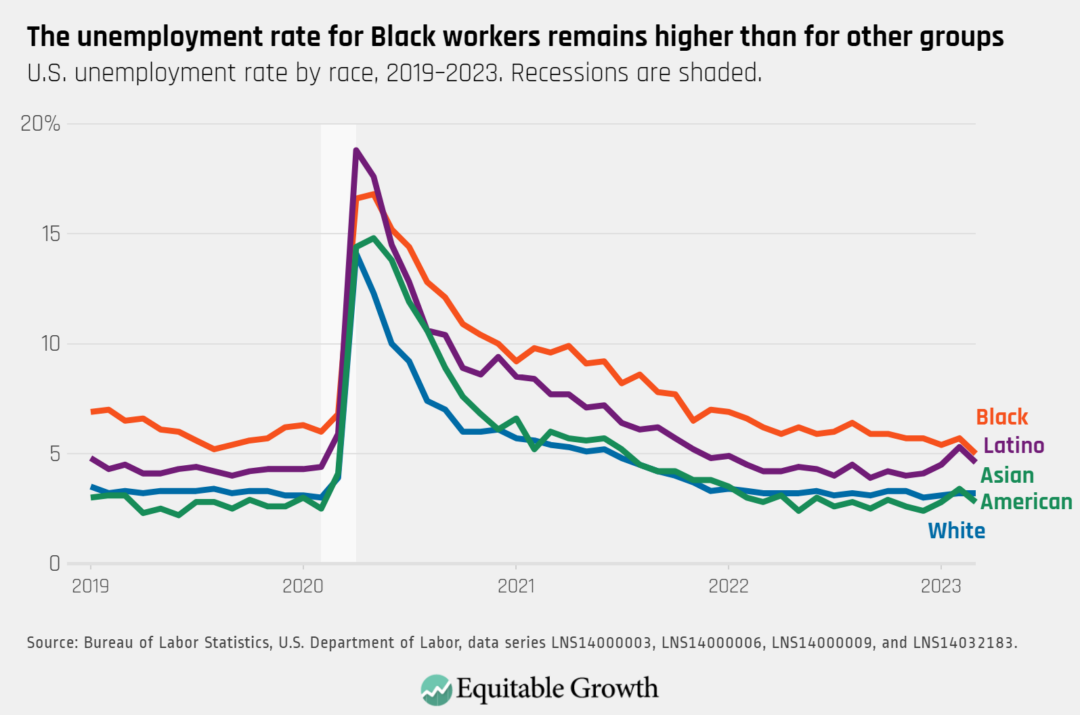
The US economy announced the addition of 178,000 jobs during March, contributing to a decrease in the unemployment rate to 4.3%. Despite these positive figures, economists are approaching these results with caution, as the repercussions of the ongoing war in Iran on the US labor market remain unclear.
This increase in jobs is seen as an indicator of the strength of the US economy, with several sectors experiencing notable growth. However, concerns regarding geopolitical conditions in the region may temper the optimism of economists, who are closely monitoring the impact of these events on the global economy.
Details of the Job Growth
In its latest report, the US Bureau of Labor Statistics indicated that the job growth occurred across multiple sectors, including healthcare, retail, and construction. However, these figures come at a sensitive time, as tensions in the Middle East escalate, potentially affecting the stability of financial markets.
This job growth is viewed as a positive sign of economic recovery following the COVID-19 pandemic, but experts warn that geopolitical crises could hinder this recovery. At the same time, some studies suggest that conditions in Iran could affect oil prices, which may negatively impact the US economy.
Background & Context
Historically, the US economy has experienced significant fluctuations due to geopolitical events. For instance, crises in the Middle East have led to rising oil prices, impacting production costs and market prices. In recent years, there have been multiple attempts to stabilize the labor market, but external crises often disrupt these efforts.
The war in Iran is not new, but the recent escalation of tensions could create uncertainty in the markets. In this context, economists believe that any escalation in the conflict could lead to negative repercussions for economic growth, complicating the US economic landscape further.
Impact & Consequences
The consequences of the war in Iran on the US economy are a complex topic. While increasing tensions may lead to higher oil prices, this could burden consumers and affect spending. Additionally, any disruption in oil supplies could lead to volatility in financial markets, which may reflect on the labor market.
Moreover, the US economy heavily relies on stability in global markets. Therefore, any changes in the geopolitical situation could lead to unexpected effects on economic growth, making it challenging for businesses to plan for the future.
Regional Significance
Arab countries are directly affected by developments in Iran, as Iran is a key player in the region. Any escalation in the conflict could increase tensions in Gulf countries, impacting investments and local economies. Furthermore, rising oil prices due to the conflict may have both positive and negative effects on oil-producing countries in the region.
In conclusion, the situation in Iran remains a significant concern for the US economy and global markets. While some celebrate job growth, caution prevails among economists who are closely monitoring developments in the region.