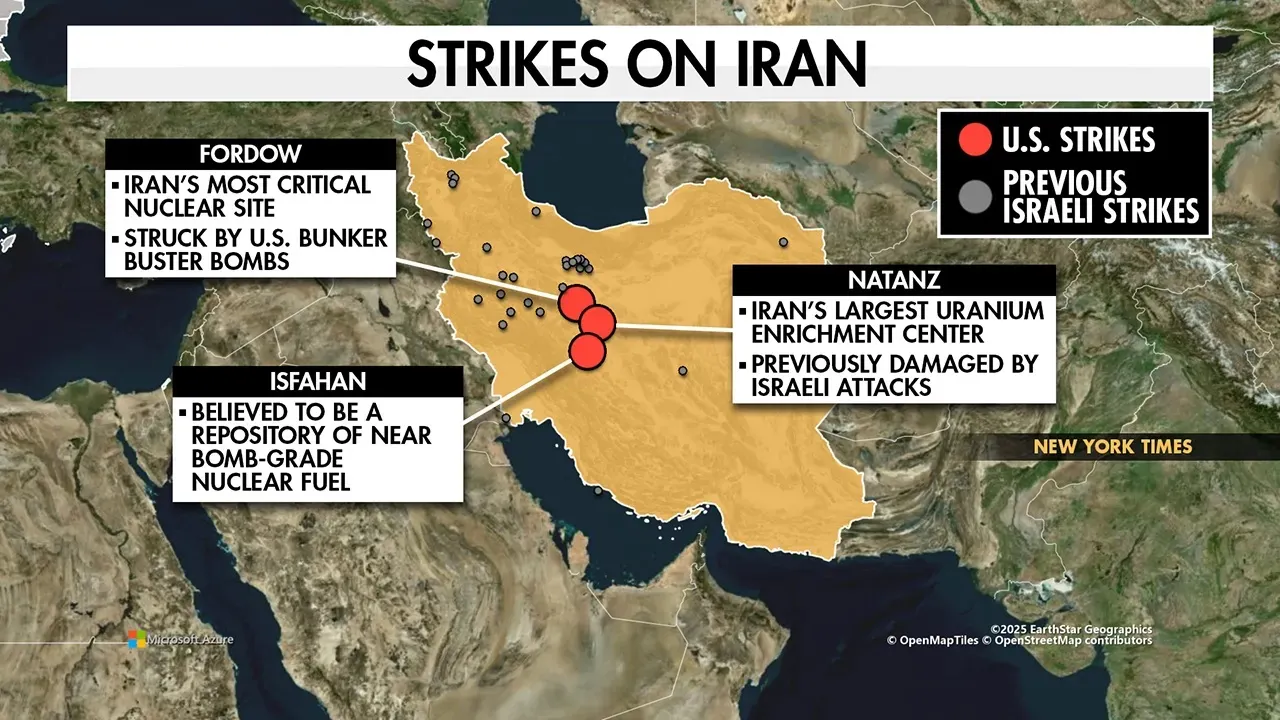
Recent reports indicate that the US economy appears less affected by Iranian threats in the Strait of Hormuz, with data showing market stability despite tensions. This raises questions about the impact of these threats on the global economy.
The Strait of Hormuz is one of the most important maritime passages in the world, through which approximately 20% of the world's total oil supply passes. As tensions between the United States and Iran escalate, there has been growing concern about the potential impact of these tensions on oil supplies and market prices.
Details of the Situation
Recently, the region has witnessed an escalation in Iranian threats, with Tehran conducting military maneuvers in waters near the strait. These actions have raised significant concerns among oil-producing countries; however, economic data suggests that US markets have not been significantly affected.
According to reports, oil prices have remained relatively stable, reflecting the US economy's ability to adapt to geopolitical changes. Additionally, large reserves of oil and natural gas in the United States have contributed to reducing dependence on imports from the region.
Background & Context
Historically, the Strait of Hormuz has experienced numerous crises that have impacted the global economy, from the Gulf War in the 1990s to current tensions. Iran is considered a key player in the region and uses threats to close the strait as a means of pressuring Western countries.
Despite these threats, the United States has taken steps to enhance the security of its energy supplies, including increasing domestic production. This approach has helped mitigate the potential negative impacts of tensions in the region.
Impact & Consequences
If tensions in the region persist, they could lead to an increase in oil prices in the short term, affecting the global economy. However, the United States' ability to maintain market stability may mean that the impact will be limited.
Some analyses predict that prices will remain stable due to sufficient reserves, but in the event of a significant escalation, this scenario could change rapidly. Therefore, monitoring the situation in the Strait of Hormuz will remain crucial for investors and decision-makers.
Regional Significance
Arab oil-producing countries, such as Saudi Arabia and the United Arab Emirates, are among those most affected by tensions in the Strait of Hormuz. Any escalation in the region could impact these countries' revenues and increase economic instability.
At the same time, some countries may benefit from rising oil prices resulting from tensions, potentially boosting their economies. However, reliance on oil as a primary source of revenue remains a concern amid global shifts towards renewable energy.
In conclusion, the US economy remains relatively strong against Iranian threats, but tensions in the Strait of Hormuz continue to be a sensitive issue that requires close monitoring by concerned nations.