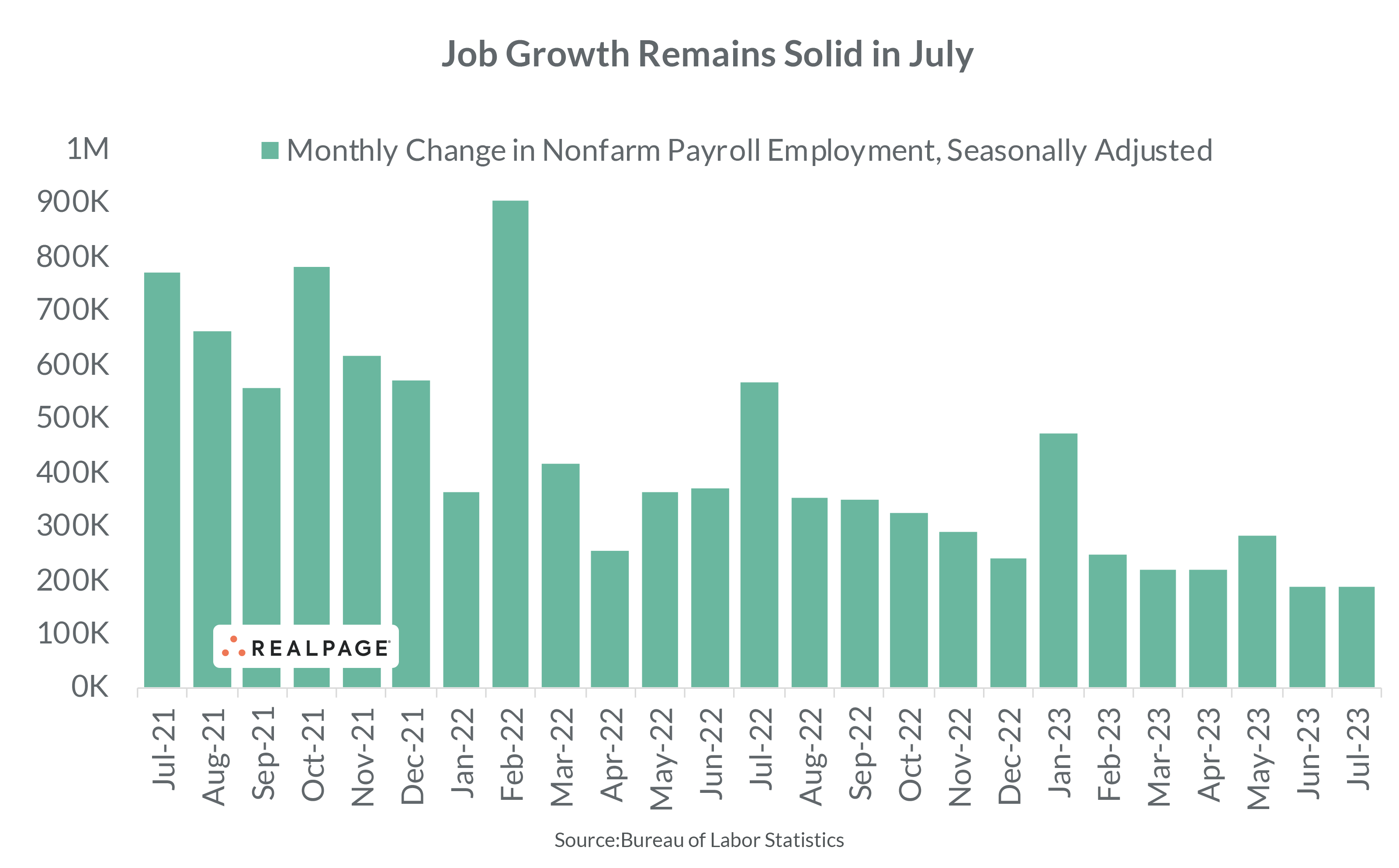
The US economy experienced an unexpected increase in job numbers in March, adding 178,000 jobs, which contributed to lowering the unemployment rate to 4.3%. These figures, announced by the US Department of Labor, came at a time when forecasts indicated a modest increase of no more than 59,000 jobs.
The improvement in the US labor market was primarily driven by the healthcare sector, which added 76,000 jobs in March after experiencing job losses in the previous month due to strikes. The construction sector also saw an increase in job numbers, adding 26,000 jobs, although the department noted that this figure had not changed significantly compared to its level a year ago.
Details of the Event
New data also show a revision of previous figures for January and February, indicating that the number of jobs added in those months was 7,000 jobs lower than previously reported. Despite these positive numbers, concerns remain about the impact of the war in the Middle East on the labor market, with some analysts believing this could lead to weakness in the US job market.
In this context, Nancy Vanden Houten, chief economist at Oxford Economics, noted that "strong job growth does not necessarily mean that concerns about the labor market have dissipated, especially given the current geopolitical tensions."
Background & Context
Historically, the US economy has experienced significant fluctuations in the labor market, with periods of rapid growth followed by periods of recession. In recent years, the labor market has been heavily impacted by immigration policies implemented by President Donald Trump, which have reduced the number of available workers in the market.
Additionally, geopolitical tensions, including the conflict between the US and Iran, have affected oil prices and supply chains, raising concerns about a slowdown in the global economy and its impact on the United States.
Impact & Consequences
These figures are positive for the US administration, as Trump seeks to bolster his economic position ahead of the upcoming elections. However, the continued decline in the number of workers in the government sector, which has decreased by 11.8% since October 2024, indicates that there are ongoing challenges facing the economy.
Analysts warn that the good numbers may mask weaknesses in the labor market, as weak job growth coincides with a decline in labor supply, which is partly attributed to harsh immigration policies.
Regional Significance
Arab countries are directly affected by changes in the US economy, as many nations rely on their exports to the United States. An increase in the unemployment rate or a slowdown in growth in the US could negatively impact demand for goods and services from Arab countries.
Moreover, geopolitical tensions in the Middle East, including the Israeli-Iranian conflict, could affect economic stability in the region, increasing the challenges faced by Arab governments in achieving sustainable economic growth.