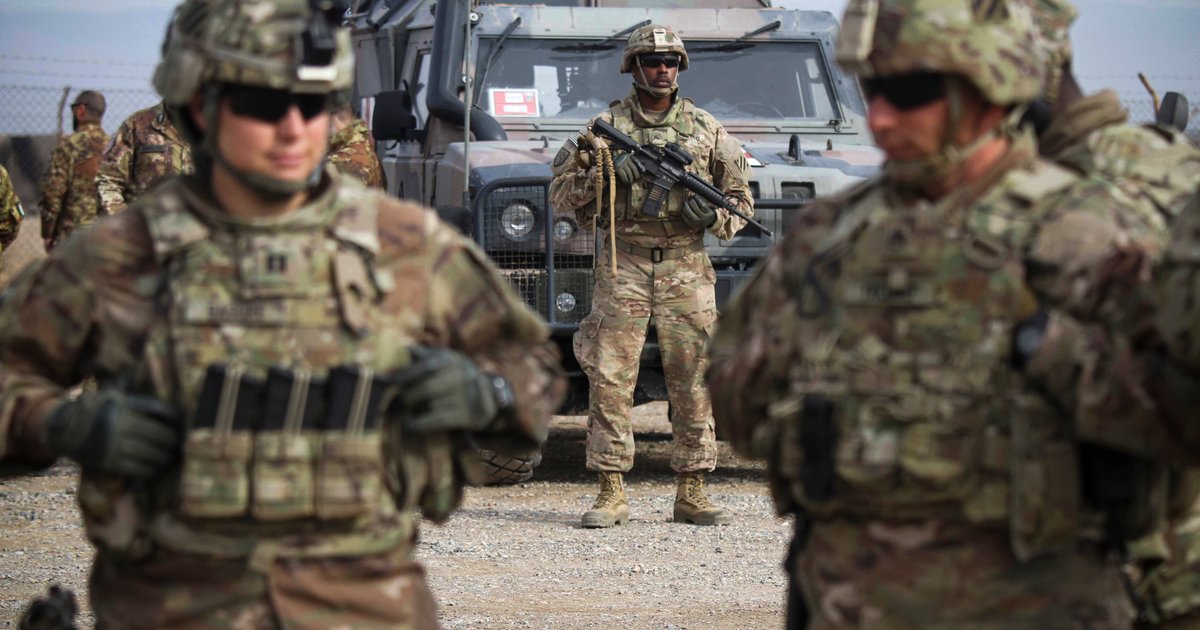
An American military official has stated that the United States is working to end its military presence in Iran, confirming that U.S. forces will leave the country soon. These remarks come as tensions in the region escalate, raising concerns about the implications of this withdrawal on regional stability.
The unnamed official stated, "We are handling things and will be out of here soon," reflecting the U.S. shift towards reducing its military footprint in the Middle East. This statement arrives at a time when there is increasing pressure on the U.S. administration to lessen its military involvement in the region, especially after years of ongoing conflicts.
Details of the Announcement
Reports indicate that the United States has already begun to reduce the number of its forces in Iraq and Syria, which reflects a strategic shift in U.S. policy towards the Middle East. This follows years of American military presence in the region, which has seen numerous military operations against extremist groups such as ISIS.
These statements coincide with rising tensions between the United States and Iran, as both countries exchange accusations regarding support for armed groups in the region. There are also concerns that the withdrawal of U.S. forces could create a security vacuum that Iran might exploit to enhance its influence in Iraq and Syria.
Historical Context and Background
Historically, the United States intervened militarily in the region following the events of September 11, 2001, sending troops to Afghanistan and then to Iraq. Since then, the American military presence has become a part of U.S. policy in the Middle East, but recent years have seen increasing calls for the withdrawal of U.S. forces from the region.
In recent years, U.S.-Iran relations have deteriorated significantly, especially after the U.S. withdrawal from the Iranian nuclear deal in 2018. This withdrawal led to heightened tensions between the two countries, complicating the situation in the region further.
Potential Consequences and Impact
The withdrawal of U.S. forces from Iran could lead to significant changes in the balance of power in the region. Iran is likely to exploit this withdrawal to bolster its influence in Iraq and Syria, potentially leading to an escalation of sectarian conflicts and increased tensions among various factions.
This withdrawal may also affect the relationships between the United States and its allies in the region, such as Saudi Arabia and Israel, who view Iran as a major threat to their security. These allies may be concerned that the withdrawal of U.S. forces will leave them facing the Iranian threat directly.
Impact on the Arab Region
For Arab countries, this withdrawal could have significant implications for security and stability. Iraq, for instance, may witness an increase in Iranian influence, which could exacerbate political and security crises within the country. Gulf states may also be worried that the growing Iranian influence will threaten their stability.
In conclusion, it appears that the United States is moving towards ending its military presence in Iran, which could have major ramifications for regional security. Arab countries must be prepared to face new challenges that may arise as a result of this withdrawal.