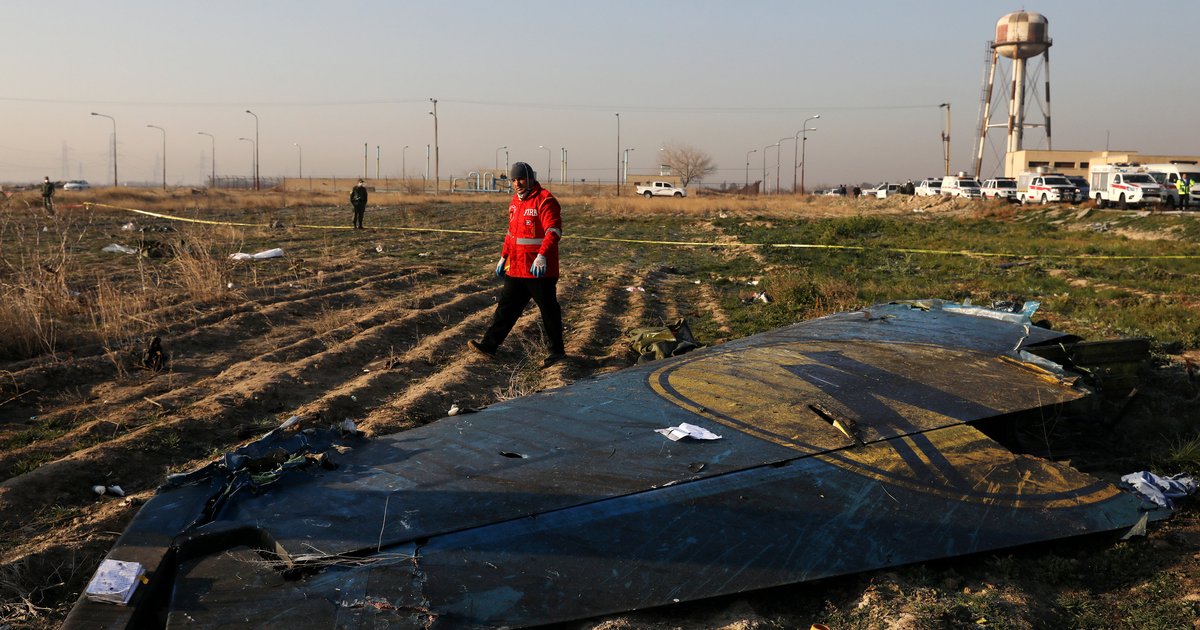
A U.S. F-15 fighter jet crashed on Friday in Iranian airspace, raising significant concerns in Washington regarding the fate of the pilot and the weapons systems officer. This incident comes at a sensitive time as tensions between the United States and Iran are increasing, indicating Iran's ability to defend its airspace despite previous claims of weak air defenses.
President Donald Trump had previously stated that Iran could do "nothing" against U.S. aircraft, while his Secretary of Defense Mark Esper asserted that the United States had achieved "air superiority" over Iran. However, the crash of the F-15 represents a significant blow to Washington, demonstrating that Iran is still capable of defending its skies, even if that capability is limited.
Details of the Incident
According to reports, President Trump's National Security team spent most of Thursday briefing on the search and rescue operation, which also came under Iranian fire. U.S. media reported that the crew sustained injuries but managed to escape from Iranian airspace.
Although President Trump downplayed the incident publicly, concerns are rising in political circles. It is believed that the Iranian Revolutionary Guard has initiated a special search operation for the missing American pilot, utilizing local forces and offering a reward of approximately $66,000 for anyone who can capture him alive.
Background & Context
The history of U.S.-Iran relations is fraught with tensions and crises. In 1979, Iran experienced a hostage crisis when American diplomats were held for 444 days. Following a failed military rescue operation, the United States was forced to lift some sanctions and release Iranian assets worth $8 billion as part of a release deal.
The U.S. history of dealing with hostages shows that successive administrations have taken bold steps, sometimes in controversial ways, to ensure the release of detained American citizens. For instance, in 2014, President Barack Obama exchanged five Taliban detainees for an American soldier, sparking debate over encouraging further hostage-taking.
Impact & Consequences
If the American pilot is captured and used as a bargaining chip, it would present a significant test for Washington amid this tense conflict. President Trump may face increasing pressure to take decisive military action, or this could open the door for indirect efforts to recover the pilot.
Currently, both sides are racing on the ground to locate the missing pilot, heightening tensions further. Some lawmakers in Washington have expressed their support, while others have voiced concerns about the risks facing U.S. forces in this conflict.
Regional Significance
This incident comes at a sensitive time for the Arab region, where fears of military escalation that could impact regional security are rising. The relations between the United States and Iran have direct implications for Arab countries, especially those with U.S. forces stationed within their borders.
Amid discussions of a potential invasion, there is increasing concern over the loss of more American soldiers, which could lead to public backlash against U.S. military intervention in the region. Current events may evoke memories of past wars and raise questions about the future of the U.S. military presence in the Middle East.