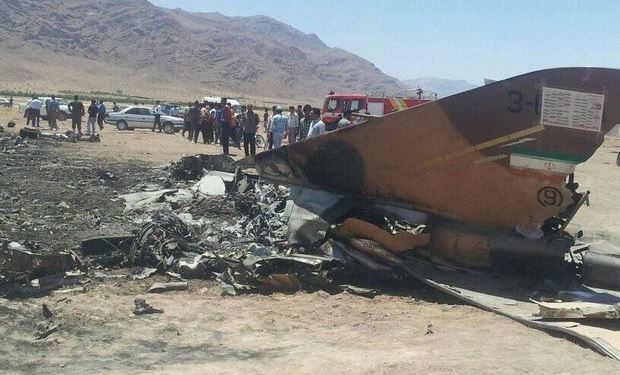
A French newspaper, "Le Monde," reported that the United States is facing a new crisis after a crew member of an F-15E fighter jet was forced to parachute over Iranian territory on Friday evening. This incident follows just two days after former President Donald Trump’s speech, where he asserted that Tehran is on the verge of collapse, raising questions about the U.S. ability to manage the situation in the region.
At the same time, U.S. Secretary of Defense Lloyd Austin finds himself in a precarious position as pressure mounts due to this incident. Reports indicate that the event may lead to dismissals within the U.S. military leadership, reflecting confusion in American military strategy in the Middle East.
Details of the Incident
The incident occurred at a sensitive time, as the United States was attempting to bolster its position in the region following a series of tensions with Iran. The F-15E fighter jet, considered one of the advanced combat aircraft, encountered an emergency situation that led to its crash, prompting one crew member to parachute to safety. So far, precise details regarding the cause of the aircraft's downfall remain unclear, but the incident highlights the risks faced by U.S. forces in the area.
Concerns are growing that this incident could escalate tensions between the United States and Iran, especially in light of Trump's fiery remarks. Additionally, the incident may impact U.S. military operations in the region, where American forces are stationed in Iraq and Syria to counter threats from ISIS and Iran-backed militias.
Background & Context
Historically, relations between the United States and Iran have been tense, particularly following Trump’s withdrawal from the Iranian nuclear deal in 2018. Since then, tensions have escalated, with the U.S. imposing strict economic sanctions on Iran, leading to a deterioration of the economic situation in the country. In response, Iran has bolstered its military capabilities and expanded its influence in the region, complicating matters further.
The recent incident comes at a critical time as the United States seeks to reassess its strategy in the Middle East. After years of conflict, there seems to be an urgent need to reconsider how to address security challenges in the region, especially with the increase in Iranian military activities.
Impact & Consequences
This incident could have significant repercussions for U.S. policy in the Middle East. If it is confirmed that the incident resulted from hostile actions by Iran, it could lead to potential military escalation. Conversely, if the incident is determined to be the result of a technical error, it may raise questions about the efficiency of U.S. military leadership.
Moreover, the incident could affect U.S. relations with its allies in the region, as concerns mount that escalating tensions could lead to a wider conflict. Arab Gulf states, which rely on the United States for their security, may feel anxious about the implications of this incident on regional stability.
Regional Significance
Considering the situation in the Arab region, this incident may increase instability in Gulf countries, where fears of military escalation between the United States and Iran are rising. Arab nations, particularly those hosting U.S. bases, may find themselves in a precarious position if tensions escalate.
Ultimately, the question remains as to how this incident will impact U.S. strategy in the region. Will the United States lean towards military escalation, or will it seek to de-escalate? The coming days may provide answers to these questions.