A former U.S. pilot has revealed his painful experience of captivity after his fighter jet was shot down in Iraq 23 years ago, shedding light on the psychological challenges faced by missing American pilots, especially in light of recent events surrounding the downing of a U.S. aircraft in Iran.
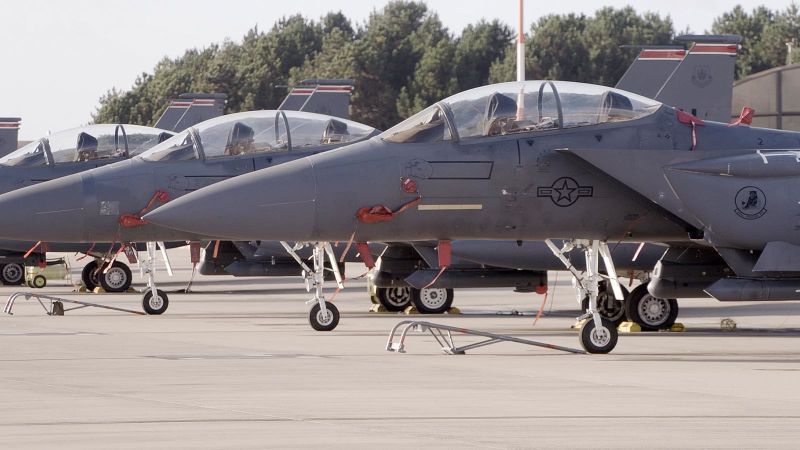
On Friday, the United States announced the downing of a U.S. fighter jet in Iran, prompting a search and rescue operation to locate any survivors. So far, efforts have resulted in the rescue of one crew member, while the fate of the other remains uncertain. This incident marks the first of its kind since the onset of the U.S. war on Iran on February 28.
Details of the Incident
In an interview with The New York Times, former pilot Ronald Young Jr. recalled his memories of his Apache Longbow being shot down during the U.S. invasion of Iraq in 2003. Young, who was just 26 years old at the time, jumped from the helicopter and rushed to find shelter, remembering his feeling of terror under the full moonlight.
Young stated, "Nothing compares to the situation where you are under fire. You can't even comprehend what is happening to you. People are chasing you. They are trying to kill you. And you realize that all you want is to survive." Young and his co-pilot, David Williams, spent about an hour and a half on the ground before being captured by armed militants, remaining prisoners of war for 23 days.
Background & Context
The experiences of American pilots who are shot down in hostile areas are part of a long history of military conflicts. Pilots undergo training on survival, evasion, and resistance principles, which helps them cope with psychological stress and interrogation during captivity. However, what happens after the aircraft is downed is often an existential struggle between instinct and awareness.
In Young's case, he and his co-pilot were beaten and interrogated in dark rooms in Karbala before being transferred to Baghdad under the control of military officials. They eventually managed to survive after an agreement between the U.S. government and their captors, reflecting the significant challenges faced by pilots in such circumstances.
Impact & Consequences
The stories of American pilots who survived captivity illustrate how psychological experiences can affect individuals. After the aircraft is downed, adrenaline levels rise, leading to automatic reactions, as pilots begin to implement what they have learned instinctively. This psychological dynamic highlights the importance of military training in preparing individuals to face such difficult situations.
Currently, the United States continues its efforts to locate the missing pilot in Iran, while Tehran has also begun its own search operations. These events reflect the escalating tensions in the region and highlight the risks faced by military pilots in modern conflicts.
Regional Significance
These incidents are part of the broader conflict in the Middle East, where military and political interests intersect. The downing of military aircraft reflects the increasing tensions between regional and international powers, raising questions about the future stability of the region.
Ultimately, the experiences of American pilots in captivity serve as a lesson in resilience and challenge, underscoring the importance of psychological support and military training in crisis situations. The recent events in Iran remind us that military conflicts continue to pose a threat to regional and international security.