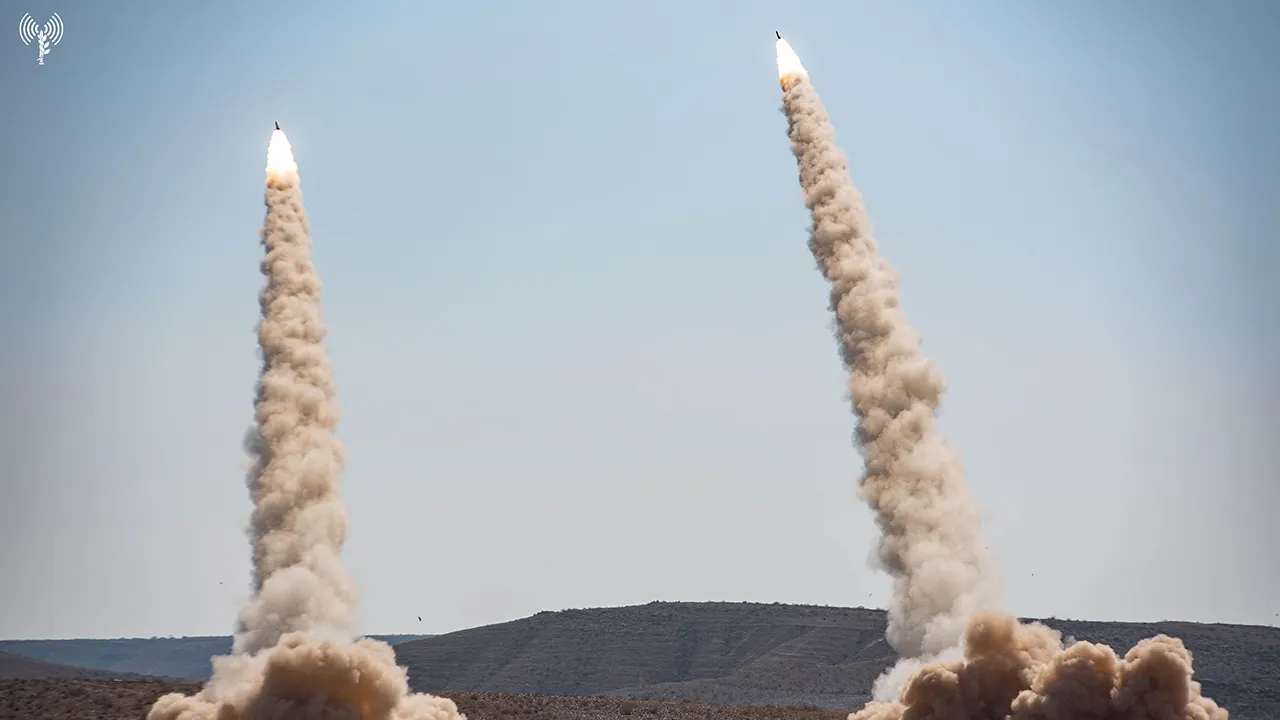
According to the New York Times, based on information from the Pentagon, US forces have bombed approximately 11,000 targets in Iran during five weeks of conflict. This bombing occurs amid a noticeable decline in Iranian missile attacks, raising questions about the impact of these military operations on regional stability.
Reports continue to emerge regarding the military operations conducted by the United States against targets in Iran, indicating that these operations began in the context of escalating tensions between the two countries. This bombing reflects the US strategy in confronting Iranian threats, especially in light of the increasing missile attacks targeting US forces in the region.
Details of the Operations
According to reports, the bombing targeted a variety of objectives, including military facilities and command centers. These operations were executed with high precision, contributing to minimizing civilian casualties. It is believed that these strikes have resulted in the destruction of many Iranian military capabilities, leading to a significant reduction in the missile attacks previously carried out by Tehran.
These developments come at a sensitive time, as fears of escalating conflict in the region are on the rise. US officials have indicated that these operations are part of a broader strategy aimed at deterring Iran from carrying out any future attacks against US forces or their allies.
Background & Context
US-Iranian relations have been increasingly strained since the United States withdrew from the nuclear agreement in 2018. Since then, Washington has imposed strict economic sanctions on Tehran, exacerbating the economic situation in the country. In response, Iran has ramped up its military activities, including the development of its missile program.
These military operations are considered part of the broader conflict between the United States and Iran, which spans several areas, including politics, economics, and security. This military escalation reflects the instability experienced in the Middle East, where regional and international interests intersect in a complex manner.
Impact & Consequences
Analysts expect that these military operations will exacerbate tensions in the region, as Iran may respond to these strikes by increasing its military activities. This escalation could affect regional security, as neighboring countries may find themselves caught in the conflict.
Furthermore, these operations could impact diplomatic relations between the United States and European countries, which are seeking a peaceful resolution to the crisis. These developments may raise concerns about the outbreak of a comprehensive military conflict in the region, which would affect global stability.
Regional Significance
Arab countries neighboring Iran are on high alert, as fears grow that these military operations could escalate the conflict in the region. These developments may impact the national security of Arab states, especially those with ties to the United States.
At the same time, armed groups in the region may exploit these tensions to enhance their activities, further complicating the security situation. Therefore, these events raise significant concerns in political and security circles in Arab countries.
In conclusion, the US bombing of Iranian targets marks a significant shift in the conflict between the two countries and reflects an escalation in regional tensions. Upcoming developments will shape the contours of the conflict in the region, necessitating close monitoring by all concerned parties.