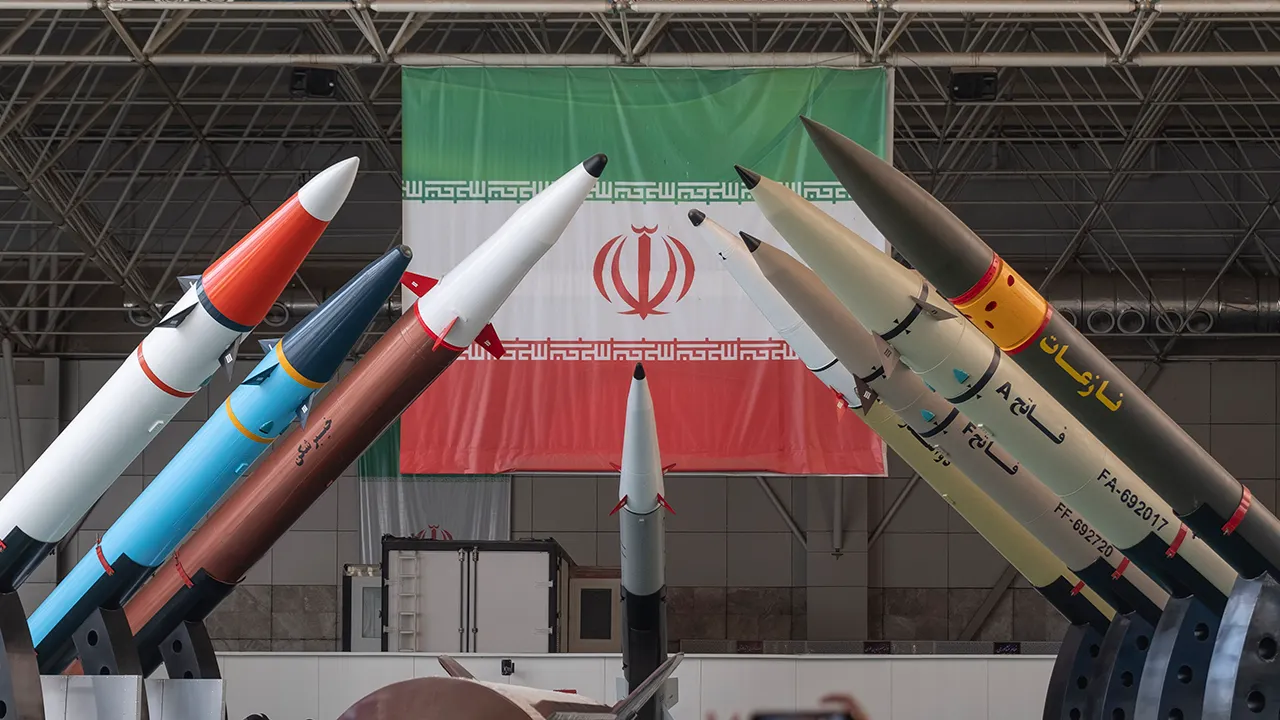
US officials have reported that the Department of Defense (Pentagon) is preparing to initiate "weeks of ground operations" in Iran, a move that reflects a significant escalation in military tensions in the region. This comes at a time when relations between the United States and Iran are increasingly strained, with thousands of American soldiers and Marines being sent to the Middle East.
These movements coincide with escalating crises in the region, as the United States seeks to bolster its military presence in response to potential threats from Iran. This action is considered part of a broader strategy aimed at deterring Iranian activities that Washington views as a threat to regional and international security.
Details of the Operations
According to reports, the Pentagon has prepared comprehensive plans that include the deployment of additional forces in the region, focusing on enhancing military capabilities in Iraq and Syria. This is part of the United States' efforts to contain Iran's growing influence in the Middle East, which many observers consider a threat to US national security.
Information also indicates that the ground operations may include special operations targeting strategic sites in Iran, which could lead to significant military escalation in the region. Military sources have confirmed that these plans are in response to Iranian military activities, including its support for militias in Iraq and Syria.
Background & Context
Historically, US-Iranian relations have seen increasing tensions since the Islamic Revolution in 1979. Since then, the United States has imposed economic and military sanctions on Iran, leading to escalating conflicts in the region. In recent years, Iranian military activities have increased, including the development of its nuclear program, raising concerns in the international community.
In this context, US ground operations in Iran represent an unprecedented step, as the region has not witnessed such military movements in a long time. This escalation reflects the United States' desire to reshape the balance of power in the Middle East, especially in light of challenges posed by other regional powers.
Impact & Consequences
If these ground operations are executed, they could have serious implications for regional and international security. Iran is expected to respond forcefully to any military intervention, which could escalate the conflict to new levels. Additionally, this move may affect US relations with its allies in the region, who may feel concerned about rising tensions.
Moreover, these operations could exacerbate sectarian conflicts in the region, as armed groups may exploit the situation to their advantage. Thus, the potential impact of these operations could extend beyond Iranian borders to include neighboring countries such as Iraq and Syria.
Regional Significance
The US ground operations in Iran pose a threat to Arab security, as they may lead to escalating conflicts in countries like Iraq, Syria, and Lebanon. Some Arab nations may be concerned that rising tensions could have negative repercussions on their internal stability.
These operations could also impact peace efforts in the region, as they may hinder any attempts to reach peaceful solutions to ongoing conflicts. Therefore, Arabs in the region must be prepared to face the challenges that may arise from this military escalation.
In conclusion, US ground operations in Iran appear to represent a turning point in the ongoing conflict, with risks and challenges increasing in the Middle East. As tensions continue, the most pressing question remains: how will these movements affect the future of regional and international relations?