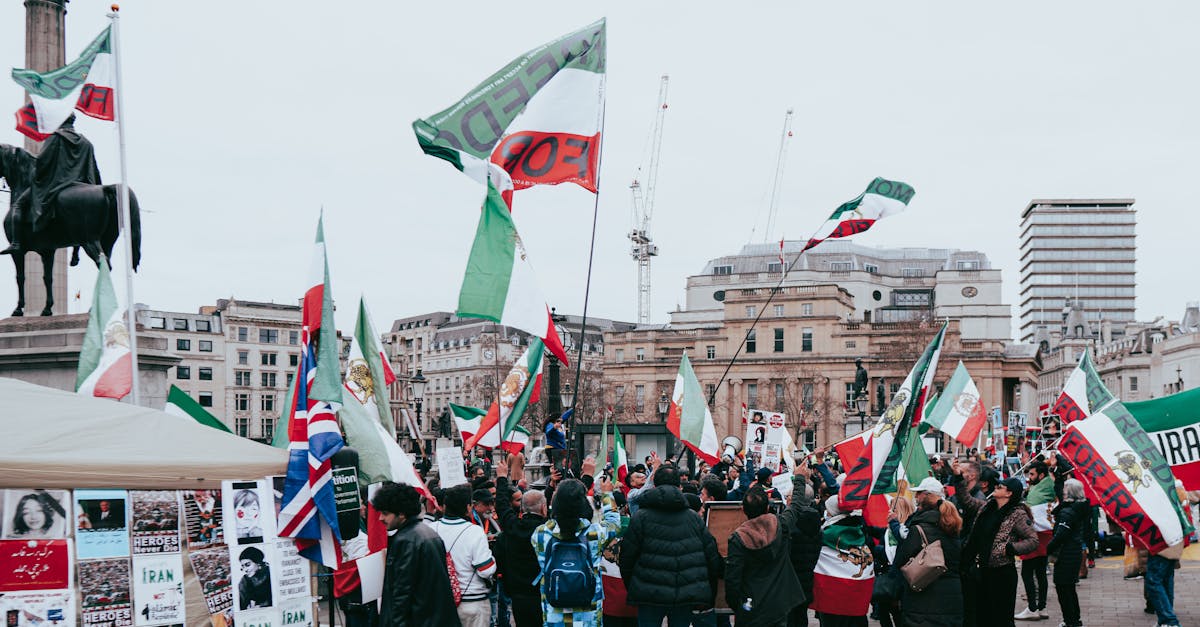
German Chancellor Friedrich Merz stated that the United States is facing humiliation by the Iranian regime, noting that European leaders are increasingly frustrated by the ongoing conflict in the Middle East. These remarks were made during his talk with students in Marburg, where he pointed out that the Iranians demonstrate significant skill in negotiating, or rather in not negotiating, which results in the United States traveling to Islamabad without achieving any tangible results.
Merz added that "a whole nation is being humiliated by the Iranian leadership, especially by what is known as the Revolutionary Guard." These statements come at a time when Merz is facing criticism for his government's inability to bolster the struggling German economy, which has been severely affected by regional conflicts.
Details of the Situation
Concerns are growing among European leaders that the United States may be misjudging the Iranian regime's ability to withstand pressure, raising fears that the conflict could escalate into a permanent war in the Middle East. Merz indicated that conflicts like these are not merely about entering them but also require a strategy for exiting, a painful lesson witnessed in Afghanistan and Iraq.
Merz's concerns resonate with other European officials, as British Prime Minister Keir Starmer expressed worries about being dragged into war. French President Emmanuel Macron and Italian Prime Minister Giorgia Meloni also voiced their reservations regarding the conflict, while German Defense Minister described the situation as a "disaster."
Background & Context
Historically, relations between the United States and Iran have been tense, especially following the U.S. withdrawal from the Iranian nuclear deal in 2018. Since then, tensions have escalated significantly, leading to a series of military and economic conflicts. At the same time, the European Union faces major challenges due to the war in Ukraine, complicating the situation in the Middle East.
The Middle East is a strategic hub for oil and gas, and ongoing conflicts have impacted global energy prices. As the conflict in Iran intensifies, European countries have been forced to seek alternative energy sources, increasing pressure on their economies.
Impact & Consequences
Analyses suggest that the continuation of the conflict in Iran could exacerbate economic crises in Europe, where energy prices have surged significantly. Ursula von der Leyen, President of the European Commission, reported that the EU has paid an additional 25 billion euros (approximately 29.2 billion dollars) for oil and gas imports since the onset of the war in Iran.
Former NATO Secretary General Jens Stoltenberg warned that wars carry significant risks, and escalation remains a possibility as long as peace talks remain stalled. He noted that wars lead to immense humanitarian suffering, in addition to broader economic impacts.
Regional Significance
Developments in Iran directly affect Arab countries, as concerns grow over escalating regional tensions. Iran is a key player in many conflicts in the region, making it essential for Arab nations to be aware of the implications of these conflicts on their security and stability.
In conclusion, the situation in Iran poses a significant challenge not only for the United States and Europe but also for Arab nations striving to maintain their stability and security amid these volatile circumstances.