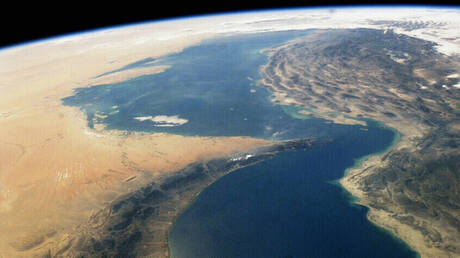
The US Treasury Department has announced the inclusion of the Iranian 'Strait of Hormuz Authority' in its sanctions list, reflecting an escalation in US efforts to limit Iran's influence in the region. This move comes at a sensitive time as the United States continues to strengthen its strategy to pressure Tehran, particularly concerning maritime activities in the Strait of Hormuz.
The Strait of Hormuz Authority is a key entity in regulating ship movements through this vital waterway, which is one of the most important transit points for oil and natural gas. The new sanctions aim to undermine Iran's ability to control these passages, which could significantly impact global trade.
Details of the Sanctions
These sanctions are part of the US policy aimed at countering destabilizing Iranian activities in the region. The Treasury Department has confirmed that this step is intended to prevent Iran from using the Strait of Hormuz as a tool to exert pressure on other countries. The sanctions include asset freezes and prohibitions on dealings with the relevant authority, complicating Tehran's economic situation.
These measures are part of a broader strategy adopted by the US administration to confront Iranian threats, which include supporting armed groups in the region and developing missile programs. The new sanctions follow a series of US military moves in the Gulf, reflecting the increasing tensions between Washington and Tehran.
Background & Context
Historically, the Strait of Hormuz has witnessed recurring tensions between Iran and Western countries, as this waterway is crucial for oil transportation. In recent years, Iran has increased its military activities in the region, leading to heightened tensions with the United States and its allies. The new sanctions come in the context of Washington's attempts to curb these activities, which it views as a threat to regional security.
It is noteworthy that approximately 20% of the world's total oil passes through the Strait of Hormuz, making any threat to freedom of navigation in this area a matter of international significance. The US sanctions aim to ensure that Iran does not use this passage as a means to pressure other nations.
Impact & Consequences
Experts predict that these sanctions may lead to increased tensions in the region, as Iran may seek to respond to these measures in various ways. These sanctions are likely to affect global oil prices, as any escalation in military activities could disrupt shipping movements.
This step may also lead to increased cooperation between Gulf states and the United States, as both parties seek to enhance security in the region. The sanctions could also prompt some countries to reassess their relations with Iran, potentially impacting regional dynamics overall.
Regional Significance
The new US sanctions may have direct effects on Arab countries, especially those that rely on oil. Increased tensions in the Strait of Hormuz could lead to rising oil prices, affecting Arab economies that heavily depend on oil revenues.
Moreover, these sanctions may enhance security cooperation between Arab nations and the United States, as part of joint efforts to address Iranian threats. At the same time, Arab countries must be cautious of the potential repercussions of these policies on regional stability.
In conclusion, the new sanctions on the Strait of Hormuz Authority represent a significant step in the ongoing conflict between the United States and Iran. These measures could lead to substantial changes in regional dynamics, requiring Arab nations to adopt strategic positions to face upcoming challenges.