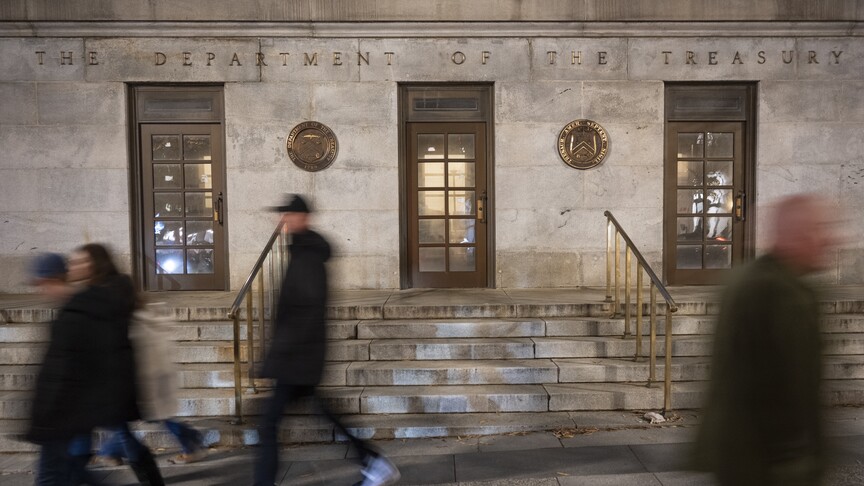
In a new move within the series of US sanctions against Iran, the US Treasury Department has announced sanctions on the Iranian Gulf Corridors Authority. These sanctions come amid accusations of the authority's connections to the Iranian Revolutionary Guard, as well as its imposition of fees on ships transiting through the Strait of Hormuz, a crucial oil shipping point.
This step is part of ongoing US efforts to pressure Iran, especially amid rising tensions in the region. The Treasury Department confirmed that the authority in question uses its power to impose fees on vessels, reflecting illegal behavior that affects international trade movement.
Details of the Event
The new sanctions include freezing the assets owned by the authority in the United States, preventing it from accessing the US financial system. The sanctions also target any individuals or entities dealing with the authority, increasing economic pressure on Tehran.
These measures come at a sensitive time, as the region witnesses an escalation in military activities and tensions between Iran and the United States. Multiple reports have indicated that the authority had imposed fees reaching thousands of dollars on ships crossing the strait, raising concerns among many countries that rely on this vital corridor.
Background & Context
Historically, the Strait of Hormuz is one of the most important waterways in the world, through which approximately 20% of global oil passes. The strait has seen numerous incidents and tensions in recent years, including the detention of ships and military operations by the Iranian Revolutionary Guard.
The roots of the current tensions trace back to the US withdrawal from the Iranian nuclear agreement in 2018, when it reinstated economic sanctions on Tehran. Since then, Iran has sought to enhance its influence in the region, leading to heightened tensions with Western nations.
Impact & Consequences
These sanctions are expected to exacerbate the economic situation in Iran, which is already suffering from a severe economic crisis. They may also affect global trade movement, as any disruption in the Strait of Hormuz could lead to a significant rise in oil prices.
These sanctions also serve as a clear message from the United States to its allies in the region, indicating that Washington will not hesitate to confront Iranian activities that it considers a threat to regional and international security.
Regional Significance
These developments directly impact Arab countries, especially those that rely on oil exports through the Strait of Hormuz. The escalation of tensions may lead to increased military investments in the region, raising the level of tension between Arab nations and Iran.
In conclusion, the situation in the region remains tense, and it seems that the new US sanctions will further complicate the political and economic landscape in the Middle East.