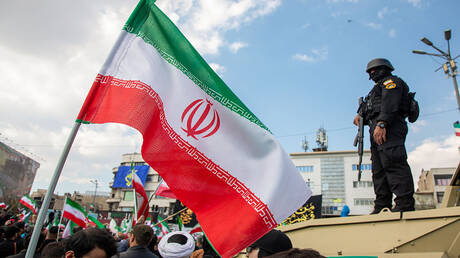
U.S. intelligence assessments have revealed that nearly 50% of Iran's missile launchers are still functioning effectively, while the Iranian arsenal contains thousands of offensive drones, despite the increasing military pressures and daily bombings it faces.
This information comes at a time when tensions in the region are escalating, as the United States and its allies seek to diminish Iran's military capabilities. The assessments suggest that Iran has managed to maintain a significant portion of its military arsenal, raising concerns among neighboring countries and the international community.
Details of the Event
Reports indicate that approximately 50% of Iran's missile launchers remain intact, reflecting Iran's ability to sustain its military strength despite the pressures. Additionally, thousands of offensive drones are still operational, enhancing Iran's capacity to carry out offensive operations in the region.
This information is particularly significant in light of current geopolitical developments, as the United States aims to bolster its military presence in the region to counter Iranian threats. These assessments may also influence the strategies of other countries in the region, including those in the Arabian Gulf.
Background & Context
Historically, Iran has continuously sought to develop its military capabilities, especially following the sanctions imposed due to its nuclear program. This has led to increased investments in missile and drone development, making it one of the prominent military powers in the region.
Over the years, Iran has faced several military attacks from the United States and its allies; however, it has managed to retain a significant portion of its military capabilities. This reflects its strategy in confronting external threats and strengthens its position in any future negotiations regarding its nuclear program.
Impact & Consequences
These assessments confirm that Iran continues to pose a significant threat to regional security, which could lead to heightened tensions in the area. This information is likely to prompt the United States and its allies to take more stringent actions against Iran, including the imposition of new sanctions or the enhancement of military presence in the region.
Furthermore, these developments may affect the relations between Iran and the Gulf Arab states, as these countries may feel the need to bolster their defensive capabilities in response to increasing Iranian threats. Simultaneously, these tensions could exacerbate divisions among Arab states, complicating peace and stability efforts in the region.
Regional Significance
This information serves as a wake-up call for Arab countries, which must reassess their security and military strategies in light of ongoing Iranian threats. This could lead to increased military cooperation among Gulf Arab states, as well as strengthened relations with major powers like the United States.
Ultimately, the challenges facing the Arab region remain significant, as the current situation requires a swift and effective response from Arab nations to address potential threats. A better understanding of Iran's military situation is a crucial step toward achieving security and stability in the region.