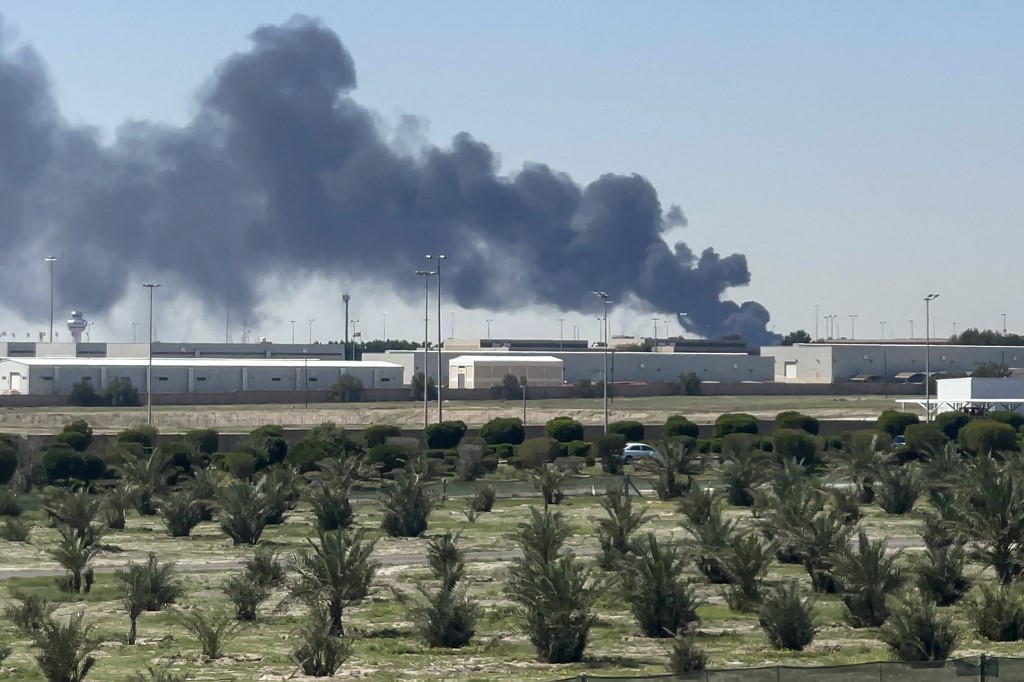
Recent US intelligence reports reveal that Iran still maintains around 50% of its missile launch platforms and thousands of one-way drones, despite the ongoing military pressures it has faced from the United States and Israel. This information contradicts statements made by the US President, which claimed that Iran's military capabilities had been significantly destroyed.
Intelligence assessments indicate that half of Iran's drone capabilities remain intact, and a significant portion of its coastal defense missiles has survived the military campaign. These systems are crucial for Iran's ability to control the Strait of Hormuz, a vital corridor for oil and natural gas transport.
Details of the Event
Leaked intelligence information suggests that Iran has managed to preserve a large part of its military arsenal, raising questions about the effectiveness of the military pressures exerted by the US and its allies. These assessments come at a sensitive time as tensions in the region escalate, and the debate over US military strategy towards Iran continues.
Despite military pressures, it appears that Iran has taken measures to protect its military capabilities, reflecting its ability to adapt to changing circumstances. This information could also impact future military plans of the United States and its allies in the region.
Background & Context
Historically, Iran has always been a focal point of tensions in the Middle East, seeking to enhance its military capabilities to counter external threats. Since the US withdrawal from the nuclear agreement in 2018, tensions between Iran and the United States have escalated, leading to a series of military attacks and responses.
In recent years, Iran has significantly developed its military capabilities, including advancements in drone and missile technology. These developments have made it difficult for the US and its allies to completely destroy these capabilities, as evidenced by recent reports.
Impact & Consequences
This information underscores that military pressures alone may not be sufficient to undermine Iran's military capabilities. This could lead to a reevaluation of US military strategies in the region, as Washington and its allies may need to consider new options to address Iranian threats.
The continued existence of strong Iranian military capabilities could escalate tensions in the region, increasing the risk of new conflicts. This situation requires neighboring Arab states to take proactive steps to protect their national interests.
Regional Significance
For Arab states, the ongoing presence of strong Iranian military capabilities poses a direct threat to regional security. Many Arab countries, including Saudi Arabia and the UAE, are concerned that Iran may use these capabilities to enhance its influence in the region.
Under these circumstances, Arab states may need to bolster their security and military cooperation to counter potential threats from Iran. These developments could also affect regional and international policies, necessitating a reevaluation of existing alliances.
In conclusion, intelligence reports indicate that Iran still retains strong military capabilities, reflecting new challenges for the United States and its allies in the region. This situation requires a strategic response from Arab states to protect their national interests.