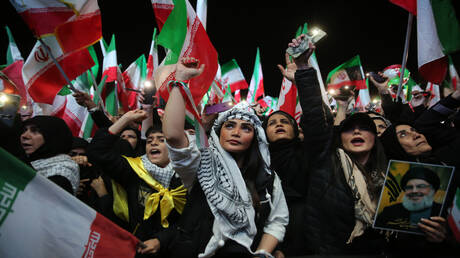
Recent intelligence assessments from several US agencies indicate that the Iranian government shows no willingness to enter into serious negotiations aimed at ending the ongoing conflict with the United States and Israel. This information comes at a sensitive time as President Donald Trump prepares to deliver a speech addressing current security and political issues.
Concerns are rising over escalating tensions in the region, particularly amid mutual statements between Tehran and Washington, complicating the political landscape further. Intelligence sources have confirmed that Iran prefers to continue its current policy rather than engage in talks that may lead to a reduction of its regional influence.
Details of the Situation
These assessments coincide with rising military tensions in the Middle East, where Iran continues to support militias in Iraq, Syria, and Lebanon. Reports have shown that Tehran is focusing on enhancing its military capabilities, reflecting its unwillingness to make concessions in negotiations. The Iranian government believes that negotiating at this time could weaken its strategic position.
In this context, observers expect Trump's upcoming speech to address the challenges the United States faces in dealing with Iran, as well as to outline new strategies to counter Iranian activities in the region. Some US officials have indicated that military and economic pressure on Iran will continue until its policies change.
Background & Context
Historically, relations between Iran and the United States have seen increasing tensions since the Iranian Revolution in 1979, when diplomatic relations between the two countries were severed. Tensions have escalated in recent years, particularly following the US withdrawal from the Iranian nuclear deal in 2018, which led to the imposition of harsh economic sanctions on Tehran.
Iran seeks to enhance its regional influence by supporting armed groups in the area, which many observers consider a threat to regional security. In contrast, the United States and its allies aim to diminish this influence through various strategies, including military and diplomatic sanctions.
Impact & Consequences
These developments may lead to heightened tensions in the region, increasing the likelihood of new conflicts. Iran's unwillingness to negotiate could exacerbate humanitarian crises in neighboring countries, where many nations are affected by ongoing conflicts.
Moreover, continued escalation between Iran and the United States could negatively impact global energy markets, as Iran is one of the largest oil producers in the world. Any military escalation could lead to rising oil prices, which would affect the global economy.
Regional Significance
Arab countries neighboring Iran find themselves in a sensitive position, as any escalation in tensions could affect their security and stability. Countries like Iraq, Syria, and Lebanon may be the most affected, as they host Iran-backed militias.
Additionally, Arab nations are striving to find a balance in their relations with both the United States and Iran, placing them in a difficult position amid these rising tensions. These countries are expected to closely monitor the outcomes of Trump's speech and its implications for the regional situation.
In conclusion, the situation in the Middle East remains complex, with political and military interests deeply intertwined. Iran's unwillingness to negotiate may lead to further escalation, necessitating urgent action from the international community to prevent worsening conditions.