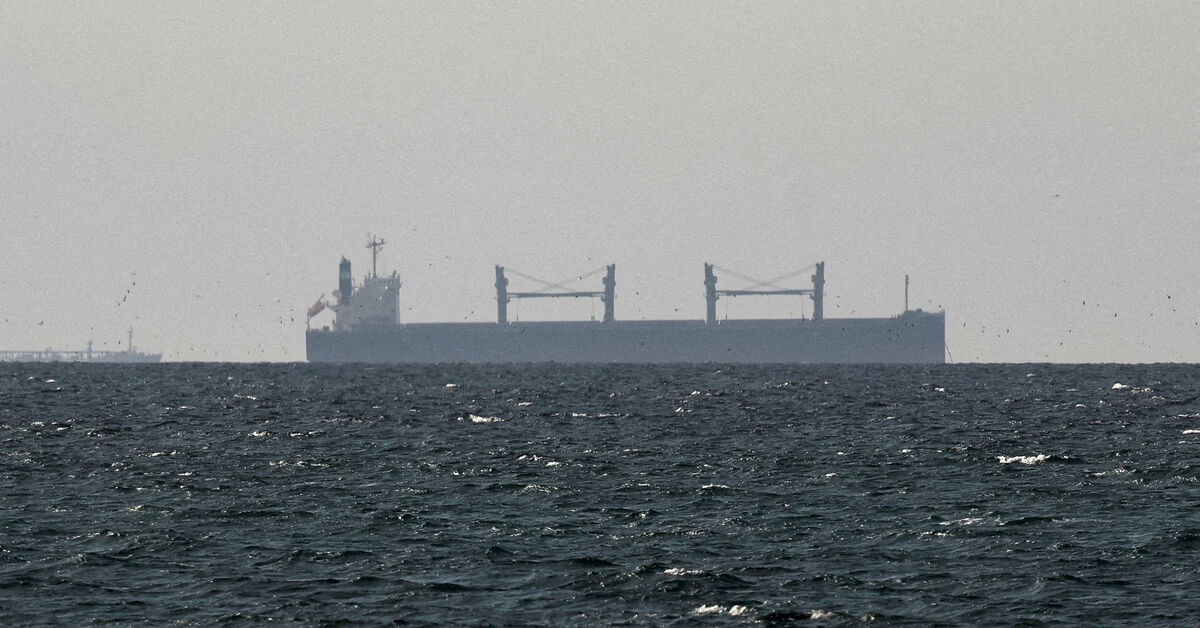
Recent U.S. intelligence reports indicate that Iran is unlikely to loosen its grip on the Strait of Hormuz, one of the world's most important maritime passages, in the near future. These warnings come at a time when tensions between Tehran and Washington are escalating, as this strait is considered a lifeline for global oil transportation.
According to informed sources, Iranian control over the Strait of Hormuz grants it significant leverage against the United States, making it unwilling to make concessions that could weaken its strategic position. The Strait of Hormuz is a vital transit point for approximately 20% of the world's total oil exports, which increases the importance of this passage in the ongoing geopolitical conflict.
Details of the Situation
Reports show that Iran is capitalizing on its current status as an influential power in the region, continuing to bolster its military presence in the Strait of Hormuz. This situation reflects Tehran's strategy of using its energy leverage as a means to pressure its adversaries, particularly the United States and its allies in the region.
Despite international pressures and sanctions imposed on Iran, Tehran still manages to maintain its control over this vital passage. Experts suggest that any attempt by Iran to open the strait could be perceived as an admission of weakness, something the current Iranian government is keen to avoid.
Background & Context
The Strait of Hormuz has been a strategic point for decades, witnessing numerous military and political conflicts. In the 1980s, the strait was the stage for the tanker war between Iran and Iraq, and since then, it has become a major focal point in regional conflicts. In recent years, tensions have heightened due to Iran's nuclear program and the mutual threats between Tehran and Washington.
Historically, the United States has sought to ensure freedom of navigation in this strait, sending warships to the region as part of its strategy to guarantee oil flow. However, the recent escalation in tensions may complicate the U.S. efforts to achieve this goal.
Impact & Consequences
Iranian control over the Strait of Hormuz poses a threat to regional and international security, as any escalation in tensions could lead to rising oil prices and increased instability in global markets. This situation illustrates how Iranian policies can impact the global economy, making it essential for major powers to consider new strategies to engage with Tehran.
Furthermore, Iran's continued tightening of its grip on the strait may provoke reactions from neighboring countries, such as Saudi Arabia and the UAE, increasing tensions in the Gulf region. These dynamics could lead to new alliances or military escalations in the area.
Regional Significance
Events in the Strait of Hormuz directly affect Arab countries, as many of these nations rely on exporting oil through this passage. Any threat to freedom of navigation in the strait could impact the Arab economy as a whole, necessitating greater coordination among Arab states to address security challenges.
The situation in the Strait of Hormuz may also affect relations between Arab countries and Iran, potentially leading to further polarization in the region. It is crucial for Arab nations to adopt effective strategies to tackle this challenge, including enhancing security and economic cooperation.