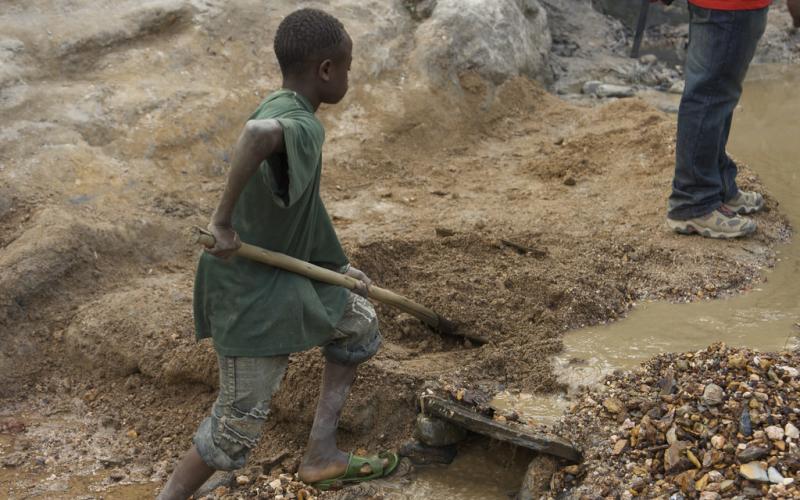
The United States Trade Representative's office has announced the initiation of extensive investigations targeting seven African countries due to the prevalence of forced labor and child labor. This move comes at a sensitive time, as these issues have evolved from mere social or human rights concerns into significant challenges for economic relations between African nations and the United States.
The countries under investigation are those grappling with deep economic and social problems, where forced labor is considered part of the economic fabric in some of these nations. Experts indicate that this phenomenon directly impacts sustainable development and hinders poverty alleviation efforts.
Details of the Investigations
These investigations are part of the United States' commitment to combat forced labor, aiming to enhance international labor standards. The Trade Representative's office noted that this step aims to protect human rights and promote social justice in global trade.
Reports suggest that the United States may impose trade sanctions on countries found involved in these practices, which could lead to significant economic repercussions for those nations. Additionally, these investigations may affect American companies that engage with these countries, increasing pressure on them to adopt more ethical business practices.
Background & Context
Historically, the issues of forced labor and child labor have been prevalent in many African countries, where poverty and lack of education are major contributing factors to the continuation of these practices. Previous studies have shown that millions of children in Africa work under harsh conditions, exposing them to exploitation and limiting their educational opportunities.
In recent years, some African nations have begun taking serious steps to combat these issues; however, challenges remain. These U.S. investigations serve as additional pressure on African governments to improve labor conditions and enhance human rights.
Impact & Consequences
If the investigations confirm the involvement of the targeted countries in forced labor, these nations may face economic sanctions that could impact their exports to the United States. This situation could exacerbate economic conditions in those countries, increasing the suffering of local populations.
Moreover, these investigations could affect the reputation of African countries in the international community, potentially reflecting negatively on foreign investments. In a changing global economy, a country's reputation regarding human rights is a critical factor in attracting investments.
Regional Significance
This issue holds particular importance for the Arab region, as many Arab countries maintain close trade relations with African nations. Should sanctions be imposed on these countries, it could affect Arab-African trade and heighten economic tensions in the region.
Furthermore, these investigations may cast a shadow over Arab nations' efforts to promote human rights, as they will need to review their trade policies with African countries to ensure they are not complicit in unethical practices.
In conclusion, the U.S. investigations into forced labor in Africa represent a turning point in trade relations between the continent and its international partners. Addressing these issues requires collective efforts from all stakeholders to ensure human rights and achieve sustainable development.