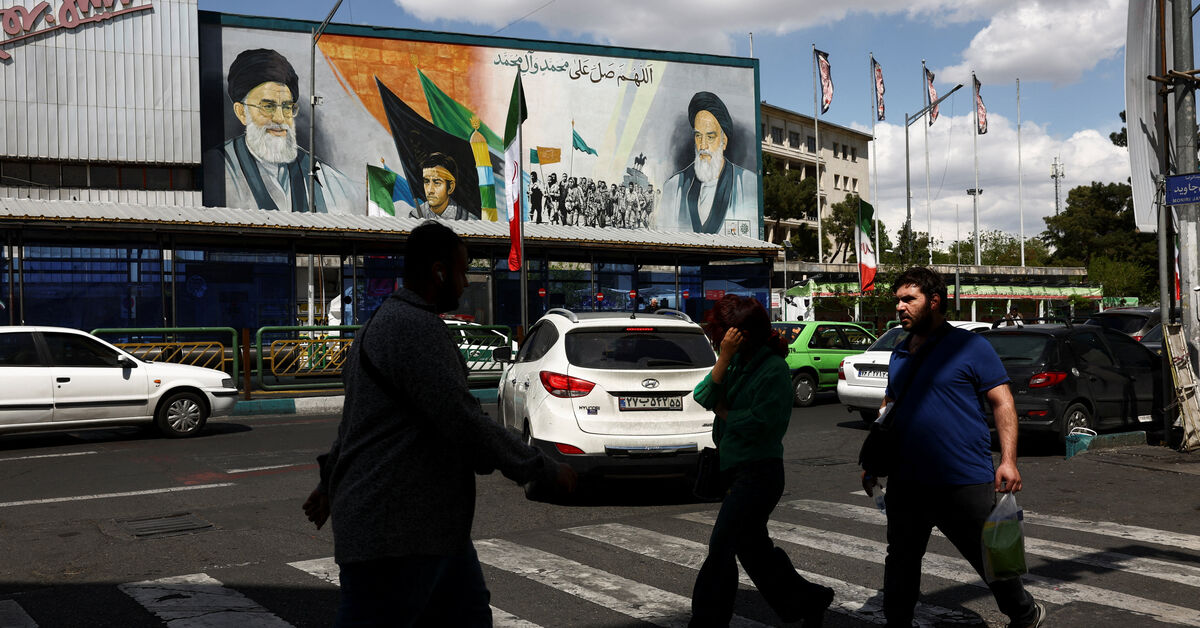
In a move that could help ease regional tensions, the United States, Iran, and Israel have announced a two-week ceasefire agreement, reached through mediation by Pakistan. This announcement comes at a sensitive time, as American and Iranian officials are scheduled to meet next Friday to discuss the prospects of a long-term settlement.
While Tehran and Washington have agreed to hold talks, the gap between their proposals remains significant. Iran has presented a ten-point plan, whereas the United States has proposed a 15-point plan, indicating substantial challenges in reaching a comprehensive agreement.
Details of the Agreement
These developments come amid increasing tensions in the region, with rising concerns over the escalation of conflict between Iran and Israel. Former U.S. President Donald Trump has indicated that the Iranian proposals represent a "practical basis" for negotiations, reflecting Washington's interest in achieving a peaceful resolution.
The Iranian plan includes points related to limiting military activities in the region, while the U.S. plan focuses on issues concerning Iran's nuclear program. This divergence in perspectives highlights the significant challenges faced by the parties in reaching a lasting agreement.
Background & Context
Historically, relations between the United States and Iran have experienced escalating tensions since the Islamic Revolution in 1979. The economic sanctions imposed by Washington on Tehran have exacerbated the situation, making it difficult to reach a settlement. In recent years, the region has witnessed an increase in armed conflicts, further amplifying the need for a ceasefire.
Pakistan is considered a key player in the mediation process, seeking to enhance its role in the region and achieve stability. It has expressed its readiness to provide the necessary support to the involved parties to reach an agreement.
Impact & Consequences
If a permanent agreement is reached, it could lead to improved relations between Iran and the United States, potentially contributing to regional stability. Additionally, the ceasefire may create space for humanitarian efforts and alleviate the suffering of civilians affected by the conflict.
However, the significant gaps between the proposals may mean that reaching a comprehensive agreement will take considerable time. Regional relations could be significantly affected if the parties cannot overcome these obstacles.
Regional Significance
The developments in U.S.-Iranian relations are particularly significant for Arab countries, as they could impact security and stability in the region. Tensions between Iran and Israel could lead to escalated conflicts in countries like Lebanon and Syria.
Moreover, any agreement could contribute to improving economic conditions in the region, potentially opening new avenues for cooperation between Arab states and Iran. Ultimately, hope remains pinned on the success of the current talks to achieve peace and stability in the region.