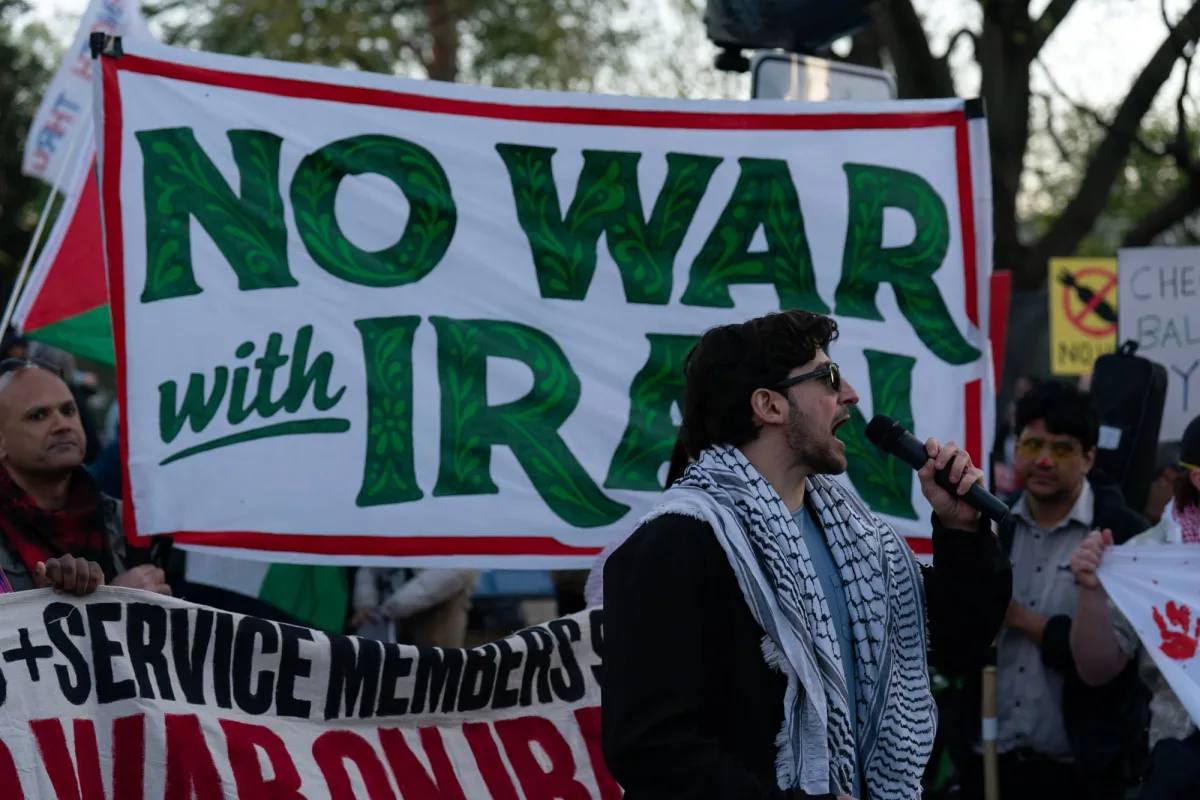
The United States and Iran have announced a two-week ceasefire, which has elicited varied responses from prominent American lawmakers. Some view this announcement not as a true victory, but rather as an attempt to avoid further escalation in the conflict.
In a post on the platform 'X', Democratic Congressman Richard Blumenthal expressed his concerns regarding the ongoing war, which he described as aimless. He emphasized that the ceasefire is not a victory for the American people, pointing out that the most appropriate time to halt the war was before it even began.
Details of the Ceasefire
The announcement of the ceasefire came after intense negotiations, during which President Donald Trump agreed to suspend attacks on Iran, while Tehran will open the Strait of Hormuz, a vital corridor for oil transport. Trump described the agreement as a significant step towards de-escalation.
This development follows a series of military engagements that have heightened tensions in the region, leading to significant casualties and economic repercussions. The ceasefire is seen as a crucial moment, as it may pave the way for diplomatic discussions aimed at resolving the underlying issues.
Background & Context
The conflict between the United States and Iran has been ongoing for years, marked by a series of confrontations and retaliatory strikes. The recent escalation began with the assassination of Iranian General Qassem Soleimani, which prompted Iran to retaliate with missile strikes on US bases in Iraq.
In the wake of these events, both nations have faced increasing pressure from their respective populations to seek a resolution. The announcement of the ceasefire is viewed as a potential turning point, although skepticism remains among lawmakers regarding its effectiveness.
Impact & Consequences
The ceasefire has immediate implications for regional stability and global oil markets. The closure of the Strait of Hormuz had previously led to a spike in oil prices, affecting economies worldwide. With the reopening of this crucial passage, analysts predict a stabilization of oil prices, which could provide relief to global markets.
However, the long-term effects of the ceasefire remain uncertain. Critics argue that without a comprehensive peace agreement, the underlying tensions will persist, potentially leading to future conflicts. The situation remains fluid, and the international community is closely monitoring developments.
Regional Significance
This ceasefire holds significant importance not only for US-Iran relations but also for the broader Middle Eastern geopolitical landscape. Countries in the region are watching closely, as the outcome could influence their own security strategies and alliances.
Israel, for instance, has expressed concerns that the ceasefire does not extend to Lebanon, where Iranian influence remains strong. The dynamics of power in the region are shifting, and the implications of this ceasefire could resonate far beyond the immediate parties involved.
In conclusion, while the announcement of a ceasefire between the United States and Iran is a welcome development, it is essential to approach it with cautious optimism. The complexities of the situation require careful navigation to ensure that this moment leads to lasting peace rather than a temporary pause in hostilities.