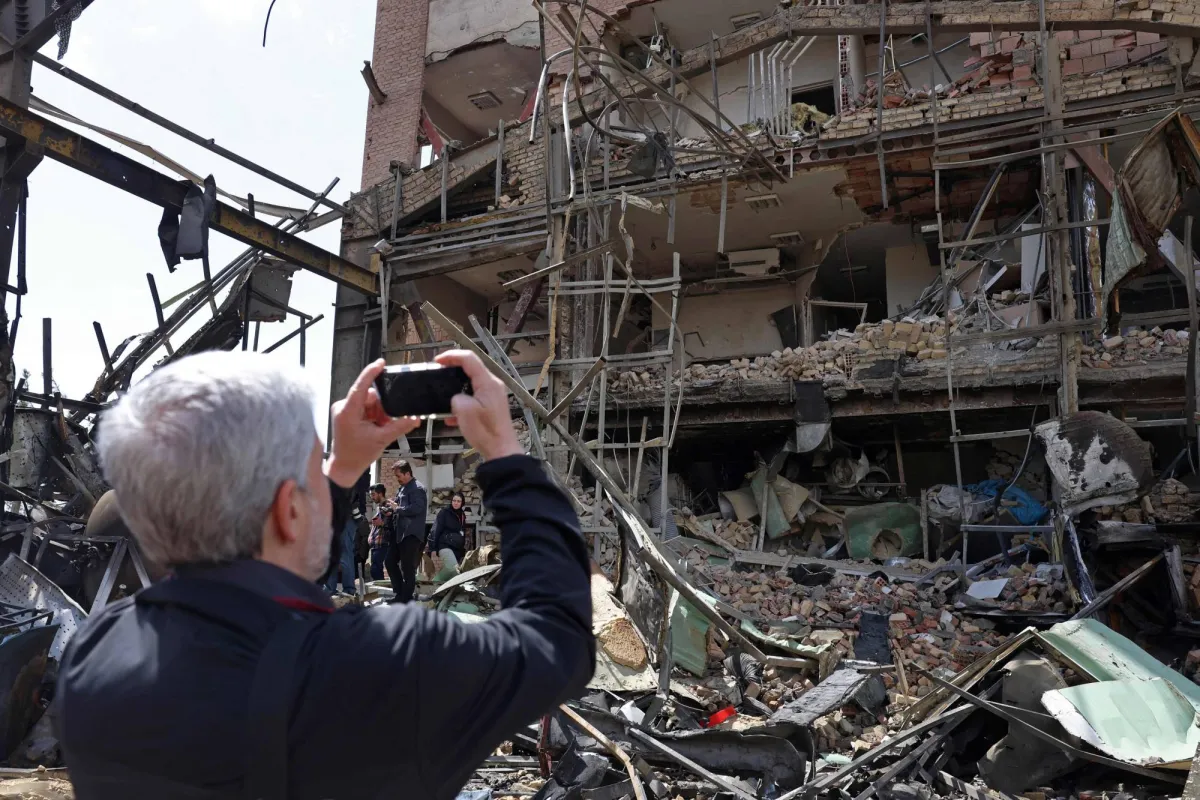
The spotlight is on new efforts aimed at achieving a ceasefire between the United States and Iran, as Axios reported that the involved parties are discussing the possibility of reaching a 45-day ceasefire agreement. This move comes at a time when military tensions in the region are rising, raising questions about the future of the conflict.
According to American, Israeli, and Middle Eastern sources, the first phase of the proposed agreement includes a potential 45-day ceasefire during which negotiations for a permanent end to the war would take place. The report also indicated that the ceasefire period could be extended if more time is needed for negotiations.
Details of the Ceasefire Efforts
In a related context, U.S. President Donald Trump has warned Iran of unprecedented military escalation if it does not open the Strait of Hormuz or reach a swift agreement. Trump has set a deadline that ends on Tuesday evening, suggesting that this could involve extensive strikes on Iranian infrastructure.
In successive statements, Trump emphasized that the U.S. is in a strong position and that the war could end soon if Iran responds, but he cautioned that Tehran could lose all its vital facilities if it does not comply. This escalation follows the rescue operation of an American pilot whose aircraft was downed over Iran, which Trump described as one of the "boldest search and rescue operations."
Background & Context
Concerns are growing that Iran still possesses a large missile arsenal, with Israel estimating that Iran has over 1,000 missiles capable of reaching its territory. Estimates also suggest that Lebanese Hezbollah possesses up to 10,000 short-range missiles, complicating the security situation in the region.
At the same time, indirect talks between the United States and Iran through mediators such as Pakistan, Egypt, and Turkey are ongoing but have yet to achieve any breakthroughs. This situation reflects the complexities of international relations in the region, where political and military interests overlap.
Impact & Consequences
If a ceasefire agreement is reached, it could represent a positive step towards ending the ongoing conflict. However, continued fighting may exacerbate humanitarian conditions in the region and increase civilian suffering. Additionally, any military escalation could negatively impact regional stability.
Pressure on Iran from the international community is increasing, which may push it towards negotiating steps. However, U.S. military threats could escalate tensions rather than calm them, further complicating the situation.
Regional Significance
This situation poses a significant challenge for neighboring Arab countries, as any military escalations could affect security and stability in the region. Furthermore, the continuation of the conflict may lead to negative economic repercussions for Arab nations that rely on trade and navigation through the Strait of Hormuz.
In conclusion, hope remains for the possibility of reaching an agreement that achieves peace and stability in the region, but challenges persist, necessitating ongoing diplomatic efforts from all involved parties.