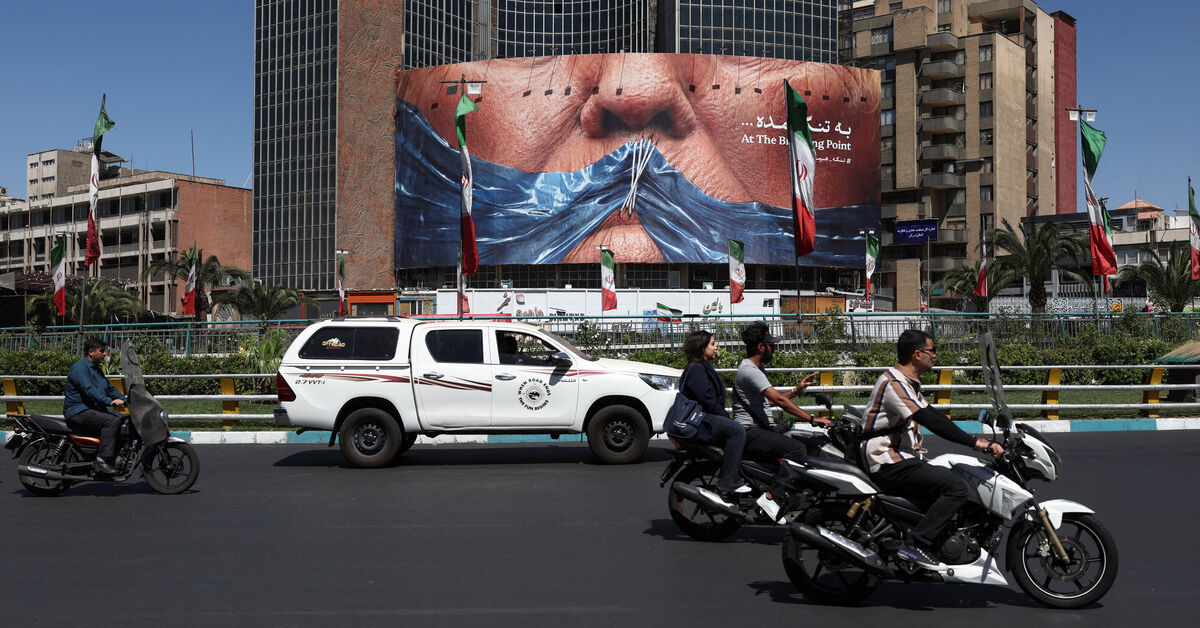
The United States and Iran have reached an agreement on a memorandum to extend the current ceasefire for 60 days, but it requires the approval of President Donald Trump before it can take effect. According to informed sources, this agreement comes at a sensitive time as both parties seek to ease the military tensions that have recently escalated in the region.
This news was first reported by Axios, which noted that the U.S. administration had previously announced several times that an agreement to halt fighting was imminent, but Iran has consistently denied or downplayed these statements.
Details of the Agreement
This agreement emerges during a period of increasing tension in U.S.-Iranian relations, marked by several rounds of military escalation between the two sides. Concerns have been raised about the potential for a full-scale conflict in the region, prompting both parties to explore ways to de-escalate tensions.
Despite the agreement, the fate of the ceasefire remains contingent on Trump's approval, who is facing both domestic and international pressures regarding his policy towards Iran. His stance could significantly impact the future of relations between the two countries.
Background & Context
Historically, U.S.-Iranian relations have experienced significant fluctuations, with periods of cooperation followed by conflict. Since the U.S. withdrawal from the Iranian nuclear deal in 2018, tensions have escalated markedly, leading to the imposition of severe economic sanctions on Iran.
This ceasefire represents an attempt by both sides to avoid military escalation that could lead to catastrophic outcomes in the region, especially given the presence of other regional and international powers with overlapping interests in the conflict.
Impact & Consequences
If the ceasefire extension is approved, it could lead to a reduction in tensions in the region, allowing for diplomatic efforts to find long-term solutions. However, Trump's disapproval could bring matters back to square one, increasing the likelihood of military escalation.
These developments are significant not only for the United States and Iran but also for neighboring countries that are suffering from the repercussions of the conflict, as any escalation could affect regional stability.
Regional Significance
U.S.-Iranian relations directly impact security and stability in the Arab region. Many Arab countries, such as Saudi Arabia and the UAE, are closely monitoring these developments, as any escalation could affect their interests and national security.
Should a permanent agreement be reached, it could lead to improved relations between Iran and Arab states, opening the door for new opportunities for cooperation in various fields.
In conclusion, reaching an agreement to extend the ceasefire represents an important step towards reducing tensions, but the fate of this agreement hangs on Trump's approval, complicating the situation in the region further.