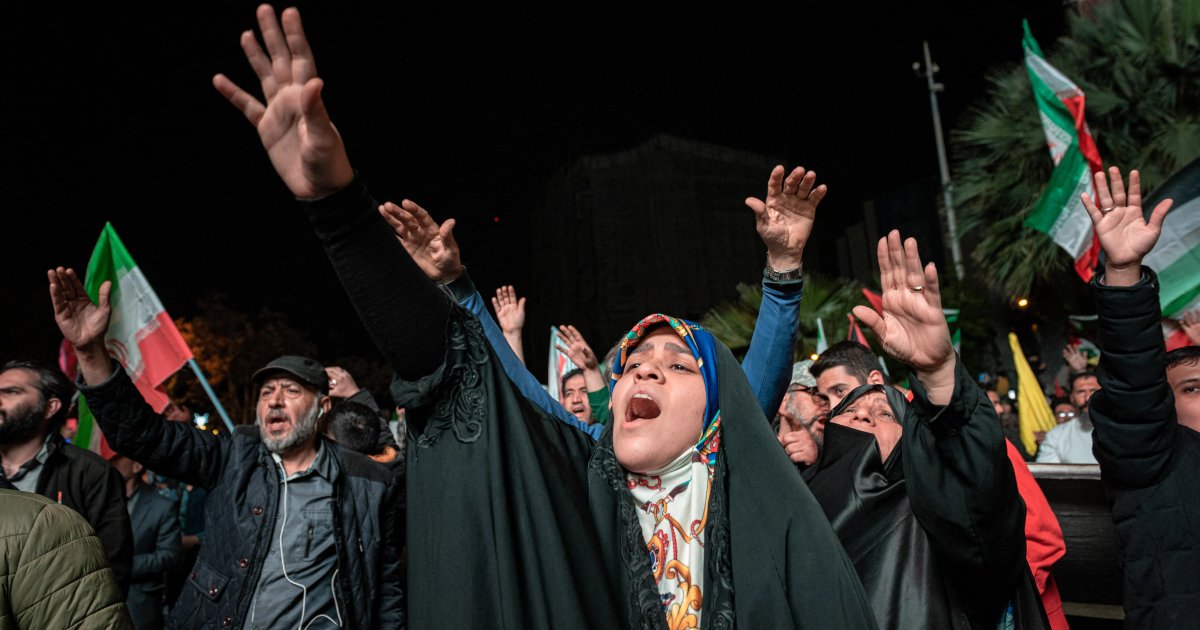
In a move that could be seen as a glimmer of hope for peace in the Middle East, the United States and Iran have announced a two-week ceasefire. This ceasefire aims to stop the US-Israeli military campaign in exchange for reopening the Strait of Hormuz, which is considered a vital artery for global trade.
These developments come at a time when the region is witnessing an escalation in tensions, as the US military campaign has targeted Iranian sites in Iraq and Syria. Mona Yacoubian, director of the Middle East program at the Stimson Center, confirmed that this ceasefire represents an opportunity for both sides to reassess their strategies.
Details of the Ceasefire
The newly announced ceasefire follows weeks of military escalation between the United States and Iran. Observers have noted that this step could contribute to easing tensions in the region. Additionally, reopening the Strait of Hormuz may reactivate maritime trade, which has been severely affected by previous crises.
Talks between the two sides are expected to take place during the ceasefire period, as negotiators hope to reach a comprehensive agreement that ends the ongoing disputes. Several Arab countries have shown significant interest in the developments surrounding this ceasefire, as the region is part of their strategic interests.
Background & Context
Historically, the Strait of Hormuz has been the scene of numerous military conflicts, as it is a key transit point for oil and gas transportation. In recent years, tensions between the United States and Iran have escalated, especially following Washington's withdrawal from the Iranian nuclear deal in 2018. This withdrawal led to the imposition of severe economic sanctions on Iran, further heightening tensions.
In recent years, Iran has attempted to bolster its influence in the region by supporting armed groups in Iraq, Syria, and Lebanon, raising concerns among neighboring countries and the United States. However, the current ceasefire could be seen as an opportunity to rebuild trust among the involved parties.
Impact & Consequences
The ceasefire may have positive effects on both regional and international levels. Reopening the Strait of Hormuz could contribute to stabilizing oil prices, which have experienced significant fluctuations due to previous conflicts. Furthermore, this step may encourage the resumption of dialogue between Iran and Western countries, potentially leading to a reduction in sanctions imposed on Tehran.
Moreover, this ceasefire could be viewed as a test of both parties' seriousness in achieving peace. If the ceasefire succeeds, it may encourage further agreements in the future, enhancing regional stability.
Regional Significance
For Arab countries, this ceasefire represents an opportunity to alleviate tensions in the region. Many Arab nations rely on the stability of the Strait of Hormuz to secure their energy supplies. Additionally, the success of this ceasefire could strengthen the position of Arab countries in future negotiations with Iran.
In conclusion, the US-Iran ceasefire is a positive step towards achieving peace in the Middle East. However, the question remains regarding both parties' ability to adhere to the terms of this ceasefire and whether it will lead to broader agreements in the future.