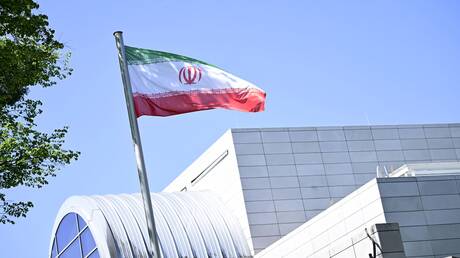
The United States and Iran, in collaboration with international mediators, are striving to reach a potential ceasefire agreement lasting for 45 days. These negotiations are taking place at a sensitive time, as tensions in the region are escalating, making the hope for peace more urgent.
These negotiations are based on reports from the American Axios website, which indicated that there are concerted efforts by the involved parties to explore the terms of this agreement. This includes discussions on how to implement the ceasefire and its potential impacts on the ongoing conflict.
Details of the Negotiation
The current negotiations encompass a set of key points that the parties aim to agree upon, including monitoring mechanisms and ensuring compliance with the ceasefire. Humanitarian issues concerning civilians affected by the conflict are also being addressed.
This step follows a series of military escalations between Iran and the United States, which have exacerbated conditions in the region. Some neighboring countries have expressed concern over the implications of these escalations on regional security.
Background & Context
Historically, relations between the United States and Iran have been marked by ongoing tensions since the Iranian Revolution in 1979. Economic sanctions and military threats have worsened the situation, making it difficult to reach peaceful solutions.
In recent years, several countries, including European nations, have attempted to play a mediating role in this conflict. However, these efforts have not achieved significant success, making the current negotiations a new opportunity for reaching an agreement.
Impact & Consequences
If a ceasefire agreement is reached, it could lead to a de-escalation of tensions in the region, allowing for humanitarian efforts and alleviating civilian suffering. This agreement could also open the door for broader discussions on outstanding issues between the two parties.
However, failure to adhere to the agreement by either party could lead to renewed escalation, bringing matters back to square one. Therefore, international monitoring will be essential to ensure the success of this agreement.
Regional Significance
Developments in US-Iranian relations are of significant importance to Arab countries, as any escalation or de-escalation in these relations directly affects security and stability in the region. Neighboring countries, such as Iraq and Syria, may experience direct repercussions as a result of these negotiations.
Moreover, the success of the negotiations could encourage peace efforts in other parts of the Middle East, contributing to greater stability in the region.
In conclusion, the ongoing negotiations between the United States and Iran represent a new opportunity for peace in a region suffering from ongoing conflicts. It remains to be seen whether these efforts will bear fruit and lead to positive outcomes.