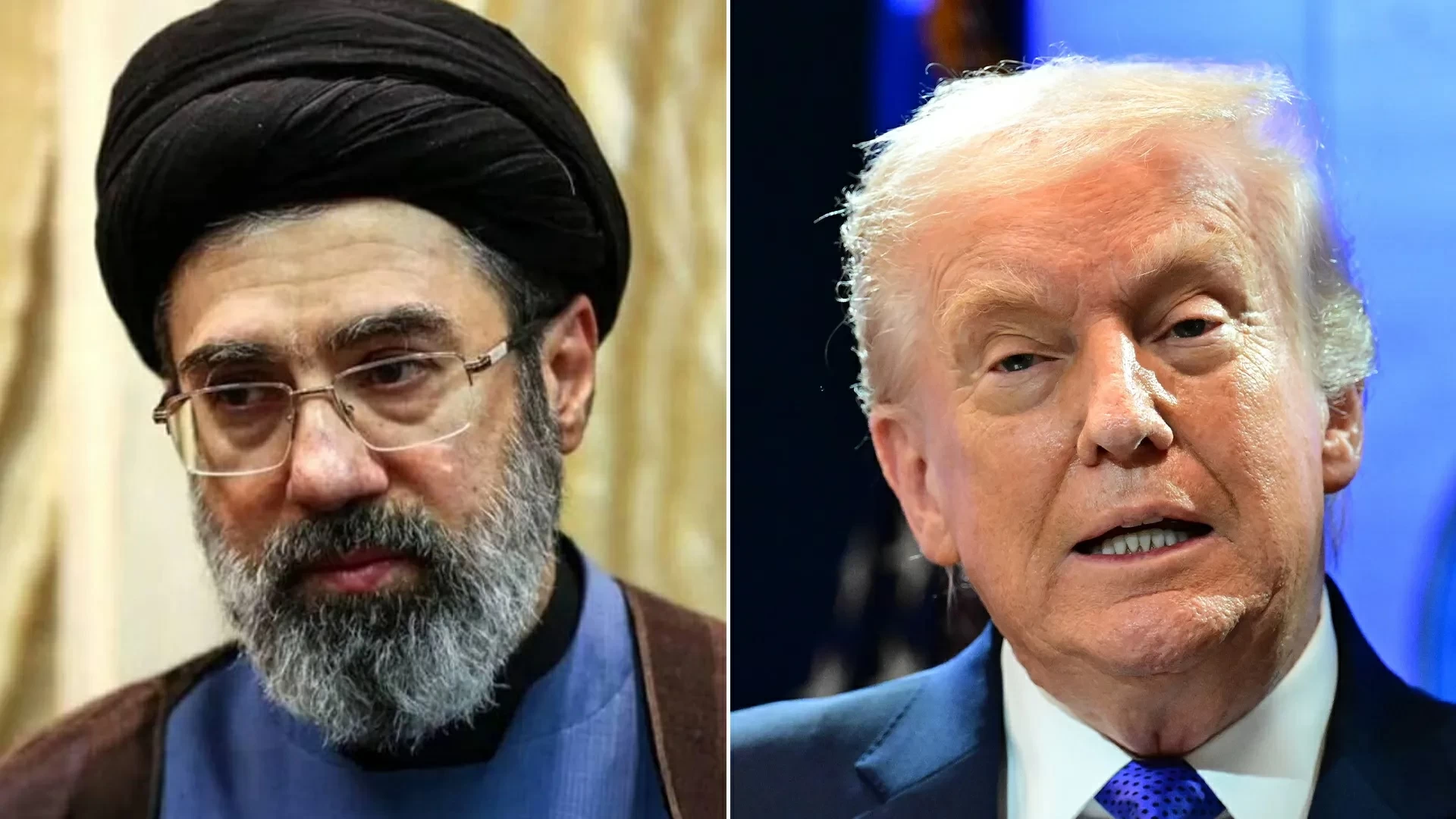
Both the United States and Iran have received a new plan aimed at ending hostilities, which includes a two-phase agreement: the first being an initial ceasefire, and the second a final agreement to end the war. While Iran announced the receipt of the proposal, it reiterated its rejection of the final warnings issued by Washington.
According to sources cited by Reuters, "all elements must be agreed upon today," indicating the necessity of reaching an understanding before the deadline set by President Donald Trump, which expires on Tuesday. The sources clarified that the preliminary understanding will be formulated as a memorandum of understanding to be completed through Pakistan, which is considered the only communication channel in these talks.
Details of the Proposal
If the proposals are agreed upon, the plan will lead to an immediate ceasefire and the reopening of the Strait of Hormuz, with a final agreement expected within a period of 15 to 20 days. The final proposals include Iran's abandonment of its nuclear program, the easing of sanctions imposed on it, as well as the release of frozen assets.
In a related context, General Asim Munir, the Chief of Army Staff of Pakistan, has made separate calls to U.S. Vice President J.D. Vance, Special Envoy Steve Witkoff, and Iranian Foreign Minister Abbas Araghchi in an attempt to facilitate the talks.
Background & Context
A senior Iranian official announced that Tehran has received Pakistan's plan to halt hostilities but emphasized that the country "will not succumb to final warnings or pressure." He indicated that Iran "will not open the Strait of Hormuz in exchange for a temporary ceasefire agreement," expressing concern that Washington "is not prepared for a permanent ceasefire."
At the same time, American, Israeli, and regional sources reported that the United States, Iran, and mediators are discussing the terms of a potential 45-day ceasefire, which could pave the way for a permanent end to the war. Although the chances of reaching a partial agreement in the next 48 hours seem "slim," this effort is considered "the last opportunity" to avoid a significant escalation in the conflict.
Impact & Consequences
The deadline set by Trump for Iran has been extended by 20 hours, with a new date announced via the Truth Social platform. This move comes at a sensitive time, as both parties seek to avoid a military escalation that could lead to extensive strikes on Iranian civilian infrastructure.
Negotiations are being conducted through intermediaries from Pakistan, Egypt, and Turkey, as well as through exchanged text messages between the American envoy and the Iranian foreign minister. Officials indicate that the Trump administration has presented several proposals to Iran; however, Iranian officials have not yet agreed to them.
Regional Significance
The issues of the Strait of Hormuz and enriched uranium are among Iran's most significant negotiating cards, and Tehran will not agree to fully abandon them in exchange for a mere 45-day ceasefire. This raises concerns among neighboring Arab countries, which fear the repercussions of any military escalation in the region.
In conclusion, the situation in the Middle East remains complex, with overlapping regional and international interests, making it difficult to predict the course of events in the coming days.