Efforts are intensifying from both the United States and Iran to locate one of the pilots whose fighter jet crashed within Iranian territory, marking the first incident of its kind since the onset of the war. Combat search and rescue operations require high coordination and critical timing.
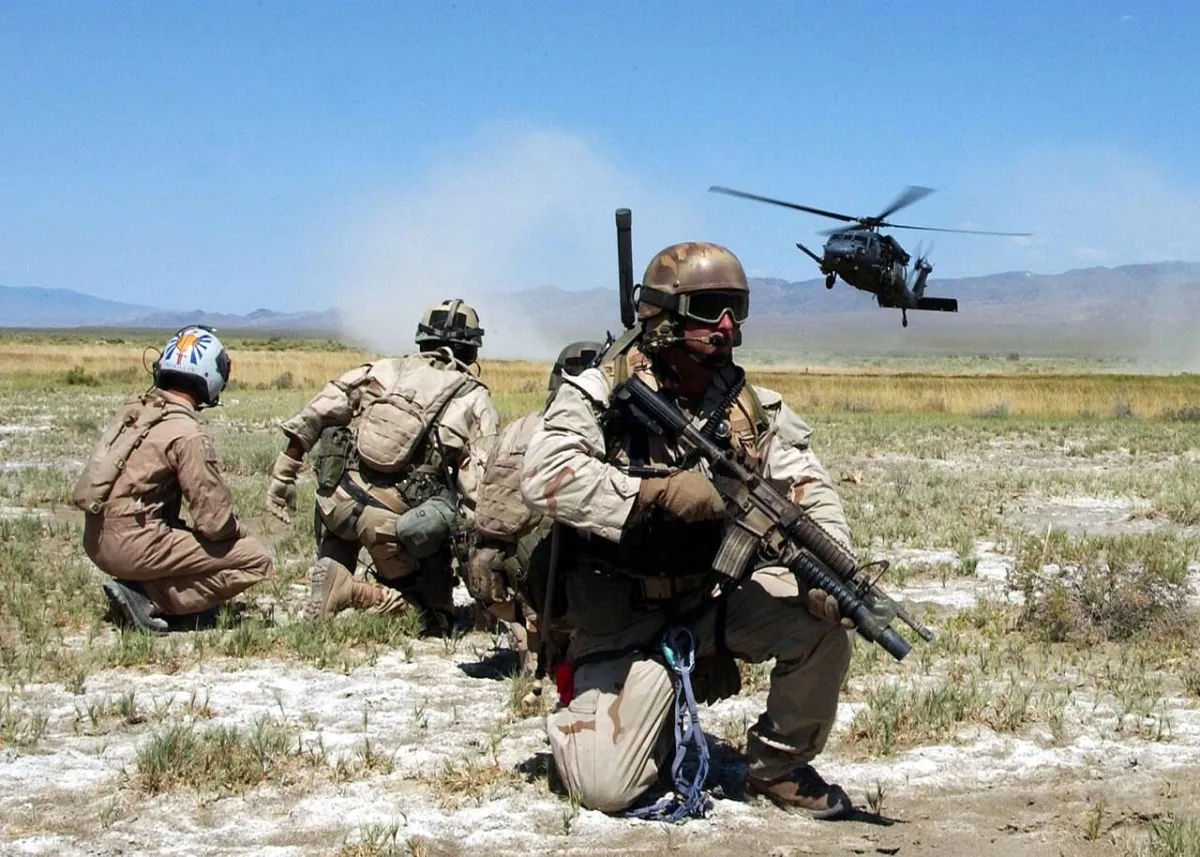
Combat search and rescue operations are among the most complex and sensitive missions in the U.S. military, with elite air force units specifically trained for these tasks. These units are often deployed near conflict zones where aircraft are likely to be lost, according to reports from the U.S. network 'BBC'.
Details of the Incident
In an incident that occurred on Saturday, Iranian armed forces shot down an 'F-15-I' fighter jet, leading to its crash within Iranian territory. While U.S. media reported that one pilot parachuted out and was rescued by special forces, the fate of the second pilot remains unknown.
Circulating videos show American helicopters and aircraft flying over Iran's Khuzestan province, reflecting the scale of military operations underway in the area. This incident is considered a setback for the U.S. Air Force, especially after Iran announced it had hit another American aircraft, complicating the military situation in the region further.
Background & Context
The history of aerial search and rescue operations dates back to World War I, when pilots conducted rescue missions for their comrades. These operations have significantly evolved since then, with official search and rescue units established in the U.S. after World War II, and the modern form of these operations beginning during the Vietnam War.
The U.S. Air Force bears the primary responsibility for locating and rescuing military personnel, with this work mainly carried out by pararescuemen, who receive extensive training and are considered part of the special operations community. Their motto is: 'We do these things so that others may live,' reflecting their commitment to their fellow service members.
Impact & Consequences
Combat search and rescue operations are extremely time-sensitive, as enemy forces may be sent to the same area to attempt to locate the American personnel. In this context, experts indicate that the priority for rescue teams will be to search for any signs that the missing pilot is still alive.
These operations require high coordination among various military units, including helicopters, refueling aircraft, and other military planes patrolling to secure the area. These operations are expected to enhance the U.S. forces' ability to respond quickly in emergencies.
Regional Significance
These events reflect the increasing tensions between the United States and Iran, which could impact the security situation in the Arab region as a whole. This incident serves as a reminder of the challenges faced by U.S. forces in conflict areas and highlights the importance of international cooperation in search and rescue operations.
In conclusion, attention remains focused on developments in Iran, where the search efforts for the pilots are expected to yield results that may affect U.S.-Iran relations in the future.