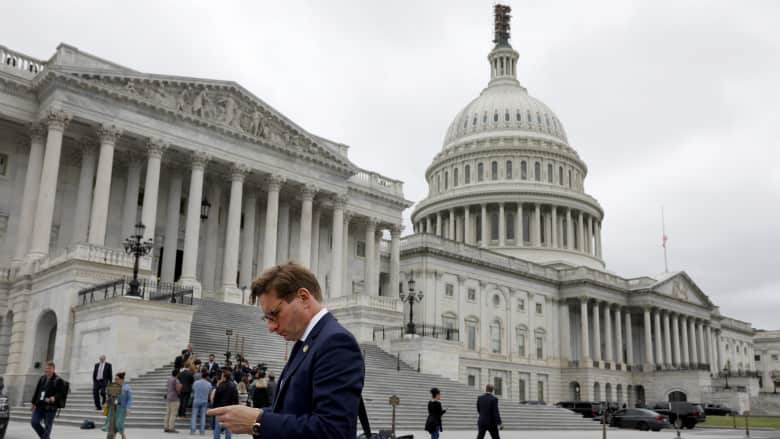
The United States is currently in discussions with Iran regarding ways to end the escalating hostilities between the two nations, despite the continuous tensions heightened by President Donald Trump's threats of new attacks. This comes at a time when the Pentagon continues to bolster its military presence in the region by sending more troops, further intensifying the situation.
These talks coincide with rising tensions in the Middle East, where Iran and the United States are considered key players in the regional conflict. The United States has expressed a desire to reach a peaceful resolution, but hostile statements from both sides raise concerns about the feasibility of achieving this.
Details of the Ongoing Discussions
The discussions between the United States and Iran encompass several aspects, including how to de-escalate military actions and avoid any potential attacks. American officials have indicated a willingness to reach an agreement that ensures the situation does not escalate into open conflict. However, Trump's statements, which include threats of attacks on Iran, reflect a state of uncertainty.
Simultaneously, the Pentagon continues to send additional forces to the region, which exacerbates tensions. The announcement of new military units being deployed in Gulf countries is seen as a preemptive measure to counter any potential threats from Iran. These military movements reflect the United States' concerns regarding Iran's activities in the region, including its support for armed groups.
Background & Context
Historically, relations between the United States and Iran have been marked by significant tensions since the Islamic Revolution in 1979. Since then, there have been several attempts to reach agreements, most of which have failed. In 2015, a nuclear agreement was reached between Iran and major powers, but the United States' withdrawal from the agreement in 2018 brought relations back to square one.
Today, Iran is considered one of the biggest challenges facing American foreign policy in the Middle East, as the United States seeks to limit its influence in the region. With rising tensions, there appears to be an urgent need to reach an agreement that ensures stability in the region and prevents any armed conflict.
Impact & Consequences
If the talks between the United States and Iran succeed, they could lead to a reduction in tensions in the region, positively impacting regional stability. However, any failure to reach an agreement could lead to military escalation, potentially dragging the region into open conflict.
The impact of these discussions is not limited to the United States and Iran; it extends to Gulf countries and others in the region. The tensions between the United States and Iran affect oil prices and regional security, making it essential for neighboring countries to respond appropriately.
Regional Significance
The Arab countries neighboring Iran, such as Saudi Arabia and the UAE, are among the most affected by the tensions between the United States and Iran. These countries are concerned about any escalation that could impact their security and stability. There are also fears that any potential conflict could lead to a refugee influx and increased sectarian tensions in the region.
In conclusion, the talks between the United States and Iran remain a vital subject requiring close monitoring, as their outcomes could significantly affect the future of the region. Reaching an agreement that ensures peace and stability would have positive implications for all parties involved.