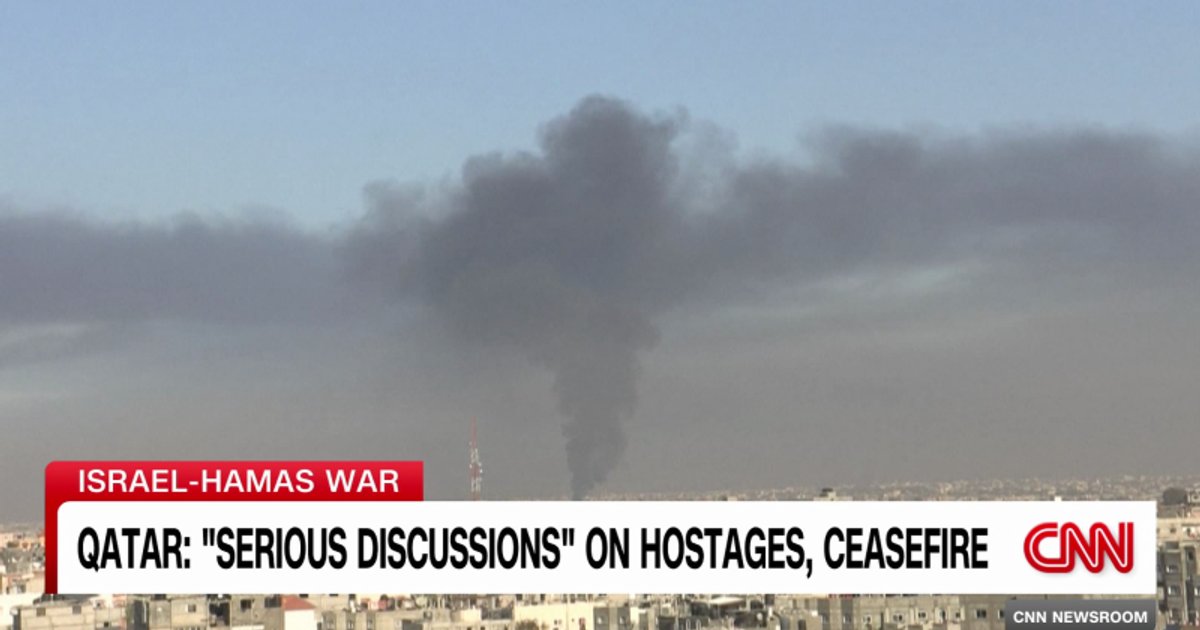
The discussions between the United States and Iran continue with the involvement of a group of mediators, focusing on the possibility of reaching a temporary ceasefire agreement lasting 45 days. If achieved, this agreement could pave the way for a permanent resolution to the ongoing conflict, according to sources familiar with the matter reported by Axios.
These developments come at a sensitive time, as pressures mount on the involved parties to find a peaceful solution to the conflict that has significantly impacted the region. The talks are seen as a last opportunity that could help alleviate the tensions between the United States and Iran, which have escalated notably in recent times.
Details of the Negotiations
Reports indicate that the discussions include terms related to halting hostilities and prisoner exchanges, as well as mechanisms to monitor compliance with the agreement. The parties involved have shown a willingness to negotiate, despite the significant challenges they face.
This move follows a series of strong statements from former U.S. President Donald Trump, who warned of dire consequences if Iran continued to escalate its military activities. These statements have raised widespread concern in political and diplomatic circles.
Background & Context
Historically, U.S.-Iran relations have seen increasing tensions since the United States withdrew from the nuclear agreement in 2018. Since then, Washington has imposed strict sanctions on Tehran, exacerbating the economic and political situation in Iran.
The conflict in the region has also been significantly affected by Iran's interventions in the internal affairs of other countries, which has heightened tensions. Several countries, including Gulf states, have attempted to play a mediating role in this crisis, but so far without success.
Impact & Consequences
If a ceasefire agreement is reached, it could contribute to reducing tensions in the region and lead to greater stability. Additionally, ending the conflict might open avenues for improving relations between Iran and the West, which could positively impact the Iranian economy.
However, the question remains regarding the commitment of the parties to potential agreements, especially given the long history of mistrust between the United States and Iran. Any failure to reach an agreement could lead to renewed escalation, threatening regional security.
Regional Significance
These discussions hold particular importance for Arab countries, as the U.S.-Iran conflict directly affects security and stability in the region. Any progress toward ending the conflict could help alleviate pressures on neighboring countries and enhance prospects for peace in the Middle East.
At the same time, Arab nations must remain cautious, as any agreement that may involve concessions from the United States or Iran could impact their national interests. Therefore, closely monitoring these negotiations will be essential to understanding potential changes in the regional landscape.
In conclusion, these talks represent a historic opportunity that could change the course of events in the region, but they require strong political will from all parties to achieve tangible results.