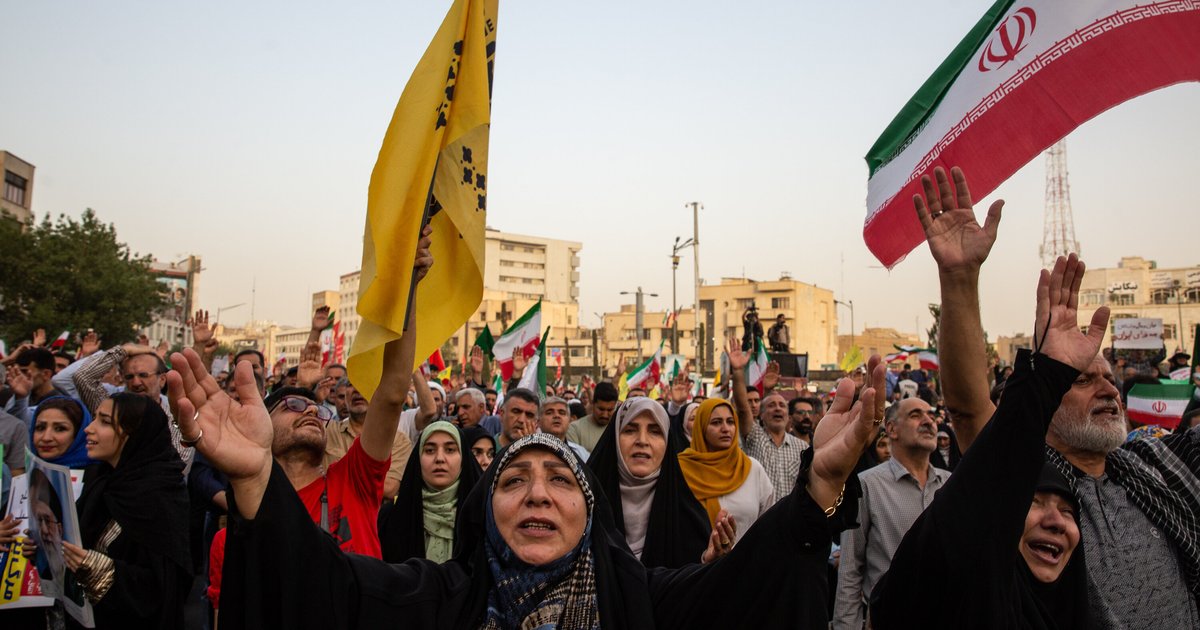
The discussions between the United States and Iran, assisted by regional mediators, are ongoing regarding the possibility of reaching an agreement for a ceasefire lasting 45 days. These talks are part of a two-phase plan designed to end the persistent conflict between the two sides, with the first phase representing a temporary halt to hostilities.
According to a report published by Axios, the Trump administration has presented several proposals to Iran in recent days, but Iranian officials have yet to accept any of them. The source indicates that the chances of reaching an agreement within the next 48 hours appear slim.
Details of the Proposed Ceasefire
The first phase of the proposed plan involves a ceasefire for 45 days, during which the final peace terms will be negotiated. There is also the possibility of extending the truce if both parties require more time for negotiations. The second phase of the plan pertains to signing a final agreement to end the conflict.
It is noteworthy that Trump had previously threatened to destroy vital facilities in Iran, including power stations and bridges, and demanded the opening of the Strait of Hormuz, which is a crucial artery for oil transport.
Background & Context
These developments come at a sensitive time, as relations between the United States and Iran have been increasingly strained since Washington's withdrawal from the nuclear agreement in 2018. Since then, hostilities between the two sides have escalated, including mutual attacks on military targets.
On February 28, the United States and Israel began launching joint attacks on Iranian targets, leading to Iranian retaliation by targeting Israeli and other U.S. military sites in the region. These events indicate a continuing escalation in the conflict, making the need for an agreement more urgent.
Impact & Consequences
If a ceasefire agreement is reached, it could help alleviate tensions in the region and provide an opportunity for both sides to sit down at the negotiating table. However, challenges remain, particularly regarding sensitive issues such as the Iranian nuclear program and navigation rights in the Strait of Hormuz.
Furthermore, any potential agreement could impact relations between the United States and its allies in the region, including Israel and Gulf states, which are concerned about Iran's growing influence.
Regional Significance
The current developments are of great importance to Arab countries, as any escalation in the conflict between the United States and Iran could destabilize the region. Arab nations, especially those close to the Strait of Hormuz, are closely monitoring these negotiations, as any escalation could affect their security and economic stability.
In conclusion, all eyes remain on the outcomes of these talks, as reaching an agreement could represent a step towards achieving peace in a region plagued by ongoing conflicts.