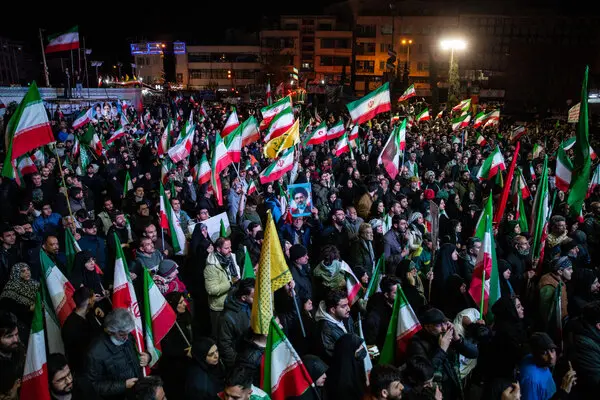
In a surprising move, the United States and Iran have announced a two-week ceasefire agreement, sparking a wave of relief across the globe. This announcement came after threats from U.S. President Donald Trump to destroy "Iranian civilization entirely" unless the Strait of Hormuz, a vital corridor for oil and gas transport, was reopened.
Under this agreement, Iran has pledged to allow ships to transit safely through the Strait of Hormuz, provided that these vessels coordinate with Iranian military forces. However, shipping companies appear hesitant to return to this crucial waterway at present, as sporadic attacks in the Gulf continued just hours after the announcement of the agreement.
Details of the Agreement
The agreement, reached with the mediation of Pakistan, does not end the war between the two parties but represents a step towards easing escalating tensions. The U.S. administration seeks to resume the flow of oil, gas, and other goods through the strait, at least temporarily, which could contribute to stabilizing global markets.
Despite the agreement, concerns remain about the continuation of military operations, as Israel has confirmed it will continue its military campaign against Hezbollah in Lebanon, reflecting ongoing tensions in the region.
Background & Context
Historically, U.S.-Iran relations have been strained since the Iranian Revolution in 1979, which severed diplomatic ties between the two nations. Since then, the region has witnessed numerous conflicts and wars in which both Iran and the United States have been involved, making any agreement between them a matter of global interest.
The Strait of Hormuz is a strategic point, through which approximately 20% of the world's oil supply passes. Therefore, any escalation in tensions could significantly impact oil prices and the global economy.
Impact & Consequences
This agreement could lead to a reduction in tensions in the region, potentially contributing to the stabilization of oil prices, which have experienced sharp fluctuations recently. Financial markets have reacted positively, with oil prices dropping sharply while stocks in Asian markets have risen.
However, the question remains regarding the sustainability of this agreement. Military tensions persist, and many regional and international parties are closely monitoring the situation. If a comprehensive peace agreement is not reached, the situation may revert to its previous state, potentially leading to a new escalation in conflict.
Regional Significance
For Arab countries, any escalation in the conflict between the United States and Iran could directly impact security and stability in the region. Gulf states, in particular, heavily rely on the stability of the Strait of Hormuz to secure their oil supplies.
Moreover, any escalation could increase tensions between Iran and Arab countries, negatively affecting regional relations. Therefore, the success of this agreement in achieving lasting peace would have positive implications for the entire region.