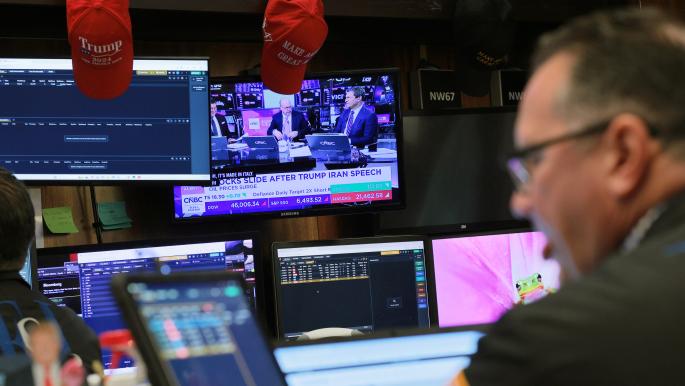
Financial markets have experienced a notable shift following the announcement of a temporary truce between the United States and Iran, with gold prices soaring and the value of the dollar declining. These developments are part of a broader effort to ease tensions between the two nations, leading to increased demand for safe-haven assets like gold.
The announced truce represents a positive step in U.S.-Iran relations as both parties seek to calm the long-standing tensions. Under these circumstances, investors are leaning towards risk, reflecting cautious optimism regarding the outcomes of forthcoming negotiations.
Details of the Truce Announcement
The United States and Iran have declared a temporary truce aimed at reducing tensions between the two countries, which has directly impacted financial markets. Gold prices have risen significantly, indicating increased demand for this precious metal as a safe haven amid volatile global economic conditions.
Conversely, the U.S. dollar has weakened against several major currencies, reflecting the truce's impact on financial markets. This decline in the dollar's value comes at a time when investors are reassessing their investments amid political and economic changes.
Background & Context
Historically, U.S.-Iranian relations have been marked by escalating tensions, particularly following the U.S. withdrawal from the nuclear agreement in 2018. Since then, Washington has imposed stringent economic sanctions on Iran, adversely affecting its economy. However, this truce represents a new opportunity for both sides to explore avenues for dialogue and negotiation.
These developments come at a sensitive time, as the global economy faces significant challenges, including inflation and potential recession. Therefore, any improvement in U.S.-Iran relations could have positive effects on global markets.
Impact & Consequences
This truce is expected to lead to relative stability in financial markets, as easing tensions may enhance investor confidence. Additionally, the rise in gold prices may indicate increased demand for safe-haven assets, reflecting investors' concerns about economic instability.
Moreover, the dollar's decline could affect commodity prices, as a weaker dollar makes goods like oil and gold more expensive for foreign investors. This situation may lead to increased demand for these commodities, potentially driving up their prices in global markets.
Regional Significance
The U.S.-Iranian relationship is a key factor influencing the stability of the Arab region. Any improvement in these relations could positively impact neighboring countries, potentially reducing tensions in areas such as the Arabian Gulf.
Furthermore, stability in financial markets may contribute to improving economic conditions in some Arab countries that rely on oil and gas exports. Thus, these developments represent an opportunity for Arab nations to strengthen their economic and trade relations.
In conclusion, the U.S.-Iranian truce marks a step towards reducing tensions, which may contribute to the stability of financial markets. However, anticipation remains regarding the outcomes of upcoming negotiations.