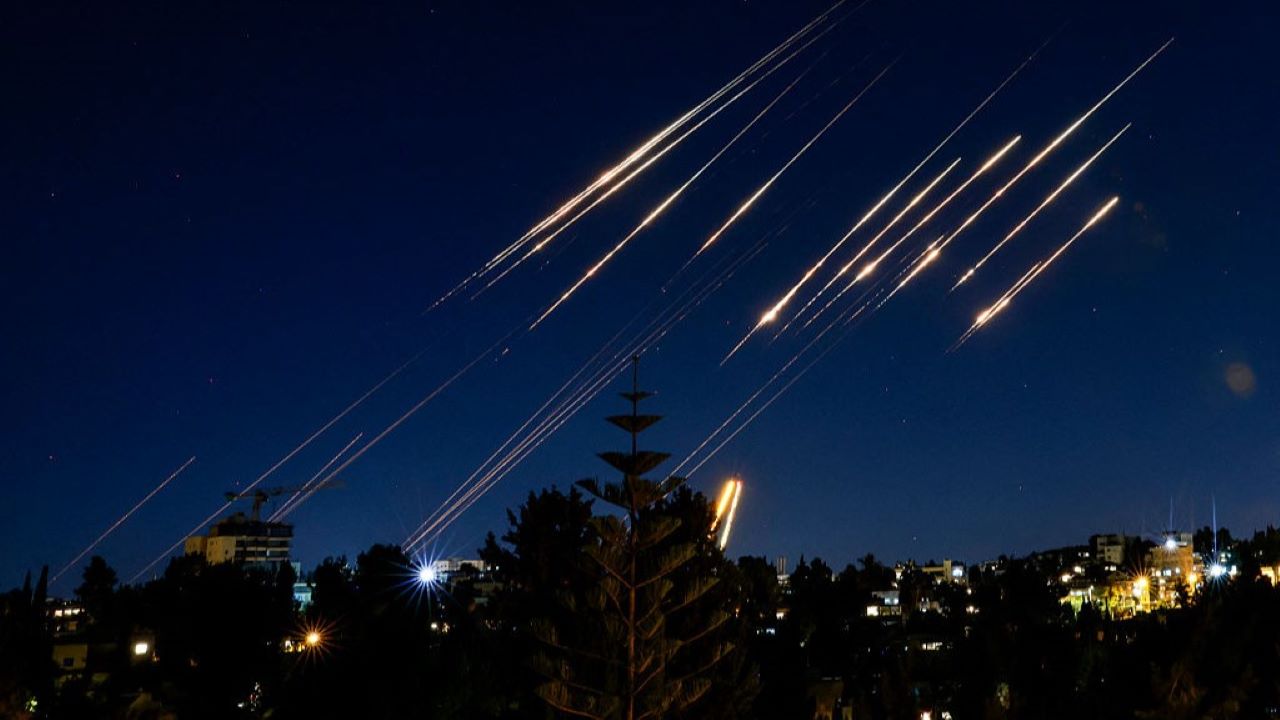
The US-Israel war on Iran has entered its first month without achieving the desired goals set by President Donald Trump and Prime Minister Benjamin Netanyahu. Despite their repeated claims of victories, the reality on the ground indicates that Tehran considers itself the victor, imposing its terms on its adversaries.
The issue of the Strait of Hormuz is one of the most significant challenges facing Trump, as this vital waterway represents a strategic point for oil transport and poses a threat to regional and international security. Iran has shown its willingness to use the Strait of Hormuz as a means to pressure the United States and its allies.
Details of the Event
Events in the region have accelerated following the escalation of tensions between the United States and Iran, with US forces reinforcing their military presence in the Arabian Gulf, while Iran responded with direct threats to close the Strait of Hormuz. These threats come at a sensitive time, as the global economy heavily relies on the flow of oil from this strait.
At the same time, Israel continues to carry out military operations against Iranian targets in Syria, further complicating the situation. Reports have indicated that these operations have not achieved the desired results, as Iran remains capable of bolstering its presence in the region.
Background & Context
The roots of the current tensions trace back to years of conflict between Iran and the United States, with relations between the two countries deteriorating significantly after Trump withdrew from the Iranian nuclear deal in 2018. Since then, the United States has imposed stringent economic sanctions on Iran, exacerbating the economic and social conditions in the country.
The Israeli-Iranian tensions are not new, as Israel views Iran as an existential threat and seeks to prevent it from acquiring nuclear weapons. This ongoing conflict reflects broader struggles in the Middle East, where regional and international interests intertwine in complex ways.
Impact & Consequences
Forecasts suggest that the continuation of the conflict may lead to greater military escalation in the region, threatening the stability of Gulf Arab states and impacting global oil prices. Furthermore, any escalation in the Strait of Hormuz could provoke strong international reactions, as many countries consider freedom of navigation in this vital passage an uncompromising issue.
Moreover, this conflict could strengthen the position of other regional powers such as Russia and China, which seek to increase their influence in the region at the expense of American dominance.
Regional Significance
The US-Israel conflict over Iran poses a direct threat to Arab security, as it may destabilize Gulf Arab states and intensify sectarian tensions. Additionally, any military escalation could negatively impact Arab economies, which heavily rely on oil.
At the same time, some armed groups in the region may exploit these circumstances to enhance their influence, further complicating the security landscape in the Middle East.
In conclusion, the situation in the region remains complex, with international and regional interests intertwining in ways that make it difficult to predict the course of events. As the war enters its second month, there is hope that the international community can find peaceful solutions that ensure the stability of the region.