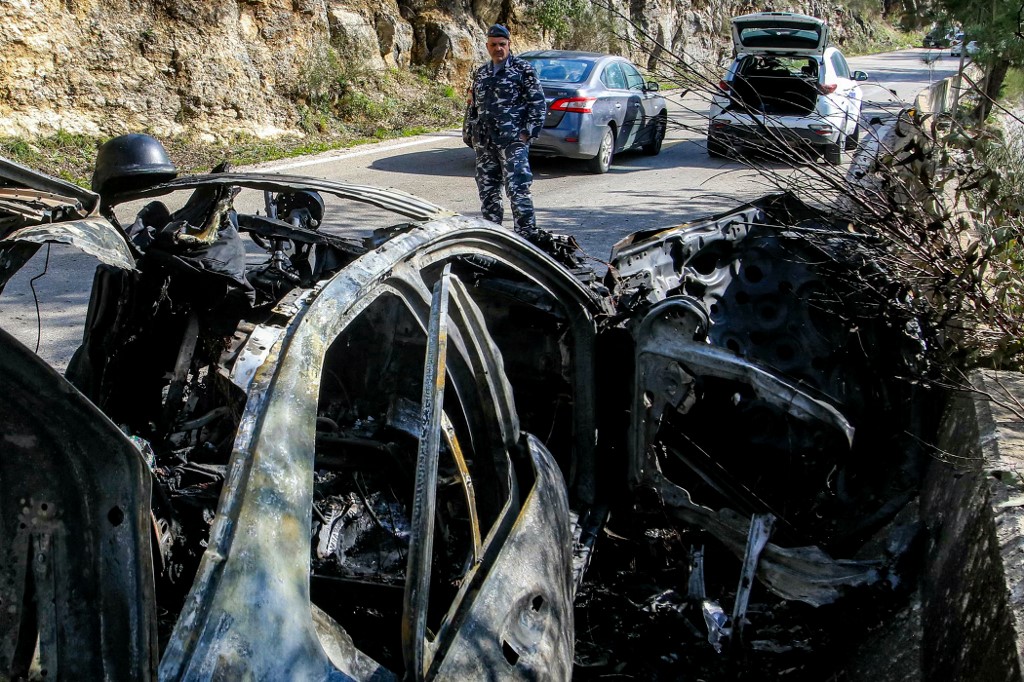
An airstrike in the city of Kirkuk, northern Iraq, resulted in the deaths of three fighters from the Popular Mobilization Forces and injured four others, according to sources from the group on Saturday. The Popular Mobilization Forces are considered part of the Iraqi armed forces, and the United States and Israel have been accused of being behind this attack.
The Popular Mobilization Forces stated in a statement that the fighters were "subject to a treacherous attack by Zionist and American forces," reflecting the increasing tensions in the region. The attack comes at a sensitive time, as Iraq is experiencing rising political and security tensions.
Details of the Incident
The attack in Kirkuk, a region rich in oil, is considered part of a series of assaults targeting the Popular Mobilization Forces, which were formed to combat the ISIS organization and include fighters from various factions. These forces were officially integrated into the Iraqi army, complicating the security situation in the country.
This airstrike comes at a time of heightened fears of military escalation in Iraq, where U.S. forces are present under the pretext of combating terrorism. The attack has drawn widespread condemnation from leaders of the Popular Mobilization Forces, who view these actions as an infringement on Iraqi sovereignty.
Context and Background
Historically, Kirkuk has witnessed numerous conflicts due to its ethnic and tribal diversity, with Kurdish, Arab, and Turkmen groups present in the area. The city has been the scene of many conflicts since the U.S. invasion of Iraq in 2003, exacerbating sectarian divisions.
The Popular Mobilization Forces were established in 2014 following the emergence of ISIS and successfully regained many areas from the organization's control. However, the presence of these forces raises concerns among some parties, especially amid tensions between Iraq and Israel, with the latter accusing the Popular Mobilization Forces of loyalty to Iran.
Consequences and Impact
This attack is viewed as a serious escalation in the ongoing conflict in Iraq and may provoke strong reactions from the Popular Mobilization Forces, potentially increasing the level of violence in the region. Furthermore, this attack could affect relations between Iraq and the United States, as these airstrikes are seen as violations of Iraqi sovereignty.
This escalation could lead to increased tensions among armed factions in Iraq and may drive some groups to take retaliatory actions against U.S. or Israeli forces. Additionally, it could impact regional security, with growing concerns about the conflict expanding to neighboring countries.
Impact on the Arab Region
These events illustrate how Iraq remains a battleground for regional and international conflicts, with major powers playing a role in determining the country's fate. This attack is part of a broader strategy aimed at undermining Iranian influence in the region, potentially leading to further divisions in the Arab world.
Ultimately, this incident highlights the urgent need for comprehensive dialogue among all parties involved in Iraq to ensure the country's stability and prevent the escalation of violence. The continuation of these attacks could exacerbate the humanitarian situation in Iraq, increasing the suffering of civilians who are already bearing the brunt of the ongoing conflict.