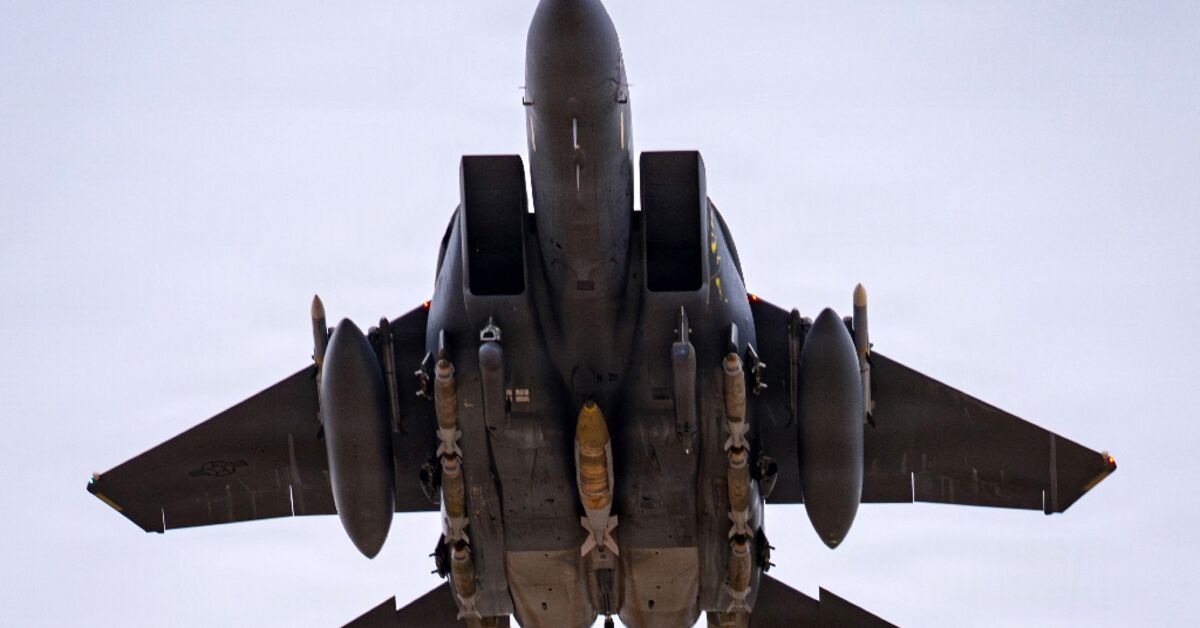
U.S. and Israeli airstrikes targeted an area near Iran's Bushehr nuclear facility on Saturday, raising alarms from Iranian Foreign Minister Hussein Amir-Abdollahian regarding the risks that could face neighboring Gulf countries. These strikes occur at a sensitive time as tensions in the region escalate, with ongoing efforts to locate a missing American pilot after his aircraft fell over Iranian territory.
Foreign Minister Hussein Amir-Abdollahian emphasized that any negative repercussions would significantly impact the neighboring Gulf states, noting that such hostile actions could exacerbate the situation in the region. The airstrikes come at a critical juncture, as Iran continues to bolster its military capabilities and expand its influence across the area.
Details of the Incident
The strikes carried out by U.S. and Israeli forces targeted an area close to the Bushehr nuclear facility, which is considered one of Iran's most important nuclear installations. These airstrikes are part of a broader escalation of tensions between Iran and the United States and its allies, with Washington accusing Tehran of supporting armed groups in the region.
Simultaneously, the Iranian Revolutionary Guard announced an attack using drones on a commercial vessel in Bahrain, which is alleged to be linked to Israel. This military escalation reflects the growing tensions between Iran and its allies on one side, and the United States and Israel on the other.
Background & Context
Historically, relations between Iran and the United States have been strained since the Islamic Revolution in 1979. Since then, the United States has imposed economic sanctions on Iran, significantly impacting the Iranian economy. In recent years, tensions have notably increased, especially following the U.S. withdrawal from the Iranian nuclear deal in 2018.
Iran seeks to develop its nuclear program, raising international concerns about the potential for military applications. In response, the United States and its allies, including Israel, continue to pressure Iran to halt its nuclear activities.
Impact & Consequences
The recent airstrikes are indicative of rising tensions in the region and may provoke military responses from Iran. This escalation could threaten regional security and increase the likelihood of a large-scale military conflict. Furthermore, any escalation in the area could impact oil prices and global markets.
These events are likely to heighten tensions between Iran and Gulf states, as these countries may feel anxious about the implications of the airstrikes on their security and stability. This situation may also prompt some nations to reassess their security and military strategies.
Regional Significance
Events in Iran directly affect neighboring Arab countries, particularly those sharing maritime borders with Iran. Military tensions could lead to increased fears of armed conflicts in the region, which may impact trade and tourism.
Moreover, rising tensions could push some Arab nations to strengthen their military alliances with the United States or other countries, complicating the security landscape in the region. Under these circumstances, Arab states must exercise caution in addressing these tensions and strive to enhance dialogue and regional cooperation.
In conclusion, the situation in the region remains tense, and all parties involved must work to avoid military escalation. Dialogue and understanding are the only pathways to achieving stability in the area.