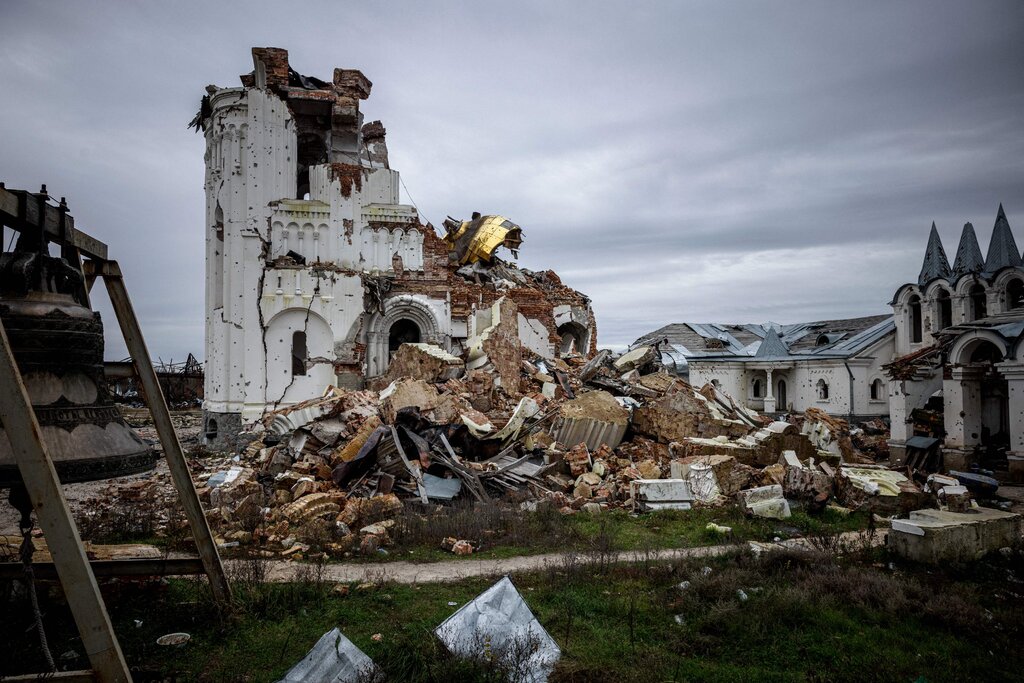
The Cultural Heritage Committee in Tehran announced that airstrikes launched by the United States and Israel on Iran since February 28 have resulted in the destruction of at least 120 cultural and historical sites. These attacks have caused significant damage to many museums and archaeological landmarks, raising serious concerns about the preservation of Iranian heritage.
On the first day of the attack, Supreme Leader Ali Khamenei was killed, igniting a comprehensive war whose effects have extended throughout the region. Ahmad Alavi confirmed that the airstrikes directly targeted many historical landmarks, leading to the destruction of important cultural infrastructure.
Details of the Incident
Alavi noted that among the affected sites is the Golestan Palace, which is listed as a UNESCO World Heritage site and is considered one of the oldest landmarks in the Iranian capital. Other sites affected include the Marble Palace, the Timurtash Museum (also known as the War Museum), and the Saadabad Palace, which is an important historical complex in northern Tehran.
The Saadabad complex dates back to the early 20th century and includes a collection of palaces and archaeological buildings, as well as museums showcasing Iran's cultural history and the legacy of the deposed Shah. The complex also houses the residences of the Iranian president and the governor of Tehran, further increasing its significance.
Background & Context
In mid-March, UNESCO counted four affected sites among the 29 sites listed as World Heritage in Iran, which include: Golestan Palace, Isfahan Mosque, Chehel Sotoun Palace, and archaeological sites in the Khoramabad Valley. Several historic homes in the coastal city of Bushehr were also damaged, along with the harm inflicted on Naghsh-e Jahan Square in Isfahan, which is considered an architectural masterpiece built in the 17th century.
These airstrikes come amid escalating tensions between Iran, the United States, and Israel, with growing fears that these attacks could lead to further deterioration of humanitarian and cultural conditions in the region.
Impact & Consequences
These attacks are viewed as an assault on cultural and humanitarian heritage, threatening the cultural identity of the Iranian people. The damage inflicted on historical landmarks could result in the loss of a significant part of Iranian history, which would have negative repercussions on tourism and the local economy.
Moreover, the destruction of these archaeological sites may provoke strong reactions from the international community, particularly from cultural and human rights organizations that seek to preserve cultural heritage in conflict areas. Preserving these landmarks is a collective responsibility, as they represent a part of shared human heritage.
Regional Significance
The events in Iran are part of a broader landscape of tensions in the region, where Arab countries are directly or indirectly affected by what is happening. The destruction of cultural heritage in Iran may raise concerns in Arab countries facing similar challenges in preserving their cultural heritage amid ongoing conflicts.
In conclusion, the destruction of cultural landmarks in Iran serves as a wake-up call for all countries suffering from conflicts, highlighting the need for international efforts to protect cultural heritage from the impacts of wars and conflicts.