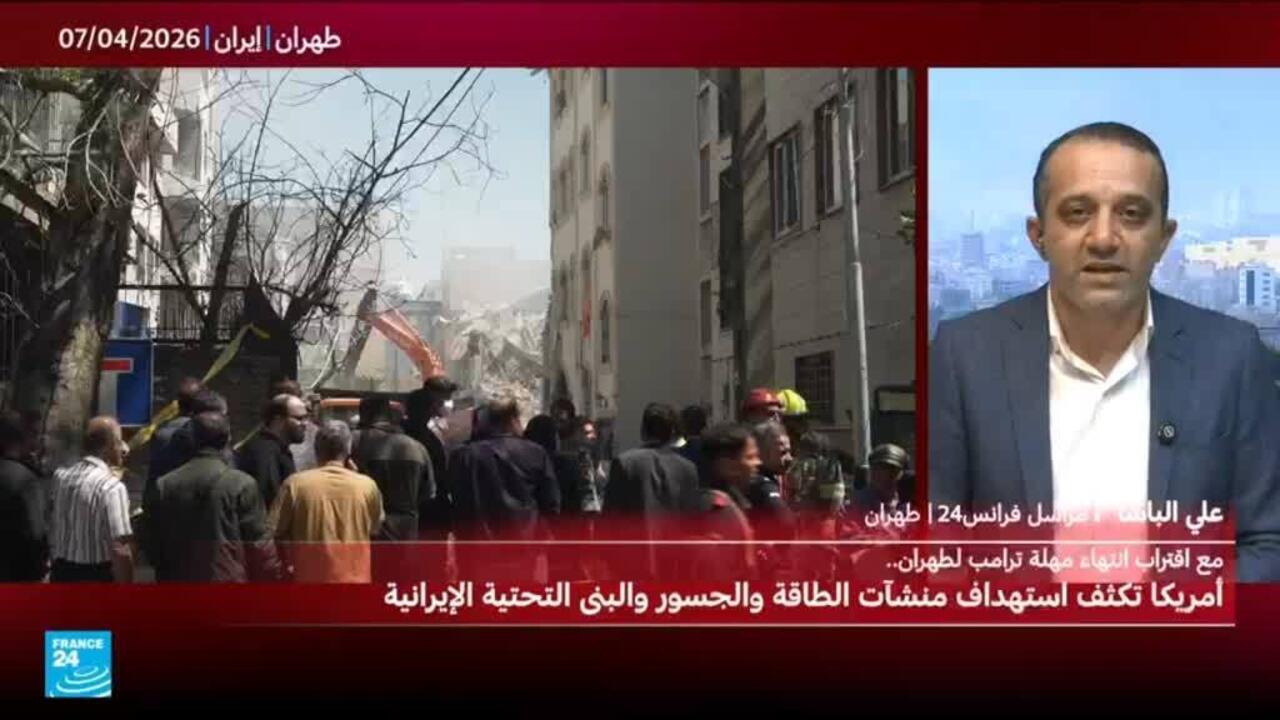
A series of U.S.-Israeli airstrikes targeted two key bridges and railway infrastructure in Iran, leading to casualties, according to Iranian officials. The strikes, which took place on Tuesday, hit a bridge near the holy city of Qom and a railway bridge in Kashan, central Iran.
These strikes come amid rising tensions between Iran and the United States, with growing fears of military escalation in the region. Iranian state media reported local officials confirming the damage to infrastructure, reflecting the impact of these attacks on transportation and logistics within the country.
Details of the Incident
According to reports, the airstrikes targeted two vital bridges, resulting in significant destruction of railway infrastructure. The first bridge, located near Qom, is considered an important landmark in the country, while the second bridge in Kashan connects several vital areas. These attacks occur at a time when Iran is experiencing both internal and external tensions, complicating the security situation.
The airstrikes, believed to have been coordinated between the U.S. and Israel, indicate a new strategy targeting Iran's critical infrastructure. Images circulated on social media show the extent of the destruction inflicted on the bridges, raising questions about Iran's ability to protect its infrastructure.
Background & Context
Historically, relations between Iran and the United States have been marked by increasing tensions, especially following Washington's withdrawal from the nuclear agreement in 2018. Since then, the U.S. has imposed strict sanctions on Iran, impacting its economy and leading to deteriorating living conditions. In this context, the recent airstrikes are seen as part of a continued pressure policy on Tehran.
Israel, viewing Iran as an existential threat, has ramped up its military operations against Iranian targets in recent years. These strikes are part of an Israeli strategy aimed at undermining Iran's military capabilities, especially amid rising tensions in the region.
Impact & Consequences
Analysts anticipate that these strikes will escalate tensions between Iran and the United States, potentially opening the door to military responses from the Iranian side. Some analysts have warned that these attacks could lead to an unexpected escalation in the region, threatening regional security.
Furthermore, these strikes may impact Iran's relations with its allies, including Russia and China, who may perceive these attacks as a threat to their interests in the region. Additionally, these events could lead to increased divisions within Iran, as some political factions may exploit the situation to criticize the government.
Regional Significance
These strikes are indicative of rising tensions in the region, which may affect neighboring Arab countries. Under these circumstances, concerns may grow regarding the implications of the Iranian-American conflict on regional security.
Arab countries, seeking to achieve stability in the region, may find themselves compelled to reassess their security and political strategies in light of these developments. These events are likely to lead to increased cooperation among Arab states to address the growing security challenges.
In conclusion, the situations in Iran and the Middle East remain under scrutiny, as countries and observers await potential reactions from Tehran and whether it will escalate militarily or seek de-escalation.