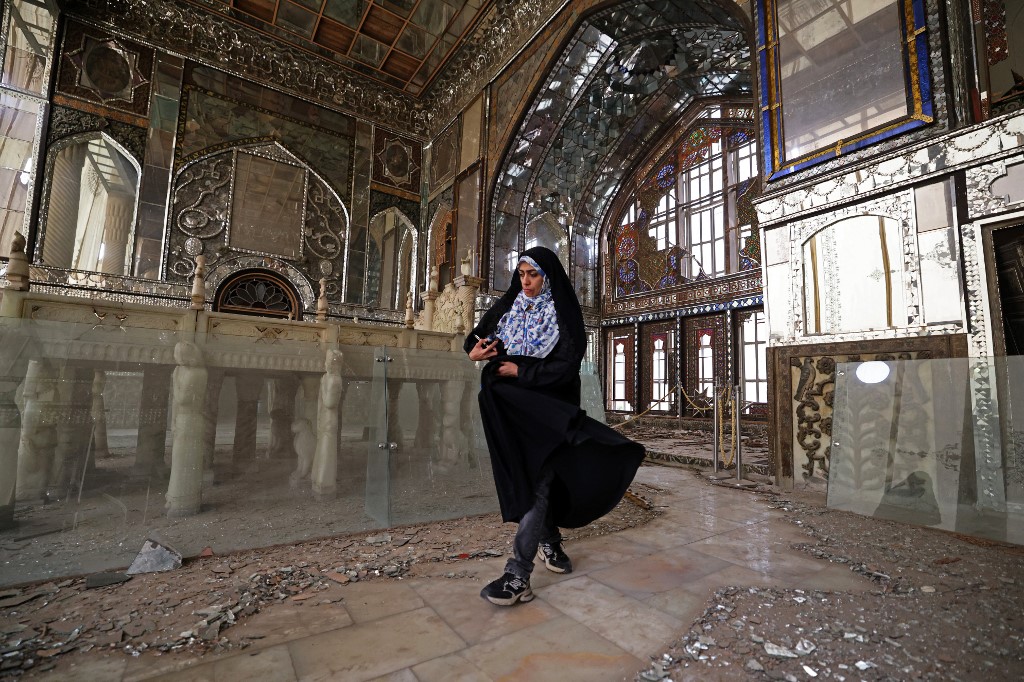
Iran experienced a bloody night due to airstrikes carried out by the United States and Israel, with reports indicating that dozens were killed in attacks targeting various areas of the capital, Tehran. The strikes, which occurred late at night, affected eastern, southern, and western parts of the city, causing significant damage around Sharif University of Technology, where nearby buildings were heavily impacted.
The airstrikes also targeted a nearby gas facility, with reports stating that other cities such as Karaj, Shiraz, Isfahan, and Bushehr were also bombed. In Bandar Lengeh, six people were reported killed, while five others died in Qom, and 13 in Baharestan, including six children, according to Al Jazeera.
Details of the Incident
These airstrikes come amid escalating tensions between Iran, the United States, and Israel, as attacks on civilian infrastructure in Iran have increased. The recent assaults indicate a new strategy targeting civilians, raising concerns about the humanitarian impact of these military operations. Furthermore, targeting universities and vital facilities reflects an unprecedented escalation in the ongoing conflict.
Reports continue to emerge regarding the damage inflicted on educational institutions and critical facilities, raising questions about the true objectives of these attacks. The targeting of Sharif University of Technology, one of the country's leading universities, clearly demonstrates an intention to undermine Iran's scientific and technological capabilities.
Background & Context
Historically, relations between Iran and the United States have been marked by increasing tensions since the Islamic Revolution in 1979. These tensions have notably escalated in recent years, especially after the U.S. withdrawal from the Iranian nuclear deal in 2018. Since then, the U.S. has imposed stringent sanctions on Iran, affecting the Iranian economy and exacerbating humanitarian crises.
On the other hand, Israel seeks to prevent Iran from developing its nuclear capabilities, adopting an aggressive policy against it. These airstrikes are part of Israel's ongoing attempts to strike what it perceives as threats to its national security, complicating the situation in the region further.
Impact & Consequences
Analyses predict that these airstrikes will lead to a greater escalation in the conflict between Iran, the United States, and Israel. Iran is likely to respond to these attacks in various ways, either by targeting U.S. interests in the region or by increasing its military activity elsewhere. This escalation could lead to a cycle of violence, threatening the stability of the entire region.
Moreover, these events may impact Iran's relations with other countries, including European nations that seek to maintain the nuclear agreement. These countries may find themselves in a difficult position, needing to balance support for Iran with a rejection of military escalation.
Regional Significance
The Arab region is directly affected by these events, as any escalation in the Iranian-American conflict could have wide-ranging repercussions. Neighboring Arab countries, such as Iraq and Syria, may witness increased tensions, threatening regional security. There are also concerns that these events could lead to a flow of refugees into Arab countries, further burdening these nations.
In conclusion, the situation in Iran remains tense, and the recent airstrikes appear to complicate the regional landscape further. It is crucial for the international community to take urgent steps to de-escalate tensions and prevent further innocent casualties.