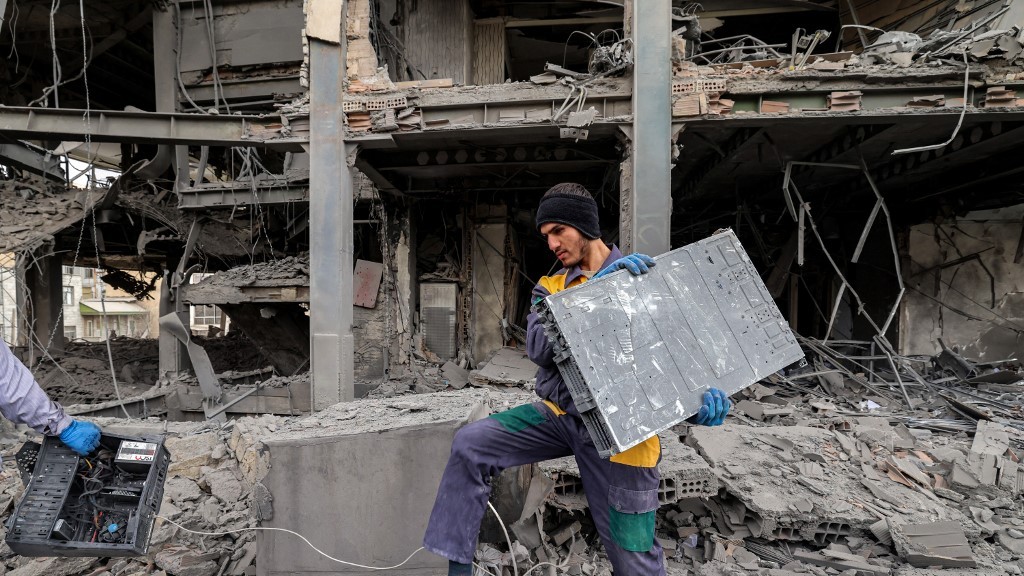
The Popular Mobilization Forces in Iraq announced that their bases were subjected to coordinated airstrikes between the United States and Israel, targeting two bases in Babil and Anbar provinces. The forces reported that the strikes hit Brigade 45 in the Jurf al-Nasr area and Brigade 31 in the Karma region, east of Anbar, raising increasing concerns about escalating military tensions in the region.
In an official statement, the Popular Mobilization Forces confirmed that they are on high alert and continue to perform their security duties despite what they described as "repeated strikes" on their sites. This escalation comes at a sensitive time, as fears grow regarding the intensification of conflict in Iraq and its impact on regional security.
Details of the Incident
The Popular Mobilization Forces are considered part of the Iraqi military structure, formed in 2014 to combat the ISIS terrorist organization. These forces have played a significant role in reclaiming territory that was under the control of the organization. However, they face criticism from some political factions in Iraq, which view them as militias not under central authority.
The recent attacks come amid rising tensions between Iraq and Israel, with Tel Aviv accusing Iran of supporting militias in Iraq, complicating the security landscape in the region. Military sources confirmed that the airstrikes targeted sites used for weapon storage.
Background & Context
Historically, relations between Iraq and Israel have been marked by significant tension, as Baghdad has never recognized the existence of the Israeli state. However, new regional alliances, including normalization between some Arab countries and Israel, have added new dimensions to this conflict. In recent years, Israeli attacks on sites in Iraq have increased, reflecting Tel Aviv's strategy to limit Iran's influence in the region.
The United States is also a key player in this conflict, continuing its support for Iraqi security forces while simultaneously conducting military operations against Iran-backed militias, further complicating the security situation in Iraq.
Impact & Consequences
These airstrikes raise questions about the future of security in Iraq, as they may lead to an escalation of conflict between Iraqi forces and Iran-backed militias. Additionally, these events could affect relations between Iraq and the United States, as Baghdad may find itself in a difficult position between supporting its traditional allies and the necessity of maintaining its national sovereignty.
Moreover, military escalation could exacerbate the humanitarian situation in Iraq, where many civilians are suffering from the effects of ongoing conflict. Military pressures may lead to further displacement of populations, complicating the humanitarian situation in the country.
Regional Significance
The events in Iraq are part of a broader scene in the Middle East, where regional and international interests intersect. The rising tensions in Iraq could impact the stability of neighboring countries, especially amid ongoing tensions between Iran and the United States. Any escalation in Iraq may reflect on the security of Gulf states, increasing the need for dialogue and regional cooperation.
In conclusion, the recent airstrikes on the Popular Mobilization Forces' bases in Iraq represent a turning point in the regional conflict, highlighting the urgent need for diplomatic solutions to avoid further escalation. Maintaining security and stability in Iraq requires effective international and regional cooperation.