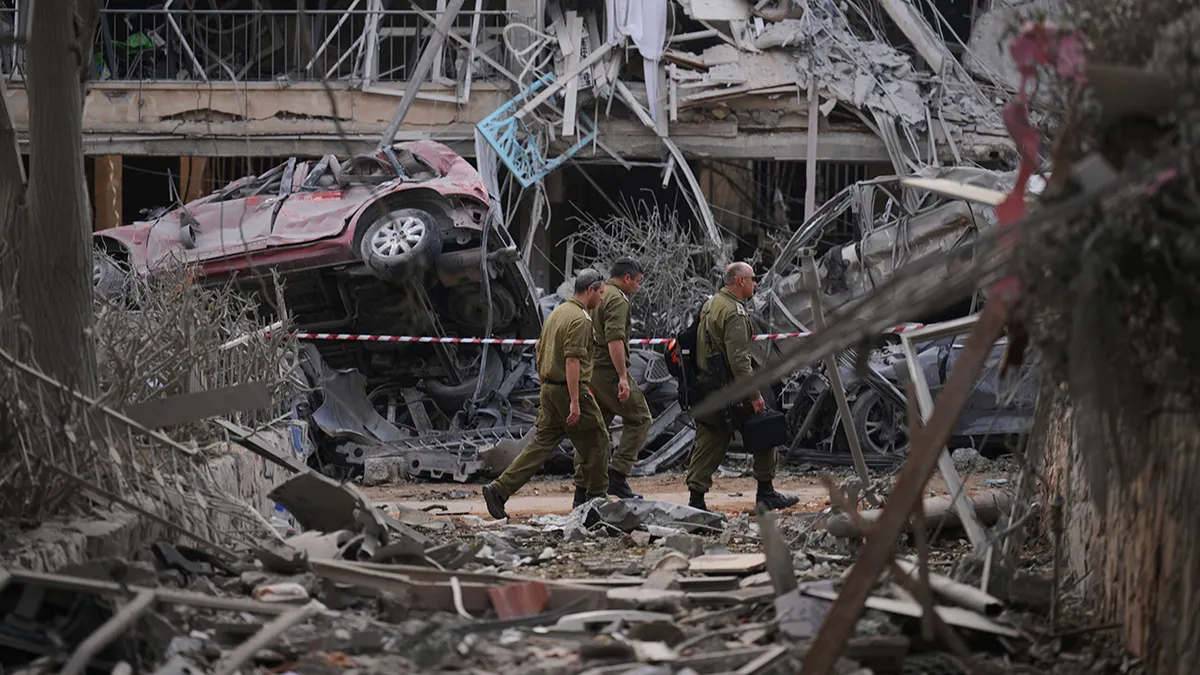
Professor Helen Thompson from Cambridge University warns that energy disruptions caused by the US-Israeli attack on Iran reveal deep vulnerabilities in the global system. These events may lead to radical changes in how energy is secured worldwide.
These warnings come at a time when the world is witnessing increasing tensions in the Middle East, where energy security is one of the vital issues affecting the global economy. The attack launched by the United States and Israel on Iran could exacerbate current crises and increase instability in the global market.
Details of the Event
The recent attack on Iran, which occurred amid ongoing tensions between Tehran and Western countries, has elicited mixed reactions from major powers. This attack has led to a rise in oil and gas prices, negatively impacting a global economy already suffering from the repercussions of the COVID-19 pandemic.
Iran is considered one of the largest oil producers in the world, and any disruption in its production can significantly affect market balance. Additionally, the attacks also target energy infrastructure, increasing risks to global energy supplies.
Background & Context
Historically, the Middle East has always been a center of geopolitical tensions, with major powers playing a pivotal role in determining energy pathways. For decades, Iran has been a focal point due to its vast reserves of oil and gas, making it a target for US and Israeli foreign policies.
In recent years, relations between Iran and the West have deteriorated significantly, especially following the US withdrawal from the nuclear deal in 2018. This withdrawal escalated tensions, making the region more susceptible to conflicts.
Impact & Consequences
The warnings issued by Thompson indicate that the world may be on the brink of a new energy crisis. Disruptions in energy supplies could lead to rising prices, affecting both consumers and businesses alike. Furthermore, these crises may reshape the economic policies of countries and enhance the importance of seeking alternative energy sources.
Moreover, these events could lead to changes in international alliances, as countries strive to secure their energy sources away from potential risks. This could reshape the global energy map and affect relationships between nations.
Regional Significance
For Arab countries, these developments carry both challenges and opportunities. Oil-producing nations in the Gulf, such as Saudi Arabia and the UAE, may benefit from rising oil prices, but they could also face pressures due to increasing tensions in the region.
Additionally, Arab countries that rely on energy imports may be negatively affected, increasing the need to diversify energy sources and explore new alternatives. In this context, there may be opportunities for regional cooperation in the energy sector to ensure market stability.
In conclusion, recent events indicate that global energy security is in a state of instability, requiring countries to take proactive steps to ensure the sustainability of their supplies. The challenges posed by these events could be an opportunity to rethink energy strategies and develop new policies that ensure security and stability in the future.