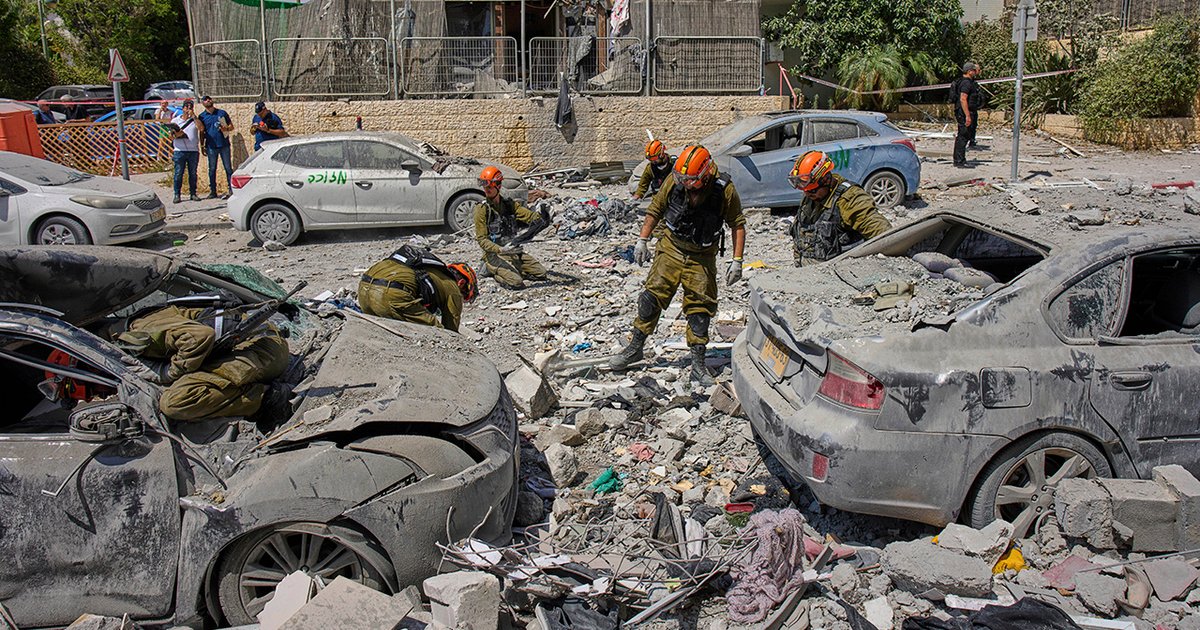
The U.S.-Israeli conflict against Iran has caused significant divisions within the Iranian government, adversely affecting its ability to make crucial decisions and coordinate retaliatory responses, according to U.S. and Western intelligence reports.
Information indicates that this division has complicated the political situation in Tehran, where different factions are vying for influence and power, making it difficult for the government to make unified decisions. Officials have noted that this situation could lead to a weakened Iranian response to external threats, including potential military attacks.
Details of the Situation
Amid escalating tensions between Iran on one side and the United States and Israel on the other, the Iranian government is facing both internal and external challenges. Intelligence reports confirm that divisions within the government may hinder its ability to implement effective strategies to counter threats. Additionally, these divisions could lead to varying responses to attacks, further increasing instability.
Concerns are growing that these divisions could lead to military escalation in the region, as Iran-backed armed groups might exploit this chaos to enhance their influence. At the same time, the United States and Israel are closely monitoring the situation, increasing pressure on the Iranian government.
Background & Context
Historically, Iran has experienced numerous political crises that have led to internal divisions. Since the Islamic Revolution in 1979, there have been ongoing conflicts among various political factions, affecting the country's stability. With rising tensions with the United States and Israel, this division has become more pronounced, as opinions vary on how to deal with external threats.
The U.S.-Israeli war against Iran is part of a broader struggle in the Middle East, where both the United States and Israel seek to limit Iran's influence in the region. This conflict could exacerbate internal conditions in Iran, complicating the political landscape even further.
Impact & Consequences
Reports predict that these divisions will affect Iran's ability to respond effectively to military attacks. If this chaos continues, Iran may find itself in a vulnerable position against external threats, potentially leading to an escalation of conflict in the region.
Moreover, internal divisions could worsen economic and social crises, impacting government stability and increasing public discontent. This situation could pave the way for new popular protests, further complicating the circumstances.
Regional Significance
Developments in Iran have significant implications for the Arab region, as Iran plays a crucial role in supporting armed groups in several Arab countries. Any weakness in the Iranian government could lead to shifts in the balance of power in the region, affecting security and stability in neighboring countries.
Furthermore, the ongoing tensions between Iran and the United States and Israel could escalate conflicts in areas such as Iraq, Syria, and Lebanon, threatening regional security. It is essential for Arab nations to closely monitor these developments, as they could impact their security and political strategies.
In conclusion, these developments highlight the challenges Iran faces amid external and internal pressures, which could affect the stability of the entire region.