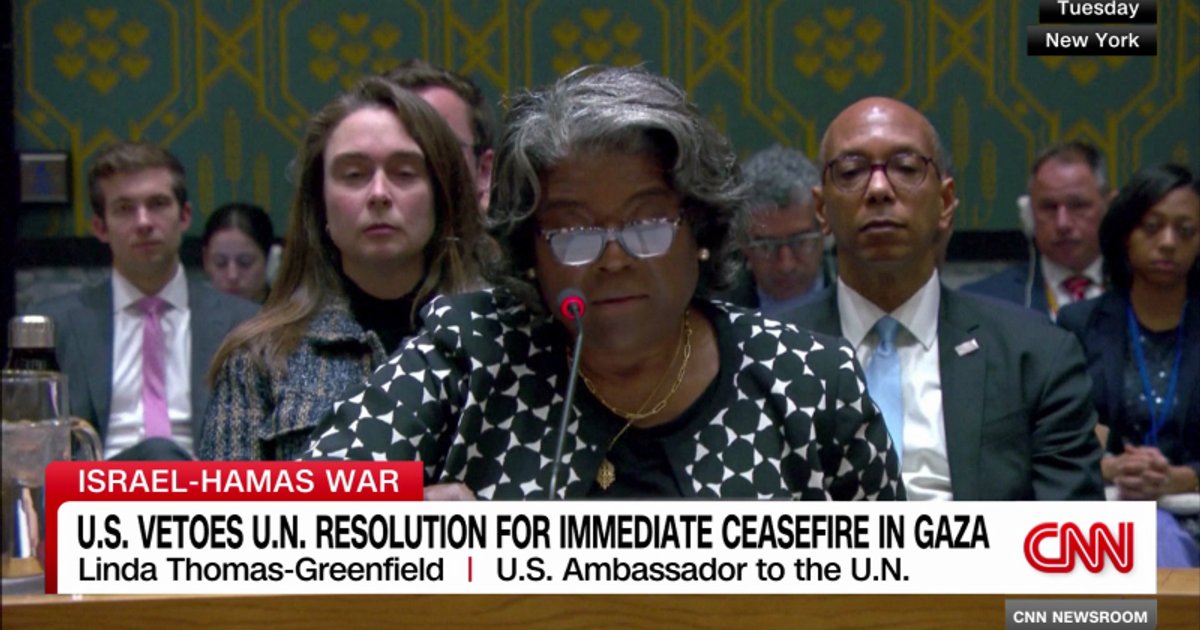
An Israeli official of high rank disclosed that there was prior coordination between the United States and Tel Aviv before reaching the recent ceasefire agreement. This coordination reflects the close ties between the two sides and indicates Washington's pivotal role in regional issues.
These statements come at a sensitive time, as the international community is striving to calm the situation in the region. The latest ceasefire represents an important step towards easing tensions and was reached after intensive consultations between American and Israeli officials.
Details of the Event
According to the Israeli official, the coordination between Washington and Tel Aviv included discussions on strategies to address the current crises in the region. This collaboration underscores the United States' commitment to supporting its ally Israel in facing security challenges.
The ceasefire that was reached aims to halt hostilities and provide a more stable environment for civilians. It was announced following extensive diplomatic efforts by the United States, which played the role of mediator in the talks.
Background & Context
Historically, U.S.-Israeli relations have been strong, with the United States supporting Israel in various international forums. These relations date back decades and have witnessed numerous crises that required Washington's intervention.
In recent years, tensions in the region have escalated due to ongoing conflicts, making the need for coordination between the two countries more urgent. The latest ceasefire comes as part of broader efforts to achieve peace and stability in the Middle East.
Impact & Consequences
U.S.-Israeli coordination could significantly affect regional dynamics. This cooperation is expected to bolster Israel's position in future negotiations and increase pressure on other parties to engage in dialogue.
Moreover, the success of the ceasefire may open the door for further diplomatic initiatives, potentially contributing to long-term stability in the region. However, the greatest challenge remains how to deal with non-state actors that may obstruct peace efforts.
Regional Significance
The ceasefire and U.S.-Israeli coordination may have wide-ranging effects on Arab countries. This collaboration could lead some nations to reassess their positions regarding the Israeli-Palestinian conflict.
Additionally, the success of the ceasefire might encourage certain Arab states to strengthen their relations with Israel, potentially altering the balance of power in the region. At the same time, this could raise concerns among some Palestinian factions that view it as a threat to their interests.
In conclusion, there remains hope that these efforts will contribute to achieving peace and stability in the region, despite the significant challenges ahead.