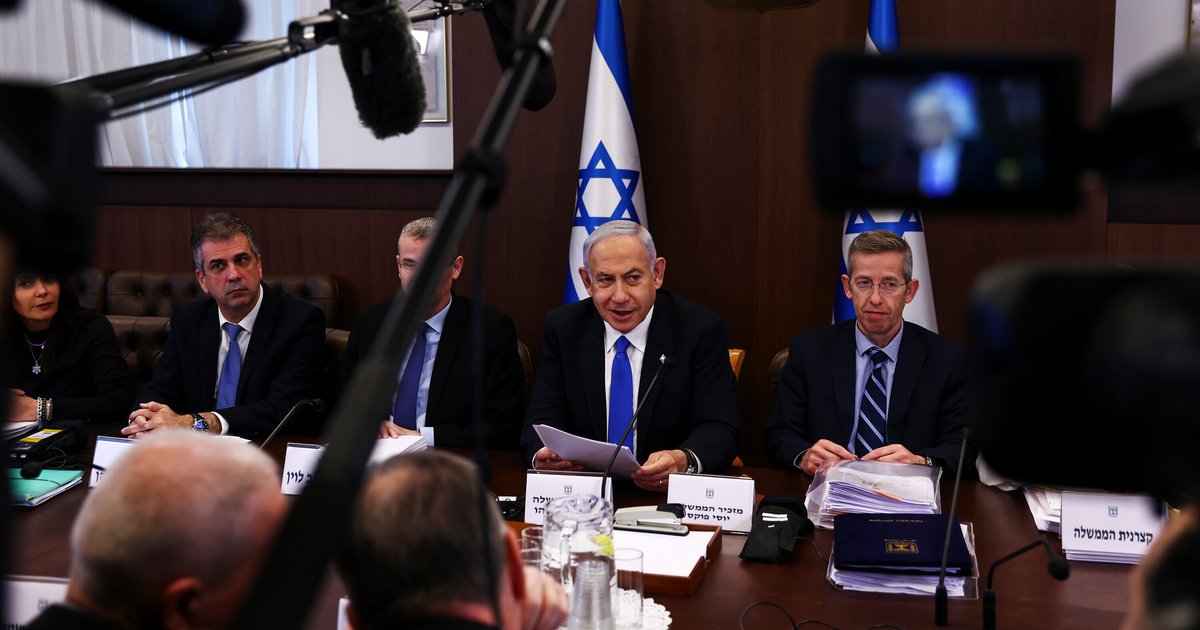
The questions surrounding the effectiveness of diplomacy in the escalating conflict between the United States and Israel regarding Iran are increasing, as it appears that the available tools do not align with the required roles. In an interview with a journalist, an intriguing title was posed: "Diplomacy Without Tools... or Tools Without Diplomacy?" This highlights the importance of role distribution in this context.
The Israeli-American struggle over Iran is one of the most complex issues in international politics, where the interests and goals of both countries intertwine. While the United States seeks to contain Iranian influence in the region, Israel emerges as a key player striving to ensure its national security from potential threats.
Details of the Event
In recent years, the relationship between the United States and Israel has undergone a noticeable transformation, with both countries adopting different strategies towards Iran. The United States, under President Joe Biden, aims to revive the 2015 Iranian nuclear agreement, while Israel rejects this agreement, considering it a direct threat to its security.
These tensions are evident in the exchanged statements between officials, where Israeli Prime Minister Benjamin Netanyahu affirmed that his country would not allow Iran to possess nuclear weapons, reflecting deep concern over the Iranian nuclear program. In contrast, the United States seeks to balance pressure on Iran with diplomacy.
Background & Context
Historically, Iran has always been a major focal point in regional politics, seeking to expand its influence by supporting armed groups in Iraq, Syria, and Lebanon. This influence raises concerns for both the United States and Israel, making it difficult to achieve any diplomatic progress.
Over the years, the United States has employed a range of diplomatic tools and economic sanctions to pressure Iran, but these tools have not yielded the desired results. At the same time, Israel continues to carry out covert military operations against Iranian nuclear facilities, further complicating the landscape.
Impact & Consequences
These dynamics affect regional stability, as any escalation in the conflict could lead to widespread repercussions. The absence of effective diplomacy could result in military escalation, increasing the likelihood of a comprehensive conflict in the region.
Moreover, the failure of diplomacy to address core issues may enhance feelings of frustration among other countries in the region, exacerbating humanitarian and political crises.
Regional Significance
Arab countries are directly affected by this conflict, as any escalation between the United States, Israel, and Iran could destabilize nations like Iraq, Syria, and Lebanon. Additionally, the situation in the Gulf could be significantly impacted, threatening regional security.
Under these circumstances, Arab countries must seek ways to enhance their own diplomacy and work towards achieving a balance in relations with major powers, including the United States and Iran.
In conclusion, the question remains: Can diplomacy play an effective role in resolving the Israeli-American conflict over Iran, or will the available tools be insufficient to achieve peace and stability in the region?