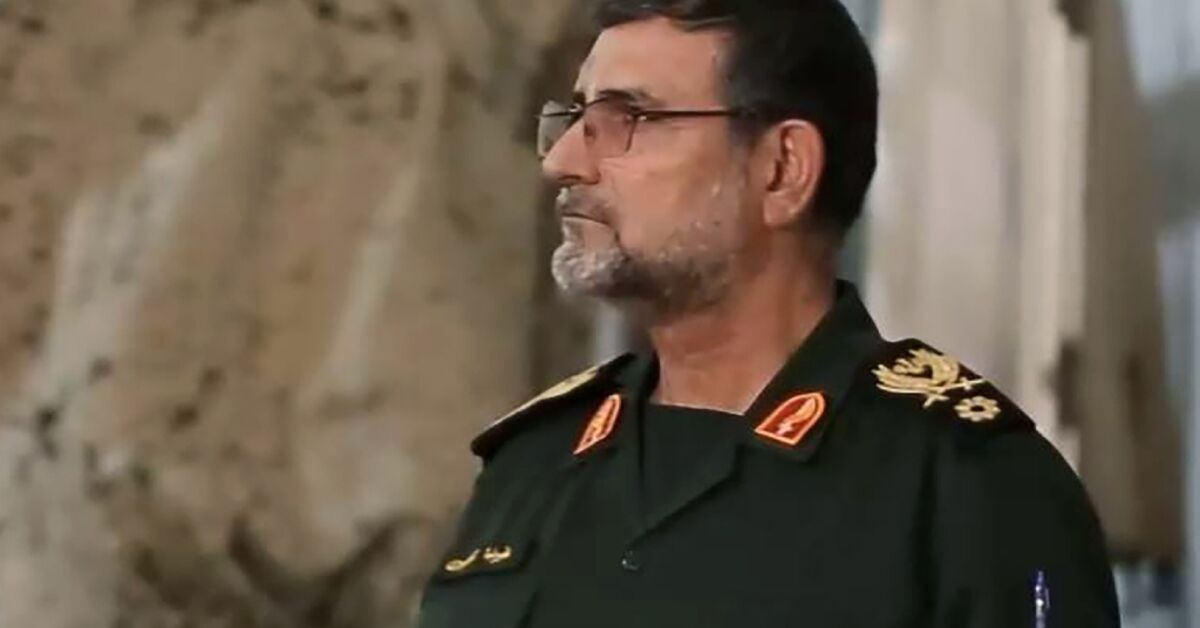
In a significant development, reports suggest that military pressures exerted by the United States and Israel on Iran have led to the deaths of several senior leaders in the Islamic Republic, including Supreme Leader Ali Khamenei. These events come amid escalating tensions in the region since the onset of the conflict between the two sides, with former U.S. President Donald Trump declaring that the military operations have achieved a 'regime change' in Iran.
Despite these substantial losses, the Islamic Republic has demonstrated remarkable resilience, quickly replacing the slain leaders and continuing to confront military pressures from the U.S. and Israel.
Details of the Event
Military pressures on Iran have intensified since the beginning of the conflict, with U.S. and Israeli airstrikes targeting strategic sites within the country. These strikes have resulted in the deaths of several military and political leaders, raising questions about the future of the Iranian regime. While Trump announced a 'regime change,' it appears that the Islamic Republic still retains its capacity to manage its internal affairs.
It is noteworthy that Khamenei has been a pivotal figure in Iranian politics, and his absence could create a significant leadership vacuum. However, the Iranian regime has shown considerable flexibility in facing past crises, making it difficult to predict the country’s future under these circumstances.
Background & Context
Historically, Iran has experienced numerous political and military crises, particularly since the Islamic Revolution in 1979. Iranian-American relations have been strained ever since, with the U.S. imposing economic and military sanctions on Tehran. These pressures aimed to alter Iran's behavior in the region, but the outcomes have often been counterproductive, leading to increased obstinacy from the Iranian regime.
In recent years, tensions have escalated significantly, especially following the U.S. withdrawal from the Iranian nuclear agreement in 2018. This withdrawal led to an escalation of military actions between Iran and both the U.S. and Israel, intensifying the conflict in the region.
Impact & Consequences
Changes in Iranian leadership could lead to radical shifts in Iran's policies regarding regional and international issues. If Iran manages to replace its leaders with new competencies, we may witness a transformation in its military and diplomatic strategies. However, continued military pressures may lead to further escalation of the conflict, threatening the stability of the entire region.
On the other hand, these developments may affect Iran's relations with neighboring countries, particularly Arab nations that are concerned about Iranian influence in the region. Changes in leadership could prompt a reassessment of Arab countries' strategies towards Iran, complicating the political landscape in the Middle East.
Regional Significance
The ongoing events in Iran are of great importance to the Arab region, as any change in Iranian leadership could impact the balance of power in the Middle East. Arab countries, especially those sharing borders with Iran, are closely monitoring these developments, as any escalation in the conflict could have security and economic repercussions.
Moreover, the continued U.S. and Israeli pressures on Iran may drive some Arab nations to strengthen their alliances with the West, potentially leading to shifts in regional alliances. At the same time, Iran may seek to bolster its influence in the region by supporting its allies, further complicating the political landscape.
In conclusion, developments in Iran remain a focal point of interest, as any changes in leadership or policy could directly affect stability and security in the Arab region. The Islamic Republic's ability to adapt to these challenges will determine its future and position within the regional and international system.