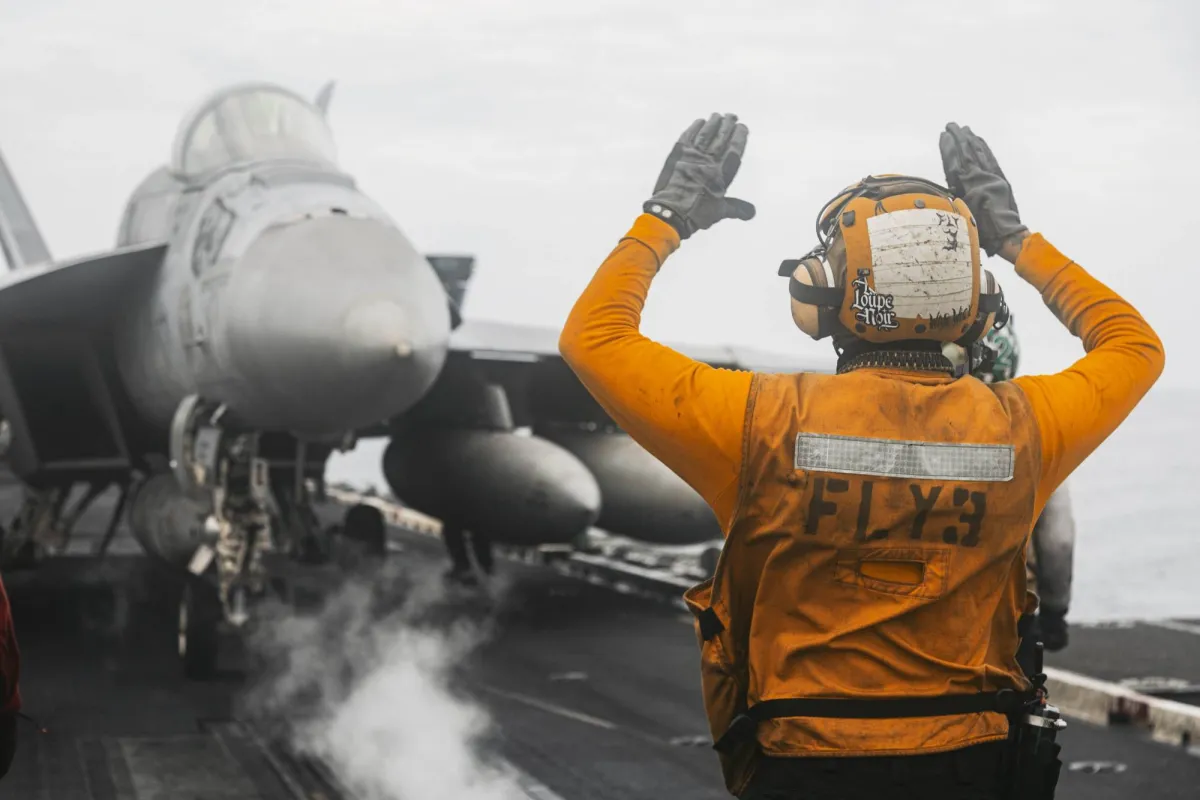
The U.S.-Israeli airstrikes on Iranian territory have led to the deaths of several high-ranking political and military figures, delivering a severe blow to the Iranian leadership at a time when regional tensions are escalating. These strikes, occurring at a sensitive moment, have significantly impacted energy markets and shipping routes, complicating the regional situation further.
Among those killed was Ali Khamenei, the Iranian Supreme Leader, who died at the age of 86 in an airstrike on his compound in Tehran on February 28. Khamenei had ruled Iran with an iron fist since taking office in 1989, consolidating his power through the security apparatus and expanding Iran's influence in the region, despite ongoing tensions over its nuclear program.
Details of the Event
Additionally, the Secretary of the Supreme National Security Council of Iran, a veteran decision-maker, was killed in an airstrike in the Pardis area of Tehran on March 17. Alongside him, his son and one of his deputies were also killed, reflecting the significant impact of these strikes on Iranian leadership.
The Iranian Minister of Intelligence, who held a critical position within the civilian intelligence apparatus, was killed in an Israeli airstrike on March 18. He was known for his close relationship with Khamenei, having received directives from him before taking office in August 2021.
Background & Context
These airstrikes come amid rising tensions between Iran and the United States and its allies, as the region witnesses multiple conflicts. Since the onset of the war on February 28, Israel has targeted numerous Iranian military and industrial facilities, leading to a deterioration of the security and economic situation in the country.
The economic pressures Iran faces due to Western sanctions, coupled with regional tensions, have further complicated the landscape. The recent airstrikes represent a significant shift in the conflict, directly targeting Iranian leadership and reflecting a new strategy in addressing threats.
Impact & Consequences
The repercussions of these strikes could be far-reaching, potentially leading to a new escalation in regional conflict. The loss of these prominent figures may weaken Iran's ability to make strategic decisions in the future.
Moreover, the increasing pressures on Iran might push it towards more extreme measures, raising the risk of military escalation in the region. This situation could affect the stability of global energy markets, as Iran is a key player in this field.
Regional Significance
Considering the potential impact on the Arab region, the rising tensions between Iran and its allies on one side and Israel and the United States on the other may lead to a reshaping of regional alliances. Arab countries may find themselves in a sensitive position, needing to take clear stances amid these developments.
Ultimately, the recent events serve as a reminder that conflicts in the Middle East still require international attention and that situations can change rapidly, necessitating an immediate response from the international community.