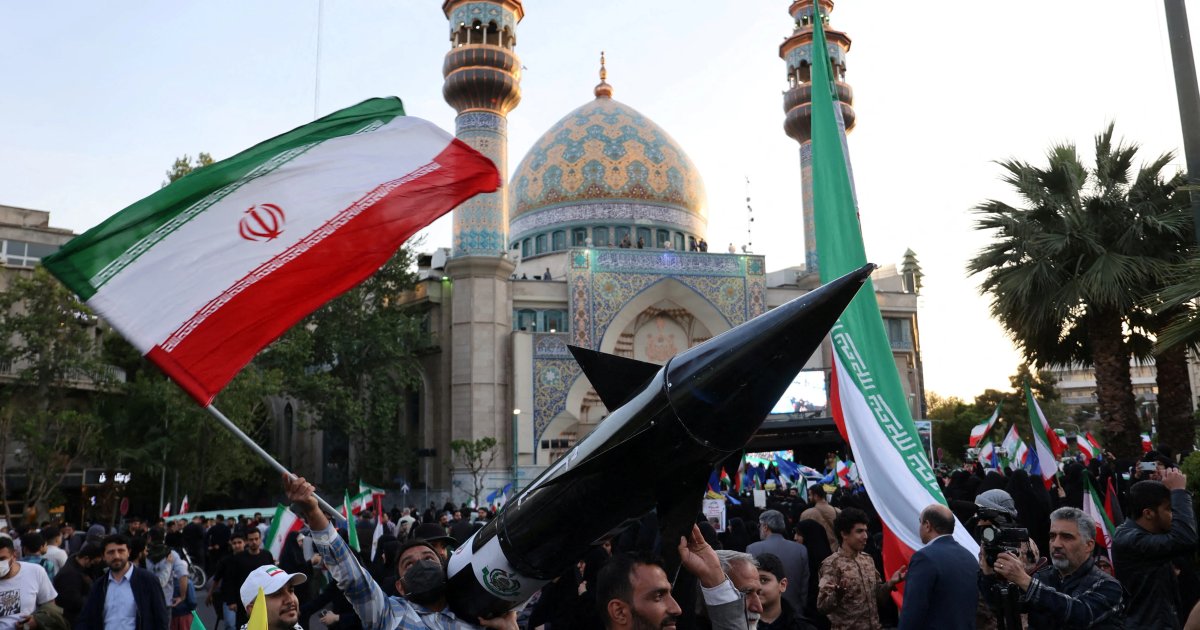
The airstrikes carried out by the United States and Israel on Iranian territory have resulted in the deaths of several prominent figures, including the Supreme Leader. These incidents come at a time when tensions between Iran and Western countries are escalating, complicating the political landscape in the region.
Reports indicate that the strikes targeted sensitive sites in Iran, leading to significant casualties. These events have provoked strong reactions from the Iranian government, which considers these attacks a blatant violation of national sovereignty.
Details of the Incident
In recent days, U.S. and Israeli warplanes have executed a series of airstrikes on military and security sites in Iran. These operations have resulted in the deaths of several military and political leaders, raising widespread concern in international political circles.
Among the casualties, reports confirm the death of the Supreme Leader, who is regarded as one of the most significant figures in the Iranian regime. This development represents a turning point in the ongoing conflict, as the Supreme Leader is seen as a symbol of power and influence in the country.
Background & Context
These strikes coincide with rising tensions between Iran and the United States, with both nations exchanging accusations regarding support for terrorism and destabilization in the region. Additionally, these events occur amid Iran's attempts to bolster its nuclear program, increasing concerns among Western nations.
Relations between Iran and the West have significantly deteriorated since the United States withdrew from the nuclear agreement in 2018, leading to the imposition of severe economic sanctions on Tehran. These economic pressures, coupled with military pressures, could lead to further escalation in the conflict.
Impact & Consequences
These strikes are expected to escalate tensions in the region, as Iran may respond to the attacks with retaliatory operations. The deaths of prominent figures could alter the balance of power within Iran, potentially leading to changes in both domestic and foreign policy.
Moreover, these events may impact relations between Arab countries and Iran, as fears of increased Iranian influence in the region may rise. International reactions could also play a significant role in determining the course of future events.
Regional Significance
These strikes serve as a wake-up call for Arab nations, as they may lead to heightened tensions in the region. Many Arab countries are closely monitoring developments in Iran, as any escalation could affect their stability and security.
Furthermore, these events may reopen discussions about regional alliances, with some Arab nations potentially seeking to strengthen their ties with the United States and Israel in response to increasing Iranian threats.
In conclusion, the U.S. and Israeli strikes on Iran represent a turning point in the ongoing conflict, raising numerous questions about the future of international relations and regional security. The international community must approach these developments with caution, as any escalation could lead to catastrophic outcomes for the entire region.