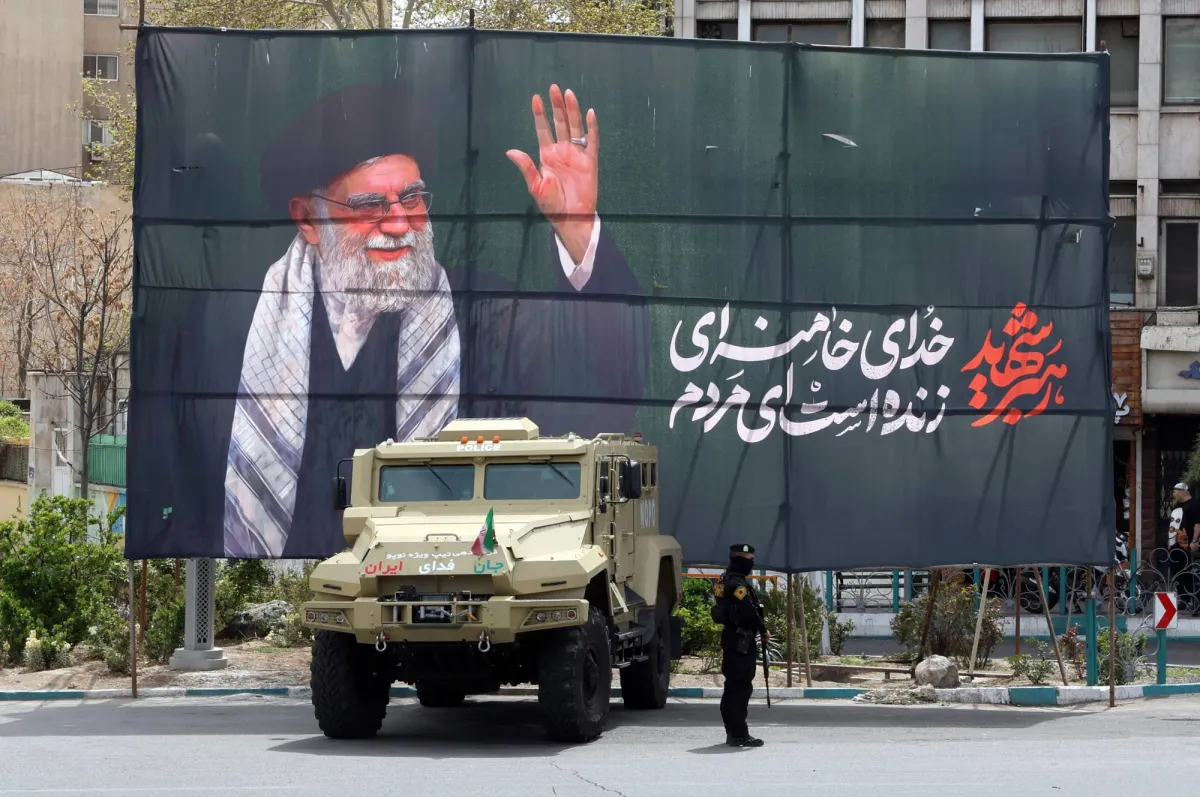
U.S. and Israeli strikes on Iran have resulted in the deaths of several high-ranking military and political leaders, reflecting escalating tensions in the region since the war began on February 28. U.S. President Donald Trump announced a "regime change" in Iran, while Israel confirmed that military operations aim to weaken Iranian military capabilities.
Meanwhile, some prominent Iranian figures, such as the Speaker of the Parliament, Mohammad Baqer Qalibaf, survived the strikes, while Tehran rushed to appoint new leaders to replace those killed.
Details of the Event
Among the leaders killed since the war began was Ali Khamenei, the Supreme Leader of the Islamic Republic of Iran, who was assassinated on the first day of the war, resulting in the deaths of several family members and other officials. He was succeeded by his son Mohammad Mojtaba Khamenei, who survived the attack but has not made any public statements yet.
The commander of the Iranian Revolutionary Guard Navy, Ali Reza Tangsiri, was also killed, whom Israel accused of being responsible for the blockade of the Strait of Hormuz. Tangsiri is considered a prominent figure in the Iranian armed forces and has led the naval forces since 2018.
On March 17, Ali Larijani, one of the most prominent Iranian leaders, was killed in an Israeli strike on Tehran, marking a severe blow to the Iranian leadership. Larijani had participated in a pro-government rally just days before his death.
Additionally, Mohammad Pakpour, the commander of the ground forces of the Revolutionary Guard, was killed on the first day of the attack, and former Defense Minister Ahmad Vahidi was appointed as his successor.
Israeli strikes continued, with Ismail Khatib killed in a raid on Tehran, along with several other military leaders, reflecting a notable escalation in military operations.
Background & Context
The roots of tensions between Iran and the United States date back decades, with relations deteriorating significantly after the Iranian Revolution in 1979. Since then, the U.S. has imposed strict economic sanctions on Iran, exacerbating the country's economic and political conditions.
In recent years, tensions have escalated further, especially after the U.S. withdrawal from the Iranian nuclear deal in 2018. The region has witnessed an escalation in military operations, including attacks on Iranian military facilities, intensifying the conflict.
Impact & Consequences
These assassinations underscore the vulnerability of Iranian leadership in the face of military and political pressures, potentially leading to changes in Iranian military strategy. The loss of military leaders may affect Iran's ability to respond to Israeli and U.S. attacks.
Concerns are growing that these operations could lead to a larger escalation in the conflict, potentially dragging the region into a full-scale war. Many countries have warned that continued escalation could have serious repercussions for regional security.
Regional Significance
The ongoing events in Iran have a direct impact on the security and stability of the Arab region. The conflict between Iran and its allies on one side, and the U.S. and Israel on the other, reflects on the situations in countries like Iraq, Syria, and Lebanon.
Furthermore, escalating tensions could lead to increased sectarian divisions in the region, threatening stability in Arab countries. This situation highlights the urgent need for diplomatic efforts to resolve conflicts and ease tensions.
In conclusion, the situation in Iran remains a focal point for the world, with growing concerns about the implications of the war on regional and international security.