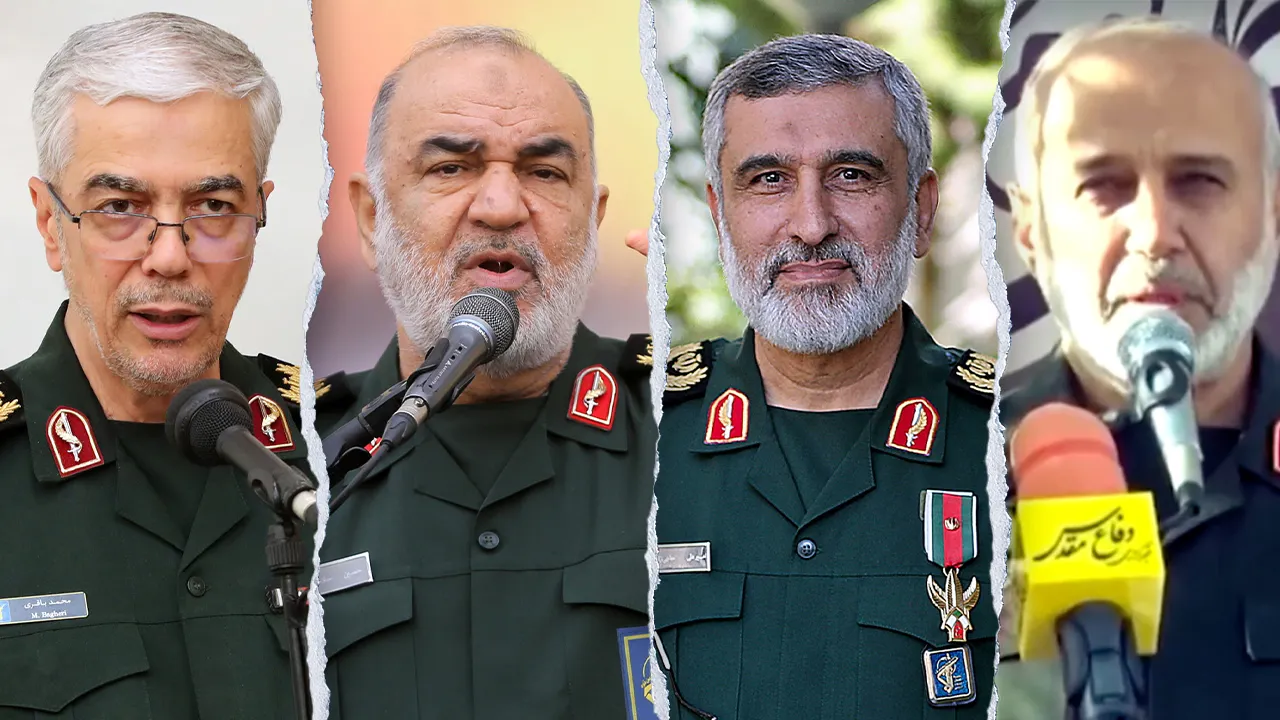
U.S.-Israeli strikes targeting Iran since February 28 have resulted in the deaths of several prominent political and military figures, marking a significant blow to Tehran's authority. These military operations, which come amid escalating tensions between Iran and the West, have led to the loss of key leadership, raising questions about the future of the Iranian regime and its ability to confront internal and external challenges.
The list of individuals killed in these strikes includes high-ranking officials, reflecting the impact of these operations on Iran's leadership structure. These events have elicited mixed reactions within the country, with some viewing them as a sign of the regime's weakness, while others see them as evidence of the need to bolster internal security.
Details of the Event
Since the onset of military operations, reports have documented the deaths of several military and political leaders, leading to a state of concern within Iranian political circles. The strikes, executed in coordination between the United States and Israel, targeted strategic sites, complicating the security situation in the region.
These events come at a sensitive time, as Iran grapples with multiple internal crises, including popular protests and economic pressures. These strains have affected the government's ability to make effective decisions to address security challenges.
Background & Context
Historically, relations between Iran and the United States have escalated significantly since Washington's withdrawal from the nuclear agreement in 2018. Since then, tensions have markedly increased, with the U.S. implementing punitive policies against Iran, exacerbating the country's economic and political crises.
Additionally, Israel, which views Iran as an existential threat, has conducted multiple military operations against Iranian targets in the region, reflecting Tel Aviv's strategy to counter Iran's growing influence in the Middle East. These dynamics make it difficult for Iran to maintain internal stability amid increasing external pressures.
Impact & Consequences
The repercussions of these strikes could be far-reaching, potentially leading to changes in Iranian leadership, opening the door to new internal conflicts. The loss of prominent figures may also affect Tehran's military and political strategies, increasing the likelihood of retaliatory responses.
On the international stage, these events could escalate tensions between Iran and Western nations, complicating diplomatic efforts and raising the possibility of new conflicts in the region. Furthermore, these pressures may impact Iran's relationships with its traditional allies, such as Russia and China.
Regional Significance
The recent events in Iran signal a rise in tensions in the Middle East, which may affect neighboring Arab countries. Increased pressures on Iran could lead to shifts in the balance of power in the region, prompting Arab nations to adopt strategic positions to address these challenges.
Moreover, the situation in Iran could influence regional security, as Iran-backed armed groups may seek to exploit the chaos to enhance their influence in Arab countries, further complicating the security landscape in the region.
In conclusion, the U.S.-Israeli strikes on Iran represent a turning point in the regional conflict, highlighting the need for new strategies to address the security and political challenges facing the region.